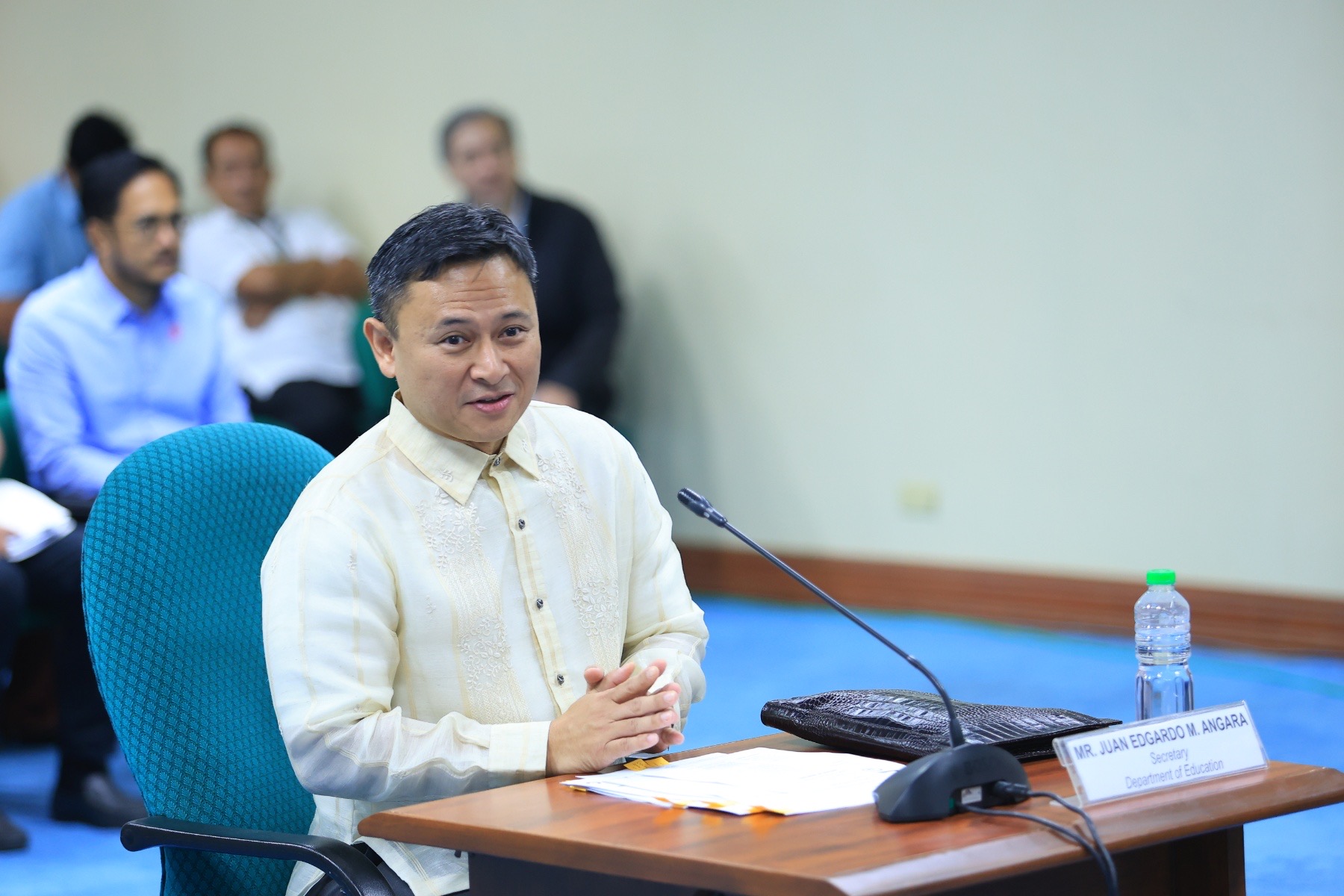
DepEd Partners with 168 LGUs to Strengthen Classroom Project Monitoring
The Department of Education (DepEd) has signed supplemental memoranda of agreement (MOAs) with 168 local government units (LGUs) to bolster its classroom construction program, enhancing project timelines, quality, and transparency.
The Department of Education (DepEd) announced Friday that it has signed supplemental memoranda of agreement (MOAs) with 168 local government units (LGUs) as it steps up its monitoring of the classroom construction program. This collaboration aims to ensure projects adhere to national timelines, digital validation processes, and quality standards. According to DepEd, the partner LGUs include 72 provinces, 73 cities, and 23 municipalities. The department said it has strengthened its monitoring framework to ensure that classroom construction projects implemented by LGUs adhere to national timelines, digital validation processes, and quality standards. Education Secretary Sonny Angara said the agency aims to ensure that new classrooms are built efficiently while meeting government standards. “Ang ating layunin ay hindi lamang basta makapagpatayo ng gusali, kundi masigurong ang bawat pisong ginagastos ay nagiging kalidad at ligtas na silid-aralan para sa ating mga mag-aaral," he said. (Our goal is not simply to construct buildings, but to ensure that every peso spent translates into quality and safe classrooms for our students.) He added that DepEd would continue monitoring the projects to keep them on schedule. “We are working tirelessly to ensure these classrooms are built with efficiency and transparency, as this infrastructure is the bedrock of a quality learning environment. We will continue to hold our partners and our internal systems to the highest level of accountability to ensure these projects remain on track," he said. DepEd said that, of the 149 LGUs currently under monitoring, 130 are in the pre-procurement stage for classroom construction projects in 358 schools. The pre-procurement activities include preparing the Program of Work and Detailed Architectural and Engineering Design, conducting market scoping, and carrying out pre-bidding, bid posting, and bid opening. Meanwhile, three LGUs have reached the procurement award stage, covering classroom projects at 22 school sites. — VBL, GMA News
多角的分析
教室建設は、建設業界における雇用創出と材料調達の需要を直接的に刺激する。LGUとの連携強化は、プロジェクトの遅延リスクを低減し、予算の効率的な執行を促進することで、公共投資の経済的波及効果を最大化する可能性がある。教育インフラへの投資は、将来の労働力の質を高め、長期的な経済成長の基盤を築く。
教育インフラへの投資は、政府の優先課題として安定した需要が見込まれるため、建設・建材関連企業にとって魅力的な投資機会となる。DepEdによる監視強化と透明性の向上は、投資家にとってリスク低減要因となり、プロジェクトの収益性予測をより確実なものにするだろう。特に、地方のインフラ開発に焦点を当てる投資家にとって、LGUとの連携は地域経済への貢献と同時に、安定したリターンをもたらす可能性がある。
教室不足は、フィリピンの多くの地域で学習環境の質を低下させる直接的な要因となっている。今回のLGUとの連携強化と監視体制の拡充は、より多くの子供たちが安全で適切な学習環境で教育を受けられる機会を増やすことに繋がる。これにより、地域社会における教育格差の是正や、将来世代の機会均等に貢献することが期待される。特に、地方や貧困地域では、新しい教室が子供たちの学習意欲や学業成績にポジティブな影響を与える可能性がある。
地方自治体(LGU)がDepEdと協力して教室建設を進めることは、住民にとって、自分たちの地域で子供たちのための教育環境が改善されるという直接的な恩恵をもたらす。これにより、子供たちがより良い教育を受けられるようになり、将来の可能性が広がるという期待感が高まる。また、プロジェクトの透明性が確保されることで、公共資金が効果的に使われているという安心感も得られるだろう。
背景・歴史的文脈
フィリピンでは、人口増加と都市化の進展に伴い、教育インフラ、特に教室の不足が長年の課題となっている。過去の政府は、公立学校の教室不足を解消するため、様々な建設プログラムを実施してきたが、しばしば資金不足、調達プロセスの遅延、地方自治体間の連携不足などが問題視されてきた。今回のDepEdと168のLGUとの連携強化は、これらの課題に対処し、建設プロジェクトの効率性と透明性を高めるための、より体系的なアプローチと言える。これは、教育の質向上を通じて、国の長期的な発展を目指す政府の姿勢を反映している。
原文ソース
GMA News Philippines