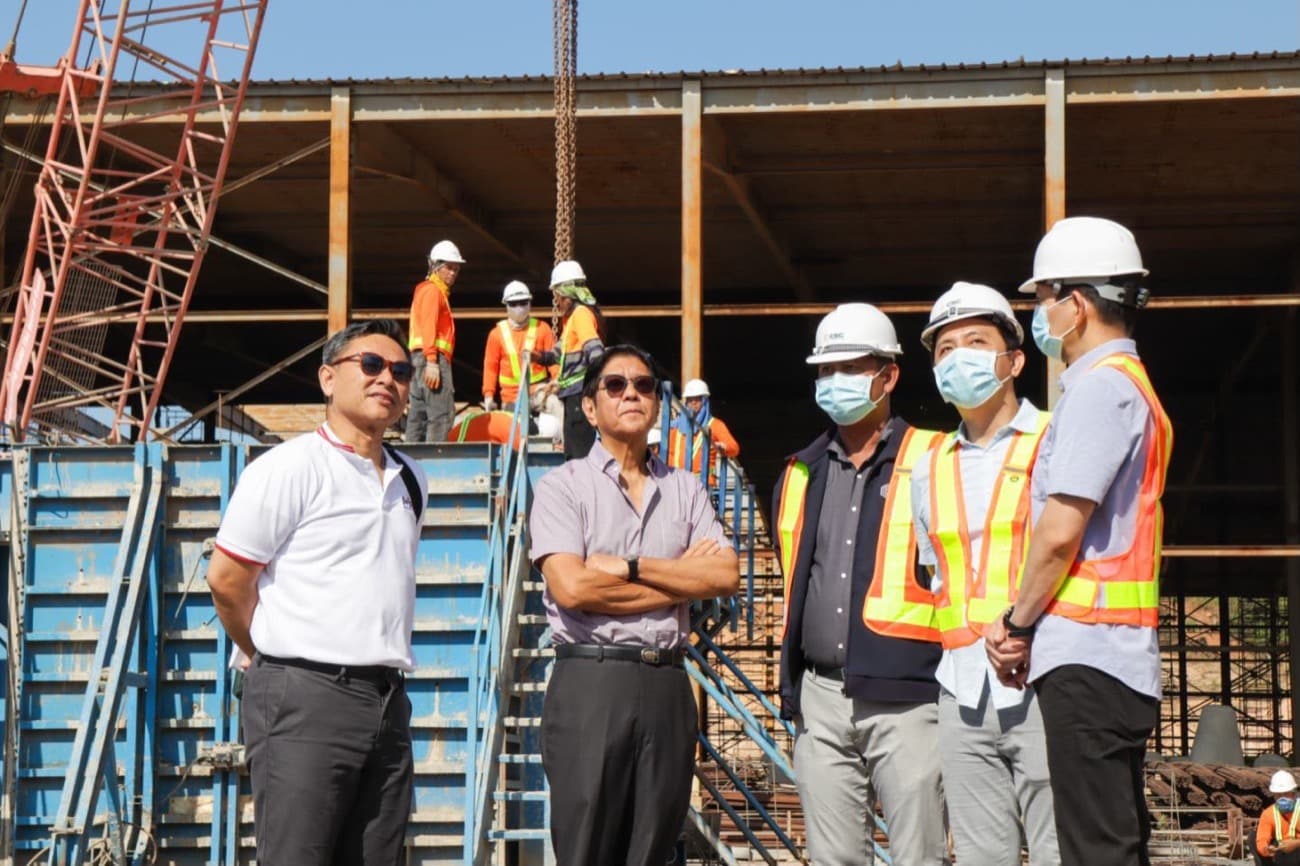
DepEd Bolsters Oversight for 168 Localized Classroom Construction Projects
The Philippines' Department of Education (DepEd) is intensifying oversight for its nationwide localized classroom construction program involving 168 local government units (LGUs), emphasizing transparency and fiscal standards. The move aims to ensure progress and quality control across all projects.
MANILA, Philippines — Building on the Department of Education’s (DepEd) commitment to transparency and rigorous fiscal standards, Education Secretary Sonny Angara has reinforced institutional oversight of the nationwide localized classroom building program. To date, DepEd is actively managing partnerships with 168 local government units (LGUs) that have signed Supplemental Memoranda of Agreement (MOA), encompassing 72 provinces, 73 cities, and 23 municipalities. READ: DepEd speeds up rollout of prefab, disaster-resilient classrooms This intensified monitoring framework ensures that local infrastructure projects align with national timelines, digital validation, and strict quality protocols. Secretary Angara emphasized that while localized construction is a vital step toward meeting classroom demands, DepEd remains committed to upholding national standards to ensure the best possible learning environments. “Ang ating layunin ay hindi lamang basta makapagpatayo ng gusali, kundi masigurong ang bawat pisong ginagastos ay nagiging kalidad at ligtas na silid-aralan para sa ating mga mag-aaral. Sa ilalim ng direktiba ni Pangulong Marcos, patuloy nating pinahihigpitan ang monitoring upang matiyak na bawat proyekto ay sumusunod sa ating mataas na pamantayan,” Angara said. “We are working tirelessly to ensure these classrooms are built with efficiency and transparency, as this infrastructure is the bedrock of a quality learning environment. We will continue to hold our partners and our internal systems to the highest level of accountability to ensure these projects remain on track,” he added. Of the 149 monitored LGUs, 130 are currently conducting pre-procurement activities — including pre-bidding, posting, opening of bids, preparation of the Program of Work (POW) and Detailed Architectural and Engineering Design (DAED), and market scoping — covering the construction requirements for 358 schools. Meanwhile, three LGUs have already advanced to the procurement award stage, covering 22 school sites. DepEd continues to leverage its digital validation and monitoring systems to manage the progress of the remaining LGUs. With these robust oversight mechanisms in place, DepEd remains steadfast in its mission to deliver resilient, inclusive, and accessible learning spaces for all learners. Source: Inquirer NewsInfo
多角的分析
校舎建設プログラムにおけるLGUとの連携強化は、地方経済への直接的な刺激策となり得る。建設資材の調達、建設労働者の雇用、関連産業への波及効果が期待される。しかし、プロジェクトの遅延や不透明な資金管理は、これらの経済効果を相殺するリスクも孕む。DepEdによる監督強化は、資金の効率的な執行と地域経済への持続的な貢献を促すための重要な措置と言える。
教育インフラへの投資は、長期的な人的資本形成に不可欠であり、国の将来的な経済成長ポテンシャルを高める。今回のDepEdによる監督強化は、建設プロジェクトにおける透明性と説明責任の向上を示唆しており、これは投資家にとってポジティブなシグナルとなり得る。しかし、プロジェクトの進捗遅延や品質問題は、潜在的な投資リスクとなりうるため、継続的なモニタリングが重要となる。
教室不足は、フィリピンの多くの地域で学習機会の不均等を招き、教育の質に直接影響を与えている。今回のLGUとの連携による校舎建設は、特に地方や人口密集地域における生徒たちの学習環境改善に貢献する可能性がある。しかし、建設プロセスにおける地域住民の参加や、完成後の校舎の維持管理体制の整備が不十分な場合、期待される効果は限定的になる。例えば、特定の地域では、建設資材の地域調達が地元業者に恩恵をもたらす一方で、一部のLGUでは、過去のインフラプロジェクトで資金の不透明性が問題視された事例もあり、住民の不安材料となりうる。
地方自治体(LGU)が主導する校舎建設プロジェクトの監督強化は、市民、特に子どもを持つ親にとって、教育インフラの質と安全に対する期待を高める。しかし、過去のインフラプロジェクトでしばしば見られた資材調達の遅延や、建設作業の不透明性は、依然として市民の懸念事項となりうる。例えば、マニラ首都圏外の地方都市では、建設資材の輸送コストや、地元建設業者との連携の難しさがプロジェクトの遅延に影響を与える可能性があり、それが子どもたちの学習機会に直接影響することを心配する声がある。
背景・歴史的文脈
フィリピンでは、人口増加とインフラ整備の遅れが長年にわたり、教室不足という深刻な問題を引き起こしてきた。特に地方部では、学校へのアクセスや教育の質に格差が生じている。過去の政府は、インフラプロジェクトにおける汚職や非効率性を指摘されており、教育省(DepEd)は、透明性と説明責任の向上を重要な課題として掲げている。地方自治体(LGU)との協力は、地方の実情に合わせた建設を可能にする一方で、中央政府による一貫した基準と監督の必要性も浮き彫りにしている。
原文ソース
Inquirer NewsInfo