Cambodia Marks 75 Years of UNESCO Membership, Reaffirms Commitment to Cultural Heritage
Culture
2026年7月3日
4
Kampuchea Thmey English

Cambodia Marks 75 Years of UNESCO Membership, Reaffirms Commitment to Cultural Heritage

AI サマリー

Cambodia celebrated its 75th anniversary of UNESCO membership, with Prime Minister Hun Manet praising achievements in preserving and promoting cultural heritage. The country boasts four World Heritage sites and seven intangible heritage elements, strengthening national pride and international cooperation.

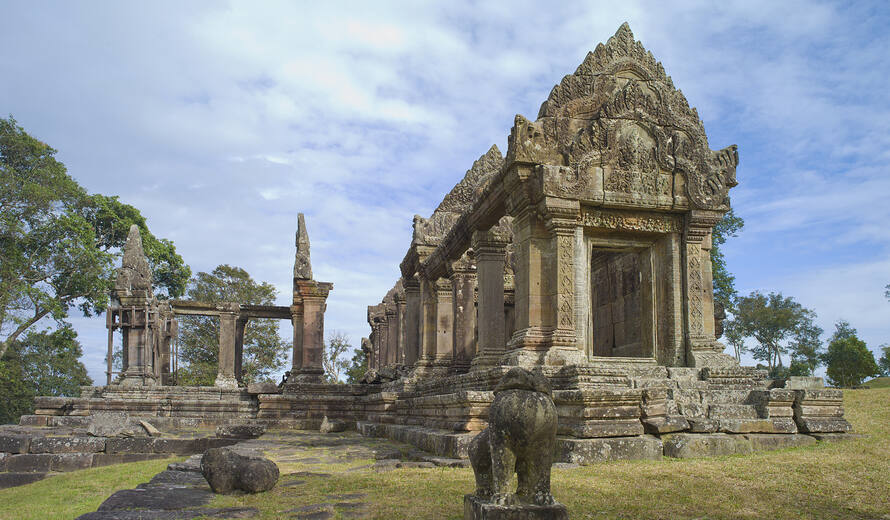
PHNOM PENH, July 3, 2026 (KPT) – Cambodia on Friday marked the 75th anniversary of its membership in the United Nations Educational, Scientific and Cultural Organization (UNESCO), with Prime Minister Hun Manet hailing the country’s achievements in preserving and promoting its cultural heritage. Hun Manet, in a message on social media, recalled that Cambodia joined UNESCO on July 3, 1951, a step that has since secured international recognition for the nation’s cultural and historical treasures. He noted that Cambodia today counts four sites inscribed on UNESCO’s World Heritage List, seven elements on the Intangible Cultural Heritage List, and three documentary collections on the Memory of the World Register. “These inscriptions have helped preserve Cambodia’s cultural identity, safeguard the legacy of the Khmer people and protect the country’s historical memory,” Hun Manet wrote. “The protection of cultural heritage is the duty of all Cambodians.” Cambodia’s World Heritage Sites include Angkor Archaeological Park, the Temple of Preah Vihear, the Temple Zone of Sambor Prei Kuk, and the Koh Ker Archaeological Site. Its intangible heritage recognized by UNESCO ranges from the Royal Ballet of Cambodia and Sbek Thom (Khmer shadow theatre) to tugging rituals and games, Chapei Dang Veng, Lkhon Khol Wat Svay Andet, Kun Lbokator, and the traditional Khmer scarf, Krama. The country’s documentary heritage comprises the Tuol Sleng Genocide Archives, audio recordings of the Reamker by Ta Krut, and the story of Inav Bosiba. Hun Manet said these recognitions not only highlight Cambodia’s cultural richness but also strengthen national pride and international cooperation. He stressed that safeguarding heritage is essential for future generations, ensuring that the Khmer civilization’s contributions to world culture remain visible and valued. Founded in 1945, UNESCO promotes international cooperation in education, science, culture and communication as part of its mission to contribute to peace and security worldwide. Cambodia’s long-standing membership, officials say, reflects the country’s commitment to cultural preservation and its active role in global heritage protection.

多角的分析

経済的影響

ユネスコ加盟75周年という節目は、カンボジアの文化遺産が持つ経済的価値、特に観光産業への貢献を再認識する機会となる。アンコール遺跡群をはじめとする世界遺産は、国際的な観光客を惹きつけ、外貨獲得の重要な源泉となっている。無形文化遺産や記憶遺産も、ユニークな文化体験として観光客にアピールし、地域経済の活性化に寄与する可能性がある。今後、これらの遺産を効果的に活用し、持続可能な観光開発を進めることが、経済成長の新たな推進力となりうる。

投資家心理

文化遺産の保護と促進は、カンボジアへの投資環境において、ソフト面の魅力を高める要因となりうる。特に、文化観光に関連するインフラ投資(ホテル、交通網、観光施設など)や、文化財の修復・保存技術に関する投資機会が生まれる可能性がある。ユネスコとの連携強化は、国際的な信頼性を高め、長期的な視点での投資を呼び込む上で有利に働く。ただし、遺産保護と開発のバランス、および観光客増加に伴う地域社会への影響も考慮する必要がある。

社会的影響

文化遺産の保護は、カンボジア国民のアイデンティティと誇りの源泉である。フン・マネト首相が「全てのカンボジア人の義務」と述べたように、国民一人ひとりが遺産保護に関心を持ち、主体的に取り組むことが重要となる。ユネスコへの登録は、国際社会からの認知と敬意をもたらすが、同時に、観光客の増加による地域社会への影響(生活様式の変化、環境問題など)や、遺産へのアクセス権、利益配分に関する課題も生じうる。これらの課題にどう対応していくかが、社会的な安定と持続可能性にとって鍵となる。

市民の声

ユネスコ加盟75周年というニュースは、カンボジア市民、特に若い世代にとっては、自国の豊かな文化遺産を再認識し、誇りを感じる機会となるだろう。首相が国民に保護への協力を呼びかけたことは、文化遺産が単なる歴史的遺物ではなく、現在を生きる人々の生活や未来にも関わるものであることを示唆している。しかし、都市部と農村部、あるいは観光地周辺とそれ以外の地域では、文化遺産に対する認識や恩恵の受け取り方に違いがある可能性も考えられる。例えば、観光客で賑わうアンコール遺跡周辺の住民は、遺産保護の恩恵を直接受ける一方で、生活環境の変化に直面しているかもしれない。

背景・歴史的文脈

カンボジアがユネスコに加盟したのは1951年であり、これはフランスからの独立(1953年)とほぼ同時期である。当時の指導者たちは、独立国家としてのアイデンティティ確立と国際社会での地位向上を目指し、ユネスコのような国際機関への参加を重視した。特に、クメール・ルージュ政権(1975-1979)による文化遺産の破壊と、その後の復興過程において、ユネスコの支援は不可欠であった。アンコール遺跡群の修復などは、その代表例であり、カンボジアの文化遺産保護への取り組みは、国民のアイデンティティ回復と国際社会との関係再構築という、二重の文脈の中で進められてきた。

原文ソース

Kampuchea Thmey English

原文を読む