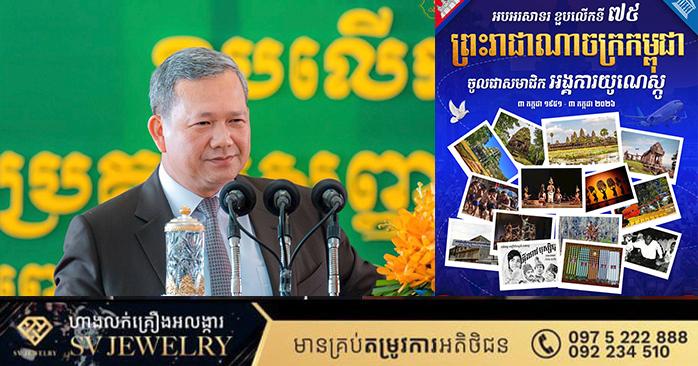
Cambodia Celebrates 75 Years in UNESCO, Pledges Heritage Protection
Culture
2026年7月3日
3
CEN Cambodia

Cambodia Celebrates 75 Years in UNESCO, Pledges Heritage Protection

AI サマリー

Cambodia marks its 75th anniversary of joining UNESCO. Prime Minister Hun Manet lauded the country's heritage registrations and urged all Khmer citizens to uphold the responsibility of cultural preservation.

Cambodia is celebrating the 75th anniversary of its membership in the United Nations Educational, Scientific and Cultural Organization (UNESCO), having joined on July 3, 1951. On this milestone occasion, Prime Minister Hun Manet highlighted the country's achievements in registering numerous cultural heritage sites through UNESCO, emphasizing their significance. According to the Prime Minister, Cambodia has so far registered four tangible heritage sites, seven intangible cultural heritage elements, and three items on the Memory of the World Register. He explained that these registrations are crucial efforts to preserve the original forms of culture and invaluable legacies left by Khmer ancestors, as well as to commemorate Cambodia's history. While not detailing the specific list of registered heritage, the Prime Minister stated, "The protection of cultural heritage is the responsibility of every Khmer citizen." He urged every individual to protect and pass on the nation's rich cultural heritage to future generations. This statement can be seen as a declaration of Cambodia's resolve to establish its identity as a cultural nation on the international stage and convey its value to the next generation. Since joining UNESCO, Cambodia has deepened its international cooperation through activities such as the preservation and restoration of cultural heritage and the implementation of educational programs. UNESCO's support has been indispensable, particularly for the protection of world heritage sites like the Angkor temples. The Prime Minister's remarks this time signify the Cambodian government's continued commitment to these heritages.

多角的分析

経済的影響

ユネスコへの加盟は、カンボジアの文化遺産を国際的な基準で保護・管理することを可能にし、観光収入の増加や文化産業の発展に寄与する。特に、世界遺産に登録された地域は、インフラ整備や観光客誘致の恩恵を受けやすく、地域経済の活性化につながる。しかし、遺産保護には継続的な資金投資が必要であり、その財源確保が経済的な課題となる。また、観光客の増加に伴う環境負荷や地域住民への影響も考慮する必要がある。

投資家心理

文化遺産への投資は、長期的な視点で見れば安定したリターンをもたらす可能性がある。ユネスコ登録物件は、その普遍的価値が国際的に認められているため、観光客の誘致に強く、関連産業(ホテル、レストラン、土産物店など)への波及効果が期待できる。しかし、遺産保護のための規制強化や、自然災害、政治的リスクによる観光客の減少リスクも考慮する必要がある。投資家は、文化遺産保全への政府のコミットメントとその実行力を見極める必要がある。

社会的影響

文化遺産の保護は、カンボジア国民のアイデンティティと誇りの源泉となる。ユネスコへの登録は、国民に自国の歴史と文化への関心を高めさせ、次世代への継承意識を醸成する。一方で、観光開発が進むにつれて、地域住民の生活環境の変化や、伝統的な生活様式との摩擦が生じる可能性も指摘される。例えば、遺跡周辺での商業活動の活発化が、地価の上昇や、本来の静穏な環境の喪失につながるケースが考えられる。これらの社会的な課題に対して、政府は地域住民との対話を通じて、持続可能な開発を目指す必要がある。

市民の声

カンボジア国民にとって、ユネスコに登録された文化遺産は、自国の誇りであり、歴史を繋ぐ大切な財産です。首相の言葉通り、これらの遺産を守ることは、私たち一人ひとりの責任だと感じます。特に、観光客が増えることで、地域経済が活性化し、生活が豊かになることを期待する声もあります。しかし、開発が進む中で、私たちの住む地域が大きく変わってしまうことへの不安や、伝統的な生活が失われてしまうのではないかという懸念も抱いています。政府には、私たち市民の声にも耳を傾け、遺産保護と地域生活のバランスをうまくとってほしいと願っています。

背景・歴史的文脈

カンボジアは1951年7月3日にユネスコに加盟し、以来、自国の豊かな文化遺産を国際社会に紹介し、保護するための活動を続けてきた。特に、1992年にアンコール遺跡群が世界遺産に登録されたことは、カンボジアの文化遺産保護における大きな転換点となった。この登録を契機に、国際社会からの支援が活発化し、保存・修復活動が進展した。フン・マネト首相の今回の発言は、こうしたユネスコとの連携の歴史を踏まえ、国民全体で文化遺産を守る意識を高め、その普遍的価値を次世代に継承していく決意を改めて表明するものである。これは、内戦を経て文化遺産が損なわれた経験を持つカンボジアにとって、国家のアイデンティティ再構築の重要な一環とも言える。

原文ソース

CEN Cambodia

原文を読む