General articles are free for 24 hours after publish.
Vietnam Taps Cultural Heritage for Economic Growth, Soft Power
Vietnam is positioning its rich cultural heritage as a new engine for economic growth and soft power, promoting digitalization and innovation. The country will host Miss Heritage Global 2026, the first in Asia, aiming to boost cultural tourism.
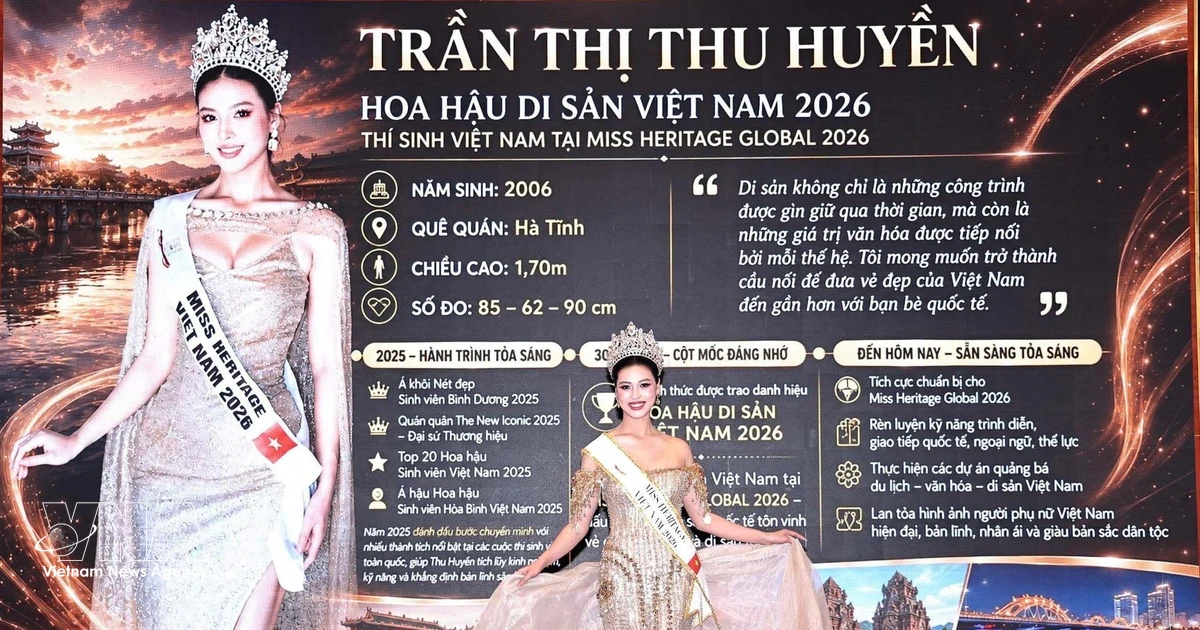
Vietnam is strengthening its strategy to leverage its rich cultural heritage as a new engine for national development and a source of soft power, according to government initiatives and expert analyses. Party General Secretary and President To Lam has stressed the need to address bottlenecks hindering the transformation of culture into an endogenous resource, noting that the appeal and reach of positive cultural values in the digital environment have yet to keep pace with the rapid growth of digital platforms and content. As part of this strategy, Vietnam is set to host Miss Heritage Global 2026, the first time the event will be held in Asia. Scheduled from August 7–13, the competition will feature a series of cultural and tourism activities in Da Nang and Hue, destinations renowned for their UNESCO-recognised heritage systems. This aims to promote Vietnam's rich cultural heritage globally and attract tourists. Experts believe that through coordinated reforms in institutions, technology, human resources, and infrastructure, Vietnam can transform its cultural heritage into a powerful engine for innovation, economic growth, and national soft power in the new era. Digitizing Vietnam’s folk culture, including oral literature, beliefs, customs, festivals, and art passed down through generations, has become an urgent lever for national cultural development. Artificial intelligence (AI) is also expected to play an increasingly important role in strengthening the competitiveness of cultural industries. In the capital Hanoi, a series of initiatives have been launched to realize its vision of becoming a "Civilized – Distinctive – Creative" capital, with culture and innovation serving as key growth engines. Notable among these are the creative infrastructure development program and the 2026 creative space design competition, which encourage architects, designers, and creative communities to revitalize former industrial sites, relocated facilities, traditional craft villages, parks, squares, and other public spaces through innovative yet practical design solutions. The implementation of Resolution No. 06 alongside the cultural diplomacy strategy sends a clear message: by combining its rich cultural heritage with proactive diplomacy, innovation, and digital transformation, Vietnam would strengthen its competitiveness on the global stage. In terms of culinary culture, Vietnamese cuisine has been gaining international recognition, ranking 16th among the world's top 100 cuisines in the latest TasteAtlas rankings and described as "exceptional" by Travel + Leisure. Hue's imperial cuisine, in particular, reflects centuries of royal and cultural traditions with its refined flavors and artistic presentation. Source: VietnamPlus English
Original source
VietnamPlus English