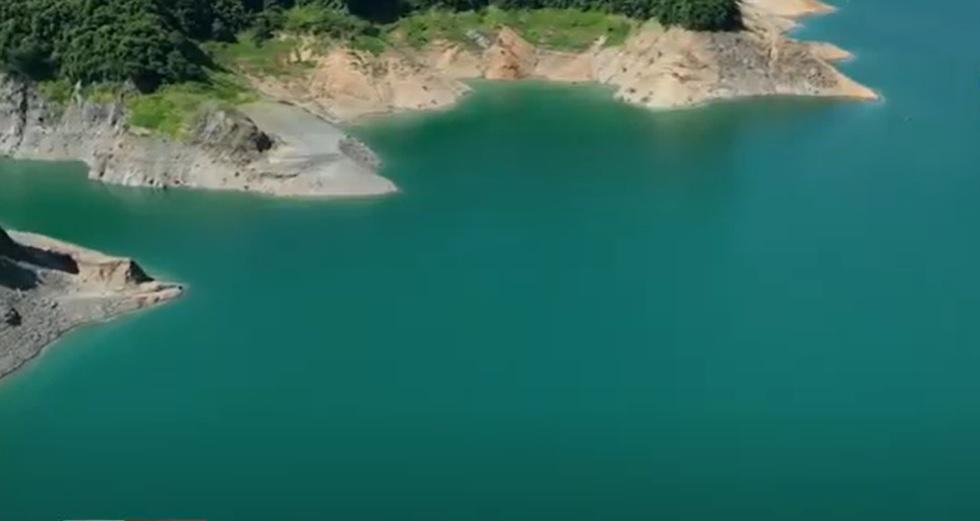
Angat Dam Water Level Drops Below Critical Mark, Raising Concerns for Irrigation and Power Supply
The water level of Angat Dam in the Philippines has fallen below its critical 160-meter mark, raising concerns over its impact on water supply to Metro Manila, irrigation, and power generation. El Niño conditions are also cited as a contributing factor.
The water level of Angat Dam, a crucial water source for the Philippines, has dropped below its critical 160-meter level, according to the Philippine Atmospheric, Geophysical and Astronomical Services Administration (PAGASA). As of 8 a.m. Tuesday, the reservoir's water level was recorded at 159.95 meters. Located in Norzagaray, Bulacan, Angat Dam supplies about 90% of the water for Metro Manila and parts of Rizal and Cavite provinces. The dam's normal high water level is 210 meters above sea level, with a minimum operating level of 180 meters. Once the dam falls below its minimum operating level, water releases for irrigation are reduced or temporarily suspended, potentially causing service interruptions in some areas. Power generation is also halted, reducing reserve capacity in the Luzon grid. Furthermore, if the dam drops below its critical level, irrigation supply may be fully suspended, while water allocations to Manila Water and Maynilad Water Services may be cut, leading to rotational interruptions and water rationing in affected areas. Government agencies have urged the public to conserve water as rainfall remains insufficient to replenish major dams. PAGASA had earlier announced that El Niño conditions are present in the tropical Pacific. According to the state weather bureau, in May 2026, the observed relative sea surface temperature anomaly (rSSTA) reached the +0.5°C threshold, and most climate models suggest there is over an 80% probability that this will develop into a full-blown El Niño event, likely to persist until early 2027. Source: GMA News Philippines
多角的分析
アンガットダムの水位低下は、首都圏の経済活動に直接的な影響を与える。まず、水不足による産業用水の供給制限は、製造業やサービス業の生産性低下を招く可能性がある。次に、電力供給の減少は、企業活動のコスト増加や操業停止のリスクを高める。特に、BPO産業など電力消費の大きい産業は打撃を受けるだろう。さらに、水不足による食料品価格の上昇は、消費者の購買力を低下させ、全体的な経済成長を鈍化させる要因となりうる。
アンガットダムの水位低下は、フィリピンのインフラ関連企業や公益事業への投資リスクを高める。水供給の不安定化は、水道事業者の収益性に直接影響し、電力不足は産業界全体の操業コストを押し上げる。エルニーニョ現象の長期化は、農業セクターへの打撃も予想され、関連企業への投資判断には慎重さが求められる。一方で、水資源管理技術や再生可能エネルギー関連企業への投資機会も生まれる可能性がある。
アンガットダムの水位低下は、首都圏住民の日常生活に深刻な影響を与える。水不足による輪番停水は、家庭での衛生管理や生活必需品の調理などに支障をきたし、特に低所得者層にとっては大きな負担となる。また、食料品価格の上昇は、家計を圧迫し、貧困層の生活をさらに困難にする。エルニーニョ現象による降雨不足は、農村部での農業従事者の生計を脅かし、都市部への人口流出を加速させる可能性も考えられる。
マニラ首都圏の市民は、アンガットダムの水位低下による水不足と、それに伴う輪番停水や水の使用制限に直接直面している。特に、日々の生活に不可欠な水の確保は大きな不安材料であり、節水を心がける一方で、いつ断水が起こるかという不安を抱えている。また、食料品の価格上昇も家計を圧迫しており、生活必需品の購入にも影響が出ている。エルニーニョ現象の長期化は、今後の降雨への期待を薄れさせ、更なる水不足への懸念を深めている。
背景・歴史的文脈
アンガットダムは、1967年に建設され、首都圏の主要な水源として長年機能してきた。しかし、フィリピンの急速な人口増加と都市化に伴い、水需要は増大し続けている。過去にも水不足は発生しており、特にエルニーニョ現象が発生する年には、ダムの水位低下が深刻化する傾向がある。2019年には、エルニーニョの影響でアンガットダムの水位が大幅に低下し、首都圏で大規模な給水制限が行われた事例がある。今回の水位低下は、エルニーニョ現象の発生と、それに伴う降雨不足が直接的な原因と考えられているが、長期的な視点では、水資源の持続可能な管理とインフラの老朽化対策が課題となっている。
原文ソース
GMA News Philippines