Vietnam Fosters Vaccine Manufacturing Localization
Vietnam is promoting technology transfer and human resource development to strengthen domestic vaccine manufacturing capabilities. This is part of a national strategy aimed at healthcare self-sufficiency, improved public healthcare, and international contributions.
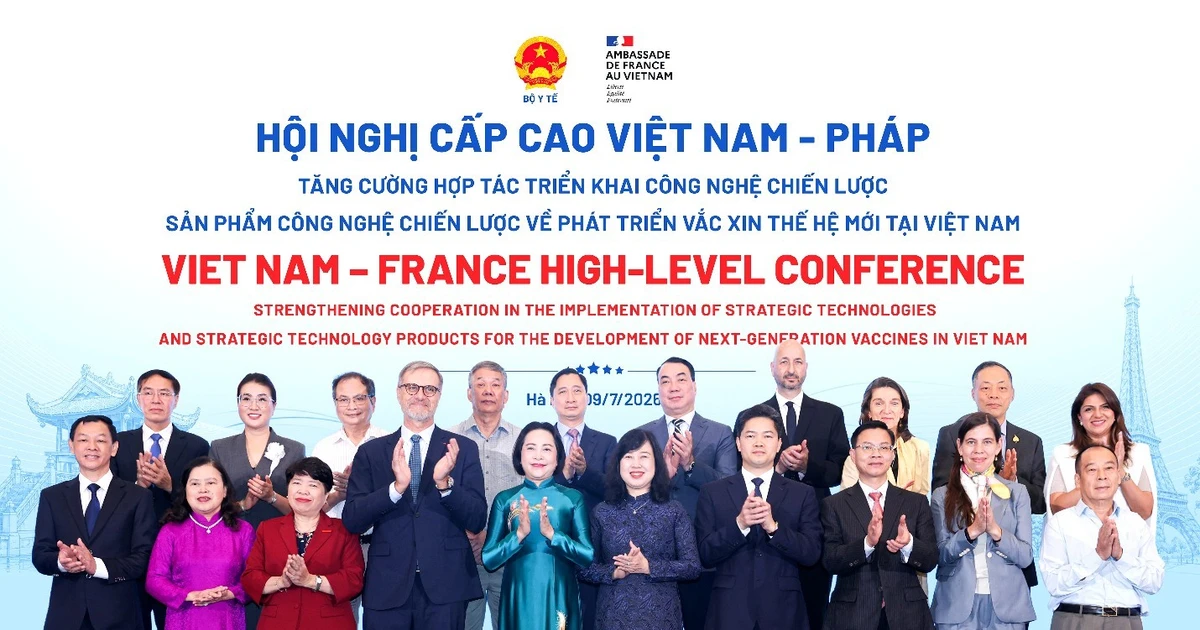
Vietnam is actively promoting the localization of vaccine manufacturing to enhance its domestic production capabilities. This initiative serves a dual purpose: improving healthcare services for its citizens and contributing to the international community. The supply of vaccines to the Philippines demonstrates confidence in Vietnamese-made vaccines. Furthermore, the approval of a vaccine in Indonesia elevates the international recognition of Vietnam's pharmaceutical technology. Domestically, technology transfer agreements, such as the one with Sanofi, are expected to enable the production of several key Sanofi vaccines within Vietnam. This shift aims to move away from import dependency and establish a more rapid and stable supply system. Simultaneously, efforts are underway to strengthen human resource development and quality management, reflecting a long-term vision for healthcare infrastructure enhancement. The Vietnamese Communist Party and government consistently regard people as the "center, driving force, objective, and most important resource" in the nation's development process. They recognize that sustainable and rapid development requires not only a healthy, knowledgeable, and skilled population but also a modern, equitable, efficient, sustainable, and accessible healthcare system. The World Health Organization's (WHO) report that non-communicable diseases (NCDs) account for nearly 80% of deaths in Vietnam underscores the severity of domestic healthcare challenges. Achieving universal health check-ups by 2026 will lay the foundation for a new healthcare model, enabling electronic health records, regular screenings, lifelong health management, and early intervention through primary healthcare services. Moreover, Vietnam is keen on adopting advanced medical technologies. FV Hospital in Ho Chi Minh City's recognition among the "Best Specialized Hospitals in Asia-Pacific" validates the improvements in healthcare services. Medical cooperation with Japan is also progressing, with 108 Military Central Hospital and Toho University Graduate School of Medicine collaborating on faculty and student exchanges, joint research, and academic conferences to share advanced medical knowledge and technologies. The evolving patterns of dengue fever outbreaks and successful organ transplant cases highlight the challenges faced by Vietnam's healthcare sector and its capacity to overcome them with technological advancements and effective responses. These endeavors underscore Vietnam's commitment, within its one-party system, to prioritize public health and welfare, striving for self-sufficiency and advancement in the healthcare sector alongside economic growth. Particularly in the context of complex relations with China, strengthening domestic healthcare infrastructure is considered an indispensable element for national security and the stability of its citizens' lives. Source: VietnamPlus English
多角的分析
ベトナムのワクチン製造現地化は、単に国内需要を満たすだけでなく、医薬品産業の高度化と輸出競争力の強化を目指す経済戦略の一環である。技術移転は、高付加価値産業への転換を加速させ、雇用創ち創出と経済成長に貢献すると考えられる。また、国際的な承認は、ベトナム製医薬品のブランド価値を高め、新たな市場開拓の可能性を広げる。
ワクチン製造の現地化は、製薬・バイオテクノロジー分野への投資機会を創出する。特に、技術移転や合弁事業への参加は、グローバル製薬企業にとってベトナム市場への足がかりとなる。国内生産能力の向上は、サプライチェーンのリスク分散にも繋がり、投資家にとって魅力的な要素となり得る。ただし、規制環境や知的財産権保護の動向には引き続き注視が必要である。
ワクチン製造の現地化は、国民への医療アクセスの向上に直結する。国内生産により、ワクチンの安定供給と価格の抑制が期待され、特に地方や所得の低い層への恩恵が大きい。また、医療分野での技術向上は、国民全体の健康水準の向上に貢献する。医療従事者の育成も進み、地方での専門医療サービスの充実にも繋がる可能性がある。
ベトナム国民にとって、ワクチン製造の現地化は、より身近で手に入りやすい医療サービスへの期待を高める。特に、非感染性疾患への対応や、ユニバーサルヘルスチェックアップの推進は、健康寿命の延伸や生活の質の向上に直接的な影響を与える。日本との医療協力は、高度な医療技術へのアクセスを広げる可能性があり、多くの国民にとって朗報と言える。
背景・歴史的文脈
ベトナムは、1986年のドイモイ(刷新)政策以降、市場経済化を進め、経済成長を遂げてきた。その中で、国民の健康と福祉の向上は、社会安定と経済発展の基盤として重視されてきた。特に、非感染性疾患(NCDs)の増加や、公衆衛生システムの強化は、近年の医療政策の主要な課題となっている。また、国際的な医薬品供給網の脆弱性が露呈したCOVID-19パンデミック以降、各国でワクチン製造の現地化や自給自足への関心が高まっており、ベトナムもこの流れに乗る形で、自国の医療インフラ強化を加速させている。
原文ソース
VietnamPlus English