Liver Fluke Risk in Undercooked Fermented Fish Sparks Mass Infection Scare Among University Students
Health
2026年7月7日
5
Bangkok Post
Relations
🇹🇭Thailand🇰🇭Cambodia🇱🇦Laos

Liver Fluke Risk in Undercooked Fermented Fish Sparks Mass Infection Scare Among University Students

AI サマリー

Thousands of university freshmen in Thailand's northeastern Maha Sarakham province have tested positive for liver fluke infection, a condition linked to the consumption of undercooked fermented fish, known as 'pla ra'. Health authorities are intensifying inspections and promoting safer eating habits.

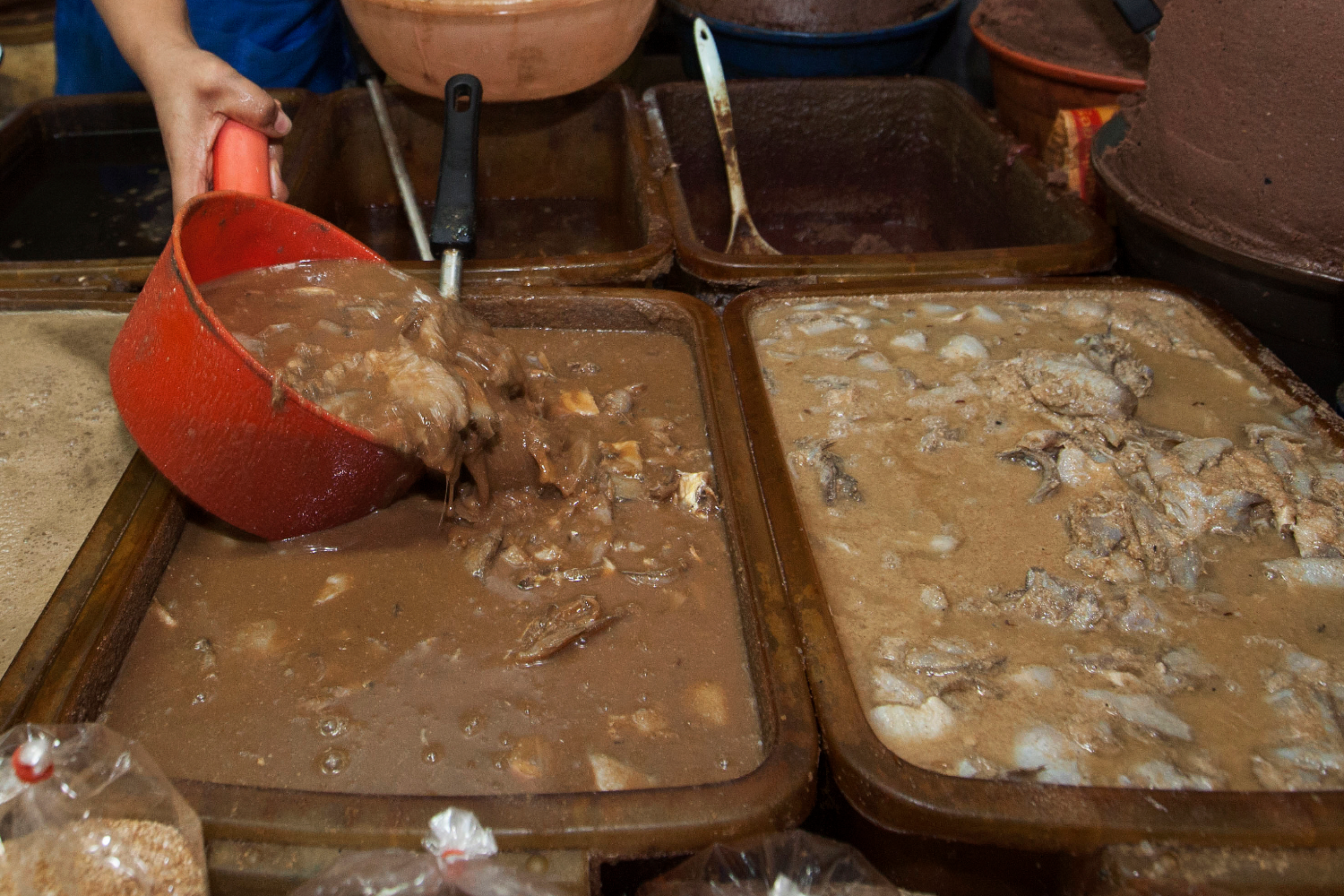
Thousands of university freshmen have tested positive for liver fluke infection in Maha Sarakham province, a development that has alarmed health authorities. The infections are believed to be linked to the consumption of undercooked fermented fish, known locally as 'pla ra', a staple ingredient in many Northeastern Thai dishes. According to announcements made on Tuesday, initial results from urinary antigen test kits (UATs) showed that 4,233 out of 12,733 first-year students at Mahasarakham University, approximately 33%, tested positive. At Rajabhat Maha Sarakham University, 380 of 1,922 students, about 19%, also tested positive. While stool examinations are still required for definitive confirmation of opisthorchiasis, local health officials described the test results as "alarming," noting that the average infection rate among the general population in the province is around 11%. In response to the alarming findings, health inspections have been ordered for all somtam shops and other restaurants that use pla ra, particularly those located near the two universities. Establishments that meet safety standards will be awarded a sign to display for customers, certifying that "This restaurant serves cooked and safe pla ra." Dr Jade Boonyawongvirot, deputy director of Maharat Nakhon Ratchasima Hospital, warned of the potential long-term consequences if eating habits do not change. He cautioned that while not immediately apparent, the infection could lead to bile duct cancer (cholangiocarcinoma) in 15 to 20 years, a disease known for its difficulty in treatment and high mortality rate. The liver fluke is a parasite commonly found in Thailand, especially in the Northeast and Northern regions, as well as in neighboring countries like Laos and Cambodia. The scientifically confirmed source of infection is raw or undercooked freshwater fish, which are used to produce pla ra. However, Dr Jade emphasized that "If pla ra is produced to proper hygienic standards, fermented correctly and boiled before consumption, the risk is very low." The recent cluster of infections underscores the urgent need for stringent hygiene control in the production and preparation of pla ra, and for promoting safer eating habits among consumers.

多角的分析

経済的影響

タイの東北部(イサーン地方)経済において、ソムタムやプラーラーを主とするローカルフード産業は、地域経済の重要な柱の一つである。今回の肝吸虫感染問題は、プラーラーの衛生管理に対する懸念を高め、消費者の購買行動に影響を与える可能性がある。特に、観光客や都市部からの消費者は、衛生面での安全性をより重視する傾向があるため、プラーラーを提供する飲食店への風評被害や、代替食材へのシフトを促す可能性がある。これは、地域経済の活性化にとって潜在的なリスクとなりうる。一方で、安全基準を満たす店舗への「安全認証」は、衛生的な店舗への需要を喚起し、業界全体の衛生意識向上を促すインセンティブとなる可能性もある。

投資家心理

今回の肝吸虫感染問題は、直接的な投資リスクを伴うものではないが、食文化に根差した産業への間接的な影響が懸念される。プラーラー関連食品産業への投資を検討している投資家は、衛生管理体制の強化や、代替タンパク質源の開発といった、リスク軽減策への投資動向を注視する必要がある。また、健康志向の高まりや食の安全に対する意識向上は、加工食品業界全体における衛生基準の向上を促す可能性があり、長期的な視点では、衛生管理に優れた企業への投資妙味が増すことも考えられる。タイの食品輸出産業全体にとっても、国際的な衛生基準への適合は、信頼性維持のために不可欠な要素となる。

社会的影響

マハーサーラカーム大学の学生たちが、地方の食文化に深く根差したプラーラーの生食・加熱不十分な摂取によって肝吸虫に感染した事実は、タイ社会における伝統食と公衆衛生の間の複雑な関係性を浮き彫りにしている。特に、東北部(イサーン)の住民にとってプラーラーは単なる食材ではなく、地域文化やアイデンティティの一部である。しかし、その食習慣が健康リスクと直結することは、地域住民の生活様式への介入と、伝統文化の維持という二律背反の課題を提起する。学生たちの集団感染は、食文化の継承と、現代社会における健康リスク管理のバランスを、社会全体で再考する契機となるだろう。また、安全なプラーラー提供店への認証制度は、消費者の選択肢を明確にし、衛生的な食品提供を促す一方で、基準を満たせない小規模業者の淘汰を招く可能性も指摘されている。

市民の声

マハーサーラカーム大学の学生たちは、普段から親しんできたソムタムやプラーラーが、まさか自分たちの健康を脅かすものになるとは思ってもみなかっただろう。特に、新入生という慣れない環境で、地元の食文化に触れる機会が増えた中で、このような感染が広がるのは精神的なショックも大きい。彼らの不安は、単に肝吸虫の感染というだけでなく、将来的な健康への影響、例えば胆管がんのリスクといった、長期的な健康不安にも繋がる。また、大学周辺のソムタム店で働く人々や、プラーラーを製造・販売する人々も、自分たちの商品が健康被害の原因と見なされることへの懸念や、生活への影響を案じているはずだ。安全なプラーラー提供店への認証は、一部の消費者に安心感を与えるだろうが、食文化そのものへの影響も懸念される。

背景・歴史的文脈

肝吸虫(Opisthorchis viverrini)は、東南アジア、特にタイ、ラオス、カンボジアなどで広く見られる寄生虫であり、生または加熱不十分な淡水魚の摂取によって感染する。タイでは、東北部(イサーン地方)と北部で感染率が高い傾向にある。この寄生虫は、胆管がん(cholangiocarcinoma)の主要な原因の一つとして科学的に確立されており、タイ、特にイサーン地方は、世界でも有数の胆管がん罹患率を誇る地域となっている。プラーラーは、これらの地域で伝統的に作られる発酵魚であり、多くの料理に用いられるが、製造過程や調理法によっては、肝吸虫の幼虫(メタセルカリア)が残留するリスクがある。過去にも、生魚の摂取による肝吸虫感染のリスクは指摘されてきたが、近年、迅速検査キットの開発により、感染の実態がより明らかになってきている。今回のマハーサーラカーム大学での集団感染は、この長年の公衆衛生上の課題が、現代の若者世代において改めて顕在化した事例と言える。

原文ソース

Bangkok Post

原文を読む