Hanoi Pursues Green Tourism for Sustainable Growth
Culture
2026年6月29日
7
Nhan Dan

Hanoi Pursues Green Tourism for Sustainable Growth

AI サマリー

Hanoi is striving to establish green tourism as a new brand by leveraging its rich natural resources and cultural heritage. However, challenges in infrastructure and product integration remain, necessitating efforts towards sustainable development.

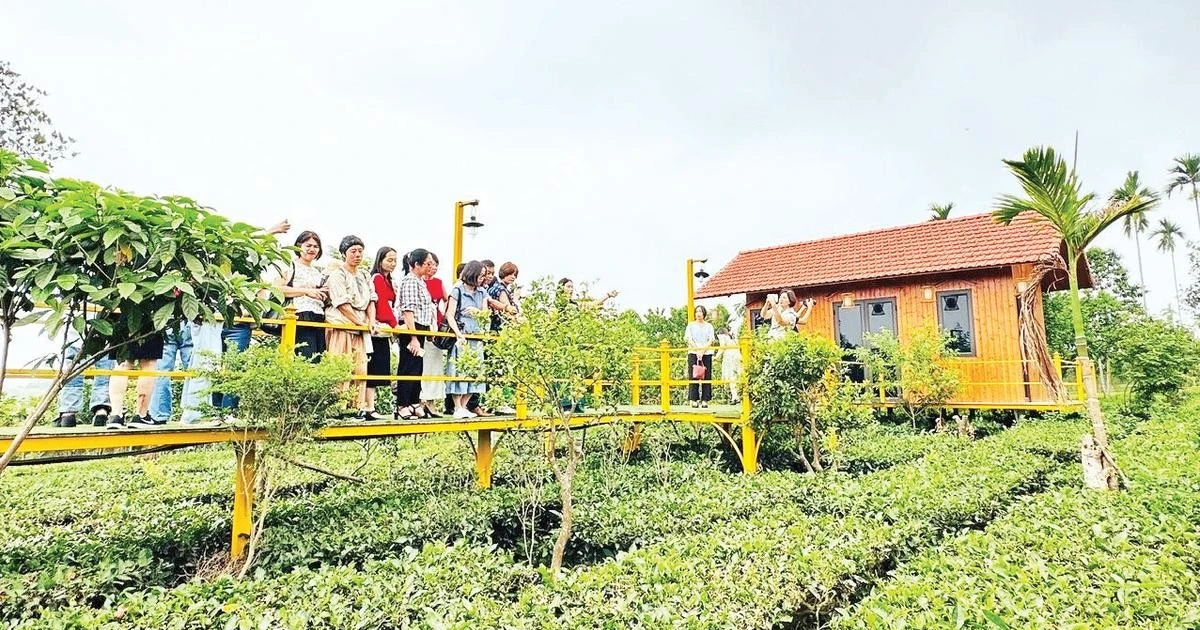
Hanoi is actively promoting green tourism as a strategy for sustainable development, capitalizing on its abundant natural resources and rich cultural heritage. The city boasts significant potential in its mountainous regions to the west and north, such as Ba Vi mountain, and areas like Soc Son and the Vien Nam mountain range. Furthermore, its vast rural landscapes offer unique natural scenery and diverse cultural assets, ideal for developing green tourism, particularly eco-resorts, experiential tourism, and agricultural tourism. Key areas like Suoi Hai commune, centered around Suoi Hai Lake, Ba Vi National Park, and Ao Vua, are being developed as major hubs for ecological tourism, relaxation, and entertainment under the "Clean Agriculture - Green Tourism" model. Nearby, Yen Bai commune features destinations such as Thien Son-Suoi Nga, Khoang Xanh-Suoi Tien, and Tan Da resort, which are popular among both locals and international visitors. Green tourism extends beyond environmentally friendly practices to encompass "green behavior" during tours, including cycling tours and electric scooter tours, and promoting smoke-free environments. Minimizing plastic waste, single-use products, and environmental emissions are crucial elements. International tourists increasingly value these eco-conscious approaches, enhancing competitiveness. However, Hanoi's green tourism sector faces several "bottlenecks." Ms. Le Ngoc Nha Uyen from Nomia Travel points out that eco-friendly cycling tours have not yet attracted a large number of tourists, citing limitations in infrastructure and the lack of integration with other tourism products. Currently, Hanoi's green tourism offerings are fragmented and have not yet formed a strong, attractive brand like heritage or craft village tourism. Dr. Nguyen Anh Tuan, Director of the Institute for Tourism Economics, acknowledges Hanoi's vast potential for green tourism. He notes that developing green tourism is a complex journey involving economic benefits, investment costs, and behavioral changes. Businesses must recognize green investment as a strategy for competitive advantage and implement practical solutions such as energy and water conservation, plastic waste reduction, waste segregation, and developing tourism products linked to local communities, craft villages, and agriculture. These steps align with current conditions and lay the groundwork for future expansion. Experts suggest that integrating green tourism with heritage tourism, especially in rural settings, is crucial for Hanoi's unique development. Even within the city, combining green tourism with urban heritage can create a positive impression of sustainable development for tourists. Mr. Tran Trung Hieu, Deputy Director of the Hanoi Department of Tourism, stated that planning efforts are underway to connect ecologically rich areas like Ba Vi, Huong Son, and Soc Son with heritage sites and green corridors, forming a sustainable tourism network. Regarding environmental issues, the city is promoting green and circular economies within tourism. Accommodation facilities and destinations are encouraged to use renewable energy, conserve resources, and reduce waste, with ongoing improvements to waste collection and treatment systems in tourist areas. These initiatives are expected to gradually resolve current bottlenecks and establish green tourism as a driving force for Hanoi's sustainable development.

多角的分析

経済的影響

ハノイ市のグリーンツーリズム推進は、長期的な経済成長と持続可能性を目指すベトナムの国家戦略と一致する。環境負荷の低減は、資源の枯渇を防ぎ、将来世代への投資となる。また、国際的な環境意識の高まりは、新たな観光客層の誘致に繋がり、外貨獲得の機会を増やす。しかし、初期投資の負担や、既存の観光インフラとの連携不足は、経済的リターンの最大化を阻む要因となる。特に、地方の小規模事業者にとっては、環境基準への適合や持続可能な運営モデルの構築に課題がある。政府による財政支援や技術指導が、経済的側面からのボトルネック解消に不可欠である。

投資家心理

グリーンツーリズムへの投資は、ESG(環境・社会・ガバナンス)投資の潮流に乗る形で、長期的なリターンを期待できる分野である。ハノイ市の自然景観や文化遺産は、ユニークな体験型観光商品の開発ポテンシャルを秘めており、これに投資することで差別化されたブランドを構築できる。しかし、インフラ整備の遅れや、市場の成熟度、そしてグリーンツーリズムの収益性に関する不確実性は、投資リスクとなる。特に、短期的な利益を求める投資家にとっては、回収期間の長期化が懸念される。戦略的なパートナーシップや、政府のインセンティブを活用することで、投資リスクを軽減し、持続可能な成長機会を捉えることが重要である。

社会的影響

ハノイのグリーンツーリズムは、地域住民の生活向上と環境保全の両立を目指す。Suối Hai(スオイハイ) xã(村)のように、農業と観光を組み合わせることで、地域経済の活性化と雇用創ち創出が期待できる。また、観光客が農作業体験や伝統文化に触れる機会は、地域社会のアイデンティティを強化し、文化遺産の継承にも貢献する。一方で、観光開発による環境への負荷増大や、地域住民と観光客との間の文化摩擦が生じる可能性も否定できない。特に、観光客の増加に伴うゴミ問題や、水資源への影響は、地域社会の生活基盤を脅かすリスクとなりうる。住民参加型の観光開発や、環境教育の推進が、社会的な調和を保つ上で不可欠となる。

市民の声

ハノイ市民にとって、グリーンツーリズムの推進は、より身近で質の高いレクリエーション機会の増加を意味する。Ba Vì(バヴィ)山周辺や農村部へのアクセスが改善されれば、週末の小旅行や自然体験が容易になる。しかし、観光地の開発が進むにつれて、地元の静かな生活環境が変化したり、物価が上昇したりする可能性も懸念される。また、観光客のマナー問題や、自然環境の劣化は、市民の日常生活に直接的な影響を与えかねない。市民は、持続可能な観光の恩恵を受けると同時に、環境保護への意識を高め、地域社会との共存を意識する必要がある。

背景・歴史的文脈

ベトナムは、1986年のドイモイ政策以降、市場経済化を進め、経済成長を遂げてきた。特に近年は、製造業と輸出に依存した経済構造から、サービス産業、特に観光業の重要性が増している。グリーンツーリズムは、環境保護と経済成長の両立を目指す世界的な潮流であり、ベトナムもこれに対応しようとしている。ハノイ市は、首都としての役割に加え、豊かな自然と文化遺産を持つ地域として、グリーンツーリズムのポテンシャルが高い。しかし、急速な経済成長に伴う環境問題や、インフラ整備の遅れは、持続可能な発展への課題となっている。

原文ソース

Nhan Dan

原文を読む