General articles are free for 24 hours after publish.
Cambodia Accelerates Skilled Workforce Development in Clean Energy Sector Amidst Market Needs and Technological Innovation
Cambodia's Ministry of Labour and Vocational Training emphasized the importance of skilled workforce development in the clean energy sector, hosting a conference to foster collaboration between government, industry, and training institutions to meet market demands and technological advancements. This marks a crucial step towards achieving the nation's clean energy goals.
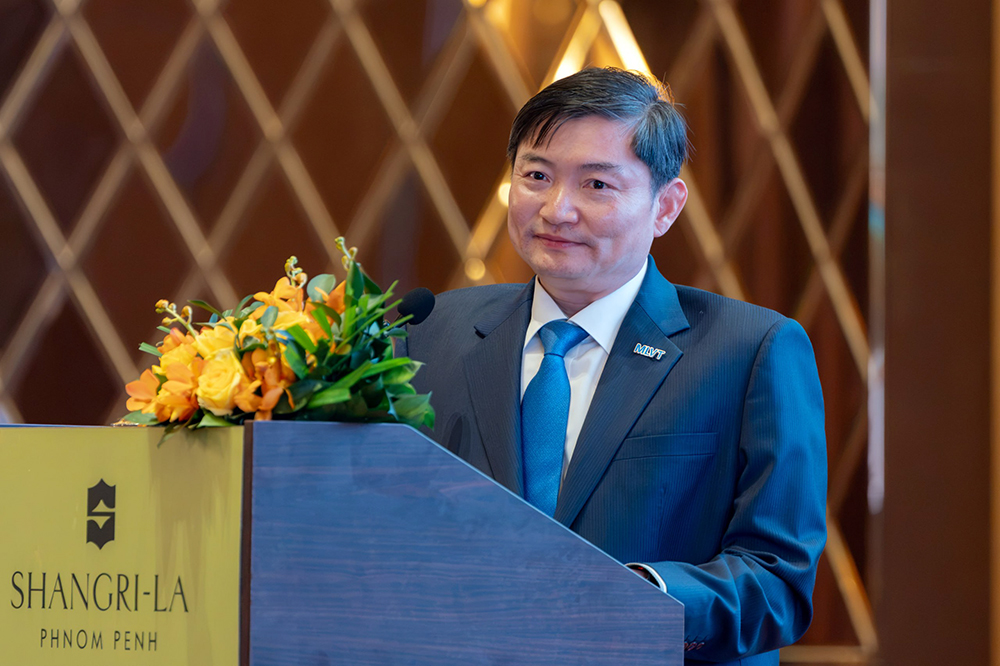
H.E. Heng Sour, Minister of Labour and Vocational Training, presided over the opening ceremony of the "Clean Energy Skilled Workforce Development for a Future-Ready Cambodia" expert conference on the morning of September 16, 2026, at the Shangri-La Hotel Phnom Penh. The conference, attended by representatives from the government, industry, training institutions, and development partners, aimed to discuss labor force needs in solar energy, energy efficiency, and electric vehicles. It also focused on sharing experiences and best practices for reducing the skills gap and enhancing workforce preparedness in line with the evolving demands of the clean energy sector. Addressing the conference, which is part of Clean Energy Week and organized by EnergyLab Asia with support from the Australian Government and the Luxembourg Agency for Development (LED), H.E. Minister Heng Sour stated that Cambodia's transition to clean energy is driving significant changes in technology, skills, and the job market, creating immense opportunities for youth. He emphasized that this crucial forum serves as an additional impetus to accelerate the green energy transition and meet consumer demands, starting now to achieve future goals. To maximize benefits from this transition, Cambodia is striving to develop technicians according to national and international standards, ensuring training institutions can keep pace with technological innovations, and equipping graduates with the qualifications that meet employer needs and provide practical experience. This aims to enhance productivity, energy security, and Cambodia's international competitiveness. H.E. Sour highlighted that achieving green jobs, green products, and green services is not the task of a single institution but requires concerted efforts to boost investment in human capital. Recently, the Ministry modernized the TVET system in the automotive sector through a strategic partnership with the BKI Institute of Australia and other relevant partners to promote the use of green energy. On the same occasion, H.E. Key Sokkim, Executive Director of the Skills Development Fund (SDF), spoke about SDF's crucial role in bridging the skills demand of industries with the supply of training that meets these needs. He also addressed strengthening the capacity of training instructors, enhancing industry ownership, supporting on-the-job training, and certification. Ms. Bridget Collier, Deputy Head of Mission at the Australian Embassy in Cambodia, noted that as Cambodia embraces ambitious clean energy transition goals, it is adopting new technologies like solar energy, energy efficiency, and electric vehicles. However, she stressed that the clean energy transition cannot rely solely on technology but requires a skilled, capable, and knowledgeable workforce. In this regard, Australia continues to support Cambodia through the development of the TVET system and collaboration between the government, private sector, and training institutions to respond to the changing labor market demands. Ms. Saroeun Lekhina, Country Director of the Luxembourg Agency for Development (LED), stated that the conference is not just an event but a starting point for sustainable cooperation. LED will continue to engage in dialogue, coordination, and practical implementation to identify skills gaps, strengthen industry participation, and facilitate access to new job opportunities arising from the clean energy sector. She added that investing in skills is crucial for this transition, demanding close collaboration from all stakeholders. By: Bunrith, Source: Ministry of Labour
Original source
AKP Khmer