General articles are free for 24 hours after publish.
Cambodia's SDF Fund Boosts Clean Energy Skills for Technology Transfer and Green Transition
Cambodia's SDF Fund is prioritizing technology transfer and human resource development in the clean energy sector, promoting public-private vocational training. To date, it has supported over 100,000 trainees, with many businesses reporting increased productivity and profitability.
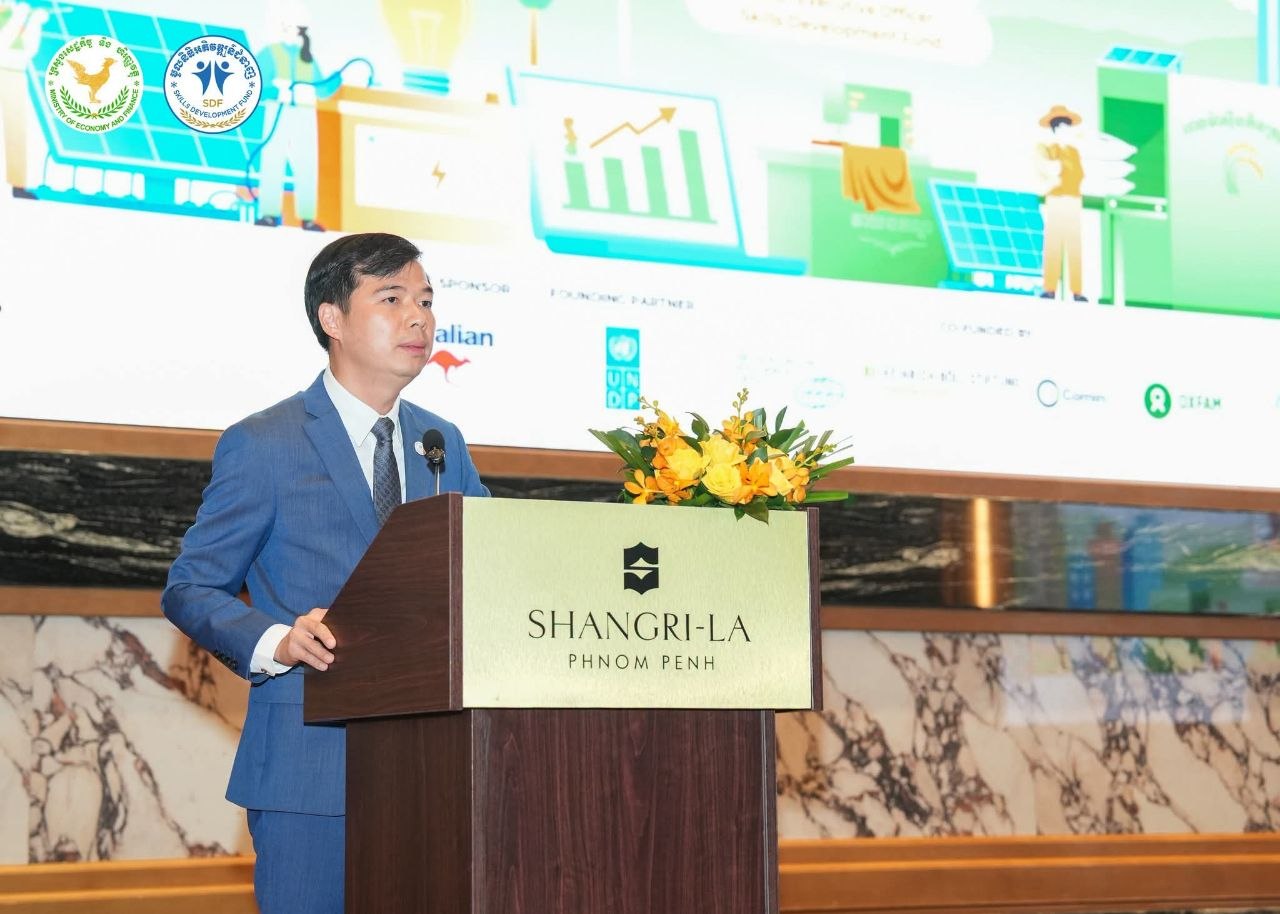
The Skills Development Fund (SDF) in Cambodia is strengthening technology transfer and human resource development in the clean energy sector through public-private collaborative vocational training programs. Mr. Ki Sokkim, Executive Director of SDF, emphasized the importance of this initiative during the "Skills in Clean Energy and Workforce Development for Cambodia's Future" conference, held on September 16, 2026, as part of "Clean Energy Week 2026." Mr. Sokkim highlighted that the transition to clean energy signifies not just a shift in energy sources but also a transformation in the nature of the workforce and businesses. While solar power, battery technology, and electric vehicles (EVs) create new economic opportunities, skilled personnel are crucial to translate these opportunities into productivity, safety, and corporate competitiveness. In response to this transformation, SDF has prioritized the clean energy sector. Its key strategies include ensuring timely and demand-driven skills development, linking employers with capable training institutions, co-financing market-responsive training, and fostering joint planning, investment, and accountability between the industry and training providers. As of September 2026, SDF has supported over 101,500 trainees with a budget of approximately $51 million USD, with 46% of this amount being direct contributions from enterprises and training institutions. Independent evaluations show that 89% of enterprises reported increased productivity, and 83% experienced positive returns on their investment in training. In the EV sector, through collaboration with the International Labour Organization (ILO) and TVET institutes in China, SDF has supported the training of 60 Cambodian master trainers in EV inspection, maintenance, and repair. These trainers are expected to transfer knowledge to at least 1,000 students and workers by 2029, strengthening the national skills system and facilitating Cambodia's clean energy transition. Mr. Sokkim concluded by stating that SDF is committed to developing Cambodia's workforce in tandem with technological advancements, building a clean energy transition where citizens secure better employment and local businesses can sustainably expand their potential.
Original source
AKP Khmer