Vietnam to Provide Free Textbooks to All Students from 2029
Politics
2026年7月4日
4
VnExpress

Vietnam to Provide Free Textbooks to All Students from 2029

AI サマリー

Vietnam's government has decided to provide free textbook loans to all students nationwide starting from the 2029 academic year. This initiative aims to promote educational equity, particularly for students from economically disadvantaged backgrounds, and reduce learning costs. Textbooks will be managed under a 'loan-and-return' system for reuse.

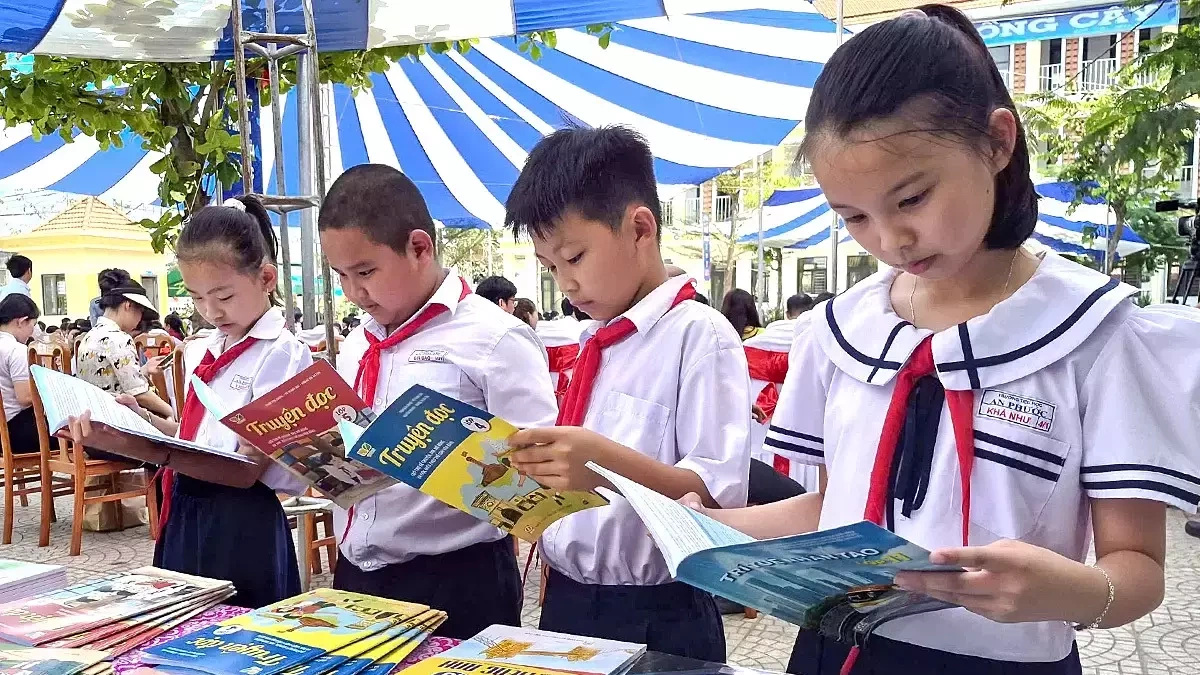
Vietnam's government has decided to provide free textbook loans to all students nationwide starting from the 2029 academic year (2029-2030 school year). This will be implemented through a 'loan-and-return' system designed for the repeated reuse of textbooks. According to the new decree (Decree 271/2026), each student will borrow a complete set of textbooks required for their grade and semester at the beginning of each academic year or semester. After the semester or academic year concludes, students are obligated to return all borrowed books to the school library. Students transferring to a new school must return all textbooks borrowed from their previous institution before moving, and then borrow new ones at the new school to ensure uninterrupted learning. The free textbooks will be the set approved by the Ministry of Education and Training for unified use nationwide. Provisions will also be made for alternative learning materials suitable for students with disabilities, as well as textbooks in minority ethnic languages, according to separate government regulations. This policy will be prioritized for implementation in economically and socially disadvantaged areas, including border regions, islands, ethnic minority areas, and mountainous regions. The government encourages local authorities with budgetary capacity or social support to implement free textbook provisions earlier than the 2029 deadline. The free provision applies to general education programs, continuing education at the secondary level, and literacy programs. The reuse of textbooks aims to reduce environmental impact, prevent waste, and alleviate pressure on the national budget. Schools are required to complete the inventory and ensure sufficient textbooks for new students by June 15th each year, updating the data in their library management systems. Chairpersons of provincial and municipal People's Committees are empowered to facilitate the transfer of textbooks between school libraries within their jurisdiction. However, such transfers will not proceed if the transportation costs exceed the cost of purchasing new books. The state will fund the purchase of textbooks for school libraries, while also encouraging the development of e-textbooks and digital learning materials. This policy to provide free textbooks was established in Resolution 71 of the Politburo on breakthroughs in education and training and was subsequently approved by the National Assembly. The resolution also mandates the use of a single national textbook set from the 2026-2027 academic year, replacing the current system of multiple sets. This initiative is expected to create a more equitable educational environment, especially for students in rural areas and those from economically disadvantaged families. Hoa Vang district in Da Nang city has already invested VND 1.5 billion (approximately USD 60,000) to purchase 74,000 sets of textbooks, enabling free loans to students from the 2026-2027 academic year. Source: VnExpress

多角的分析

経済的影響

教科書無償化は、長期的に見れば教育への投資として、将来の人的資本の質向上に寄与する可能性がある。これにより、教育格差が是正され、より多くの若者が高度なスキルを習得する機会を得ることで、ベトナム経済の持続的な成長を支える労働力となることが期待される。しかし、短期的には教科書購入・管理・再配布にかかるコストが財政を圧迫する可能性も否定できない。特に、教材の劣化や紛失による追加コストが発生するリスクも考慮する必要がある。政府は、電子教科書やデジタル教材の普及を奨励しており、これらがコスト削減と教育の質の向上にどの程度貢献するかが注目される。

投資家心理

教科書無償化政策は、直接的な投資機会を創出するものではないが、間接的に教育関連産業やデジタル教材開発企業への投資を促進する可能性がある。また、長期的な視点では、教育格差の是正による人的資本の向上は、ベトナム経済全体の競争力強化に繋がり、外国からの直接投資(FDI)を呼び込む魅力的な環境を醸成すると考えられる。ただし、教科書配布・管理システムの非効率性や、デジタル化への移行の遅れは、教育の質に影響を与え、潜在的な投資リスクとなる可能性もある。

社会的影響

この政策は、教育機会の均等という点で社会的に大きな意義を持つ。特に経済的に困難な家庭の子供たちが、教科書代を理由に学習機会を奪われることがなくなる。これにより、地方や貧困地域の子どもたちが都市部の子どもたちと同等の教育を受けられる可能性が高まる。しかし、教科書の管理・返却システムが円滑に機能しない場合、生徒や保護者に新たな負担が生じる可能性もある。また、少数民族地域など、インフラが未整備な地域での円滑な教科書配布が課題となるだろう。

市民の声

教科書無償化は、特に地方や低所得層の家庭にとって、学用品にかかる家計の負担を大きく軽減する朗報となる。これまで、教科書代は子供の教育費の中でも無視できない割合を占めていたため、この政策は多くの親にとって安心材料となるだろう。しかし、教科書が「借り物」となることで、子供たちが教材を丁寧に扱うようになるか、また、学校側が教材の管理や配布に手間取らないかといった懸念も存在する。特に、教材の劣化や紛失があった場合の対応についても、明確なルールが求められる。

背景・歴史的文脈

ベトナムでは、教育の機会均等と国民の識字率向上は、建国以来、政府の重要な政策課題であった。特に、1986年のドイモイ(刷新)政策以降の経済発展に伴い、教育への投資は人的資本形成の鍵と位置づけられてきた。しかし、教科書は依然として多くの家庭にとって経済的負担となっており、特に貧困層や地方の子供たちの学習機会に格差を生じさせる要因となっていた。2018年、国会は教育費負担軽減策の一環として、教科書無償化の方向性を議論し、今回の政令に至った。これは、教育へのアクセスをより公平にし、国の将来を担う若者の育成を強化するための、政府の長期的な戦略の一環である。

原文ソース

VnExpress

原文を読む