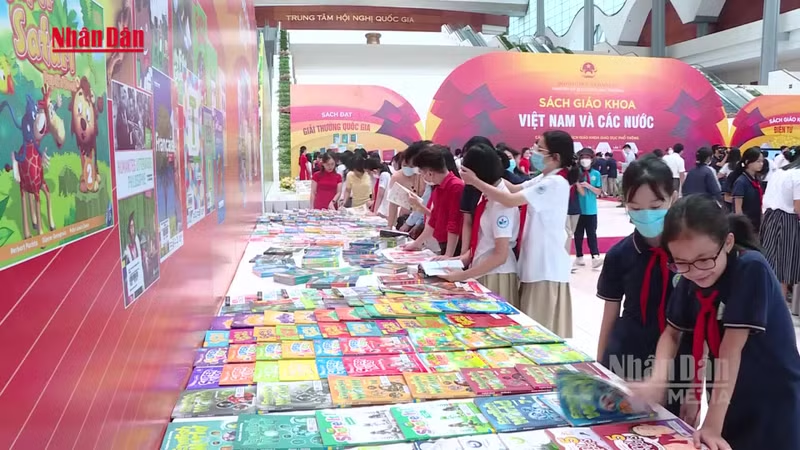
Vietnam to Provide Free Textbooks to All Students from 2029-2030 School Year
The Vietnamese government has decided to provide free textbooks to all students nationwide starting from the 2029-2030 school year. This initiative aims to equalize educational opportunities and alleviate financial burdens on families. Tuition fees for national defense and security courses in higher education will also be waived concurrently.
The Vietnamese government has decided to provide free textbooks to all students nationwide starting from the 2029-2030 school year, aiming to equalize educational opportunities and reduce the financial burden on families. This decision was promulgated via Government Decree No. 271/2026/NĐ-CP. The decree not only mandates the free provision of textbooks for primary and secondary education but also includes the exemption of tuition and course material fees for national defense and security subjects at universities and vocational education institutions. This initiative is part of the Communist Party of Vietnam's long-term goal of "developing high-quality human resources" and intends to broaden access to education for a wider segment of the population. In recent years, Vietnam has seen an increasing investment in education alongside its rapid economic growth. However, the cost of textbooks and tuition remains a significant challenge, particularly for students in rural areas and from low-income families. The free textbook policy is expected to contribute to rectifying these disparities. Other reported news includes the announcement of minimum admission scores for various universities for the 2026 academic year, the commencement of online university application submissions, a high number of perfect scores in mathematics for the high school graduation exam in Hanoi, and the scheduled date for the release of these exam results. These developments indicate the rising enthusiasm for education in Vietnam and the intensifying competition for higher education. Under Vietnam's one-party system, educational policies are closely linked to the nation's long-term development strategies. The free textbook provision is likely implemented from the perspective of uplifting society as a whole and strengthening the foundation for future economic growth. Furthermore, in its relations with China, strengthening the domestic social infrastructure could contribute to enhancing Vietnam's regional presence.
多角的分析
教科書無償化は、教育へのアクセスを均等化し、長期的な人的資本形成を促進する点で、ベトナム経済の持続的成長に貢献すると考えられる。特に、低所得家庭の教育費負担軽減は、消費支出の増加や、より多くの若者が高等教育に進学する機会を創出し、将来的な労働力質の向上につながる可能性がある。これは、ベトナムが製造業中心から高付加価値産業へと移行する上での重要な投資と位置づけられる。
教科書無償化自体は、直接的な投資機会を創出するものではないが、教育水準の向上は長期的に見て、より高度なスキルを持つ労働力の供給を保証することになる。これは、ベトナムに進出する製造業やテクノロジー企業にとって、人材獲得競争の緩和や生産性向上につながるポジティブな要因となり得る。投資家は、教育関連サービス(eラーニング、教材開発など)への間接的な投資機会を検討する余地がある。
教科書無償化は、教育格差の是正に大きく寄与する。これまで経済的な理由で学習機会を制限されていた子供たちが、より平等に教育を受けられるようになる。特に、農村部や貧困層の家庭にとっては、教科書購入費の負担がなくなることで、子供の進学を諦めずに済む可能性が高まる。これは、社会全体の教育水準の底上げと、将来的な社会的不平等の緩和につながる。ハノイ市で数学の満点者が多数出たというニュースは、教育への関心の高まりと、優秀な人材育成への意欲を示している。
全国の学生が教科書を無償で入手できるようになることは、多くの家庭、特に経済的に余裕のない家庭にとって朗報である。教科書代は子供一人あたり年間数ドルから数十ドルに達し、多子家庭では大きな負担となる。これにより、子供たちの学習意欲を削がれることなく、より多くの知識を吸収できる環境が整う。また、高等教育における軍事・安全保障関連科目の授業料免除は、経済的な理由で進学を断念していた若者にとって、新たな選択肢となるだろう。
背景・歴史的文脈
ベトナムの教育政策は、国家の発展戦略と密接に連動してきた。特に、1986年のドイモイ(刷新)政策以降、経済成長と並行して教育への投資が重視されるようになった。しかし、依然として教育資源へのアクセスには格差が存在し、特に地方部や貧困層の子供たちは経済的な理由で学習機会を制限されることがあった。今回の教科書無償化は、こうした教育格差を是正し、国民全体の知識レベル向上を目指す、ドイモイ政策以来の社会基盤強化策の一環と位置づけられる。2026年の大学入試関連のニュースは、教育熱の高まりと高等教育への進学競争の激化を示唆しており、政策の背景にある社会的な要請を反映している。
原文ソース
Nhan Dan