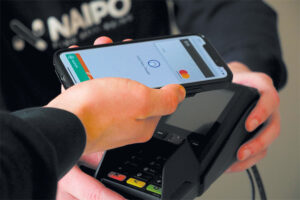
Palace Pushes for More Banks to Cut Transfer Fees
The Philippine government is urging more banks to reduce or waive fund transfer fees to lower the cost of digital financial transactions. Following the central bank's new pricing rules, some financial institutions have already cut fees, and the Palace expects further compliance.
The Palace is pushing for more banks to reduce or waive fund transfer fees, supporting efforts to make digital financial transactions cheaper for consumers as more financial institutions move to comply with new pricing rules issued by the central bank. At a Palace briefing on Monday, Palace Press Officer Clarissa A. Castro said the government supports the direction taken by some private banks in lowering transfer charges, saying it is in line with President Ferdinand R. Marcos, Jr.’s goal of making financial services more affordable. "LANDBANK (Land Bank of the Philippines) took the lead by reducing transfer fees and eliminating convenience fees for certain person-to-government transactions," she told a news briefing in Filipino. "Because LANDBANK started this, BPI (Bank of the Philippine Islands) and RCBC (Rizal Commercial Banking Corp.) also followed," Ms. Castro said. The BPI permanently removed charges for InstaPay and PESONet person-to-person transfers beginning July 1, while RCBC started offering free InstaPay transfers under selected conditions beginning July 4. LANDBANK on Monday announced waiver of InstaPay and PESONet transfer fees, starting July 7, following its move to reduce InstaPay fee to P8 from P15 last May 21. It earlier offered one free InstaPay transfer daily for transactions worth P1,000 or less and removed convenience fees for selected person-to-government transactions. The Palace said it hopes more banks will adopt similar measures to help lower the cost of digital transactions for Filipinos. The Bangko Sentral ng Pilipinas (BSP) also expects more financial institutions to reduce or remove transfer fees following the implementation of new pricing rules on July 4. BSP Governor Eli M. Remolona, Jr. earlier said more banks are expected to waive interbank transfer fees after BSP Circular No. 1238 Series of 2026 took effect. The regulation requires fees for person-to-person transfers between banks and other payment service providers to reflect only the actual “switch cost,” or the amount charged by payment network operators to process transactions. The BSP estimates the switch cost at about P1.50 per transaction. Under the circular, institutions that already offer free transfers within their own network may charge no more than that amount for transfers to other banks or payment providers. GCash also lowered its InstaPay charge to P10 from P15 on July 4, while Maya said it would also reduce its InstaPay fee to P10 beginning July 6 while keeping PESONet transfers free. — Erika Mae P. Sinaking
多角的分析
フィリピンにおけるデジタル金融取引の普及は、経済の効率化と金融包摂の拡大に不可欠である。送金手数料の引き下げは、特に低所得者層や海外で働くフィリピン人労働者(OFW)にとって、実質的な可処分所得の増加につながり、国内消費の活性化を促進する可能性がある。中央銀行(BSP)が定める「スイッチコスト」のみを反映させる新規則は、市場の透明性を高め、過剰な手数料徴収を防ぐことで、消費者保護と健全な競争環境の醸成を目指すものと考えられる。これは、フィンテック分野の成長を後押しし、より広範な金融サービスへのアクセスを可能にするための重要な一歩である。
送金手数料の引き下げは、フィリピンの金融機関、特にデジタル決済サービスを提供する企業にとって、収益構造の変化を意味する。短期的には、手数料収入の減少は利益率に影響を与える可能性がある。しかし、長期的には、取引量の増加や顧客基盤の拡大を通じて、新たな収益源(例:付加価値サービス、データ分析に基づくターゲティング広告など)を創出する機会ともなり得る。投資家は、各銀行のデジタル戦略、顧客獲得能力、およびコスト削減努力を注視する必要がある。特に、BPIやRCBCのような先行組がどのように収益性を維持・拡大していくかが注目点となる。BSPの規制は、フィンテック企業を含む決済サービスプロバイダー全体に影響を及ぼすため、業界全体の競争力とイノベーションの動向を注視することが重要である。
送金手数料の引き下げは、フィリピン国内の家族間送金や、海外で働くフィリピン人労働者(OFW)が母国へ送金する際の負担を軽減し、家計に直接的な恩恵をもたらす。これは、経済的困難を抱える多くの家庭にとって、生活水準の維持・向上に寄与する重要な支援となり得る。また、デジタル決済の利用促進は、地方部や金融サービスへのアクセスが限られていた人々にとって、より容易に金融サービスを利用できる機会を増やす。これにより、金融包摂が進み、社会全体の経済的自立を支援する効果が期待される。一方で、デジタルデバイドの解消や、サイバーセキュリティ対策の強化といった課題も同時に浮上してくるだろう。
フィリピン国民、特に頻繁に送金を行う人々にとって、送金手数料の引き下げは家計の負担軽減に直結する朗報である。例えば、マニラ首都圏で働く地方出身者が実家に仕送りをする際や、海外で働くフィリピン人労働者(OFW)が家族に送金する際に、これまでかかっていた手数料が削減されることで、より多くの資金を家族のために使うことができるようになる。これは、生活必需品の購入や子供の学費、医療費などに充てられ、生活の質向上に貢献する。デジタル決済の普及は、銀行口座を持たない人々にとっても、スマートフォンを通じて手軽に送金できる機会を増やすため、金融サービスへのアクセスが格段に向上すると期待されている。
背景・歴史的文脈
フィリピンでは、デジタル金融取引の普及は近年急速に進んでいる。特に新型コロナウイルスのパンデミック以降、非接触型の決済手段への需要が高まり、政府も金融包摂の推進を重要な政策課題として掲げている。中央銀行(BSP)は、2023年にもデジタル銀行のライセンス発行を開始するなど、フィンテック分野の育成に力を入れてきた。今回の送金手数料引き下げ要請は、こうした背景のもと、国民の利便性向上と経済活性化を目指す一連の取り組みの一環と位置づけられる。LANDBANKのような国営銀行が先行することで、民間銀行への波及効果を狙う政府の戦略が見て取れる。
原文ソース
BusinessWorld Nation