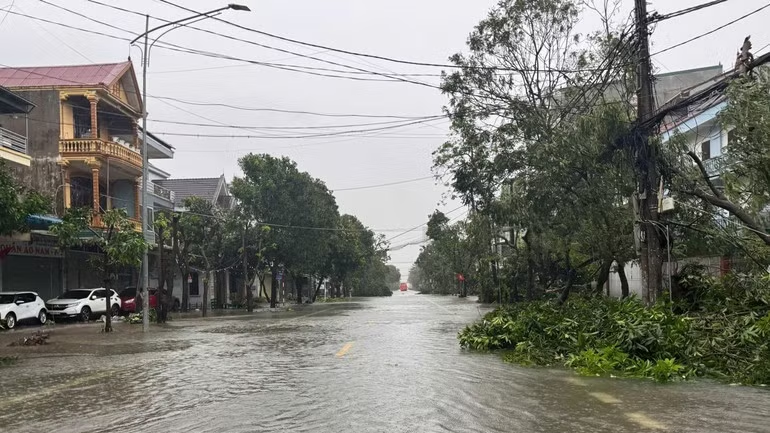
Vietnam Braces for Heavy Rainfall Post-Typhoon, Warning of Landslides and Flooding
Environment
2026年7月6日
3
Nhan Dan

Vietnam Braces for Heavy Rainfall Post-Typhoon, Warning of Landslides and Flooding

AI サマリー

Vietnam's northern regions are facing widespread heavy rainfall after Typhoon No. 1, with warnings issued for landslides and flooding. Northwestern areas are particularly at risk of torrential downpours, with advisories for tornadoes, lightning, and strong winds.

In Vietnam's northern regions, widespread rain and thunderstorms are forecast to continue even after Typhoon No. 1 has passed. Hanoi and many northern provinces are expected to experience localized heavy to very heavy rainfall, with the northwestern areas being particularly at risk. Residents are urged to be cautious of lightning, tornadoes, and strong winds. Prior to this, moderate to heavy rainfall was observed in northern provinces on July 5. On July 4, Typhoon No. 1 made landfall in the Gulf of Tonkin, causing heavy rains in the Northeast. The typhoon later weakened into a tropical depression. Following Typhoon No. 1, urgent efforts are underway in Quang Ninh province to quickly restore damages. Power supply to over 800 customers in Son La province was also temporarily interrupted. While Vietnam continues its economic growth, it faces risks from natural disasters exacerbated by climate change. The government, under its single-party system, is focusing on infrastructure development and disaster prevention measures, though responding to widespread disasters remains a constant challenge. Furthermore, in its relations with neighboring China, issues such as shared water resources and cross-border environmental problems could become factors in future cooperation or tension.

多角的分析

経済的影響

台風通過後の豪雨は、農業、特に米作に打撃を与える可能性がある。ベトナムは主要な米輸出国であり、生産量の減少は国内価格の上昇や輸出への影響をもたらしうる。また、インフラへの被害は復旧コストを増加させ、経済成長の足かせとなる。政府は経済成長と防災対策のバランスをいかに取るかが問われる。

投資家心理

自然災害のリスクは、ベトナムへの投資、特に農業関連やインフラ関連プロジェクトのリスク要因となる。保険コストの上昇や、サプライチェーンの寸断リスクは、投資判断に影響を与える。しかし、復旧・復興需要は新たな投資機会を生む可能性もある。

社会的影響

土砂災害や洪水のリスクは、特に山間部や低地の住民の生活に直接的な脅威を与える。家屋の損壊、避難生活、生計手段の喪失などが懸念される。電力供給の寸断は、日常生活や小規模ビジネスに影響を及ぼす。政府の迅速かつ的確な避難誘導と支援が、被害軽減の鍵となる。

市民の声

西北部のような山岳地帯に住む住民は、家屋の倒壊や土砂災害の危険に直面する。また、都市部では河川の氾濫による浸水被害や、インフラの寸断による生活への影響が懸念される。電力供給の途絶は、特に暑い時期には熱中症のリスクを高める可能性もある。

背景・歴史的文脈

ベトナムは熱帯モンスーン気候に属し、夏季には台風や豪雨に見舞われやすい。特に北部では、6月から8月にかけて台風シーズンとなり、しばしば甚大な被害をもたらしてきた。近年、気候変動の影響で異常気象が増加しており、台風の強大化や集中豪雨のリスクが高まっている。政府は、過去の教訓から防災インフラの強化や早期警報システムの整備を進めているが、広大な国土と急速な経済発展に伴う都市化が、災害対応の複雑さを増している。

原文ソース

Nhan Dan

原文を読む
Vietnam Braces for Heavy Rainfall Post-Typhoon, Warning of Landslides and Flooding | NEWS-BRAIN