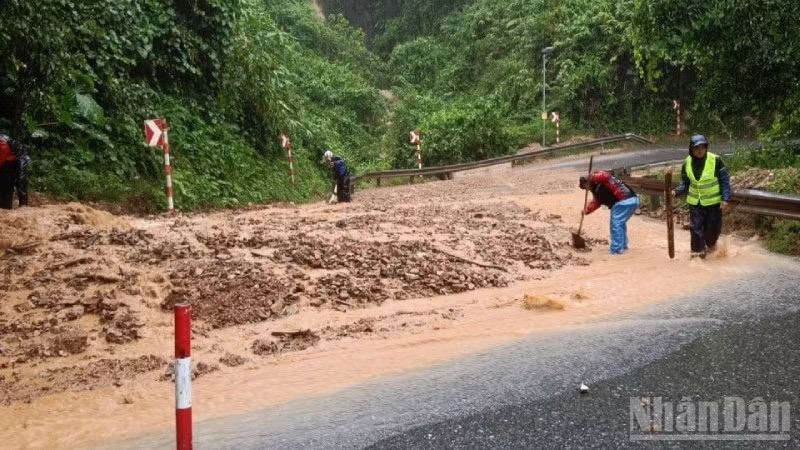
Northern Vietnam Faces High Risk of Flash Floods and Landslides Due to Heavy Rainfall
Environment
2026年7月6日
3
Nhan Dan

Northern Vietnam Faces High Risk of Flash Floods and Landslides Due to Heavy Rainfall

AI サマリー

Northern Vietnamese provinces including Lai Chau, Dien Bien, Son La, and Lao Cai face a very high risk of flash floods and landslides in the next six hours due to heavy rainfall, following the landfall of Typhoon No. 1.

Northern Vietnamese provinces, particularly Lai Chau, Dien Bien, Son La, and Lao Cai, are facing a very high risk of flash floods and landslides within the next six hours. According to the Vietnam Meteorological and Hydrometeorological Administration, moderate to heavy rainfall, and in some areas, very heavy rainfall, is forecast for the morning and afternoon of July 6. This situation is attributed to the impact of Typhoon No. 1, which recently made landfall in Quang Ninh province in the northeast. Following the typhoon's passage, thunderstorms with heavy rain are expected to continue in northern regions, raising concerns about potential flash floods in small rivers and streams, as well as landslides on steep slopes. Specific warnings have been issued for Lai Chau, Dien Bien, Son La, and Lao Cai provinces regarding the danger of flash floods in small rivers and streams, and landslides on steep slopes. These weather events can have direct impacts on Vietnam's infrastructure and residents' lives. Vietnam, situated in a tropical monsoon climate zone, frequently experiences such natural disasters during its rainy season. Mountainous areas and regions along rivers are particularly vulnerable due to factors such as underdeveloped infrastructure and deforestation, which exacerbate the risk of landslides. While the government is working to enhance early warning systems and evacuation plans, responding to widespread disasters remains a constant challenge.

多角的分析

経済的影響

豪雨によるインフラ被害は、復旧コストの増大や物流の寸断を通じて経済活動に短期的な打撃を与える。特に、農業や観光業が盛んな地域では、収穫への影響や観光客の減少が懸念される。長期的には、災害に強いインフラ整備への投資が促進される可能性があるが、その財源確保が課題となる。

投資家心理

短期的に見ると、インフラ被害による物流の遅延や復旧コストの増加は、サプライチェーンに依存する製造業や輸出関連企業にとってリスク要因となる。しかし、長期的には、災害対策やインフラ強靭化への投資拡大が見込まれるため、建設関連企業や関連技術を持つ企業にとっては新たな投資機会となり得る。

社会的影響

被災地域の住民は、家屋の損壊や農作物の被害、インフラの寸断による生活への直接的な影響を受ける。特に、山岳地帯に住む少数民族コミュニティなどは、インフラの脆弱性から避難が困難になり、被害が拡大する恐れがある。また、災害発生時の情報伝達や避難誘導体制の整備が、住民の安全確保において重要となる。

市民の声

ライチャウ省の農家は、収穫期の農作物が雨水で流されたり、土砂に埋もれたりする被害に直面する可能性がある。また、ソンラ省の住民は、河川の氾濫により自宅が浸水し、生活必需品へのアクセスが困難になる不安を抱える。ラオカイ省の交通網が寸断されれば、日々の通勤や物資の輸送に支障が出る。

背景・歴史的文脈

ベトナムは、熱帯モンスーン気候の影響を受け、毎年雨季に豪雨や台風による災害に見舞われる。特に北部山岳地帯は、急峻な地形と開発による森林破壊が相まって、土砂災害のリスクが高い。2017年の台風10号など、過去にも甚大な被害が発生しており、政府は防災・減災対策の強化を継続的に進めている。しかし、経済成長とインフラ開発の急速な進展の中で、自然災害への対応能力の向上が常に求められている。

原文ソース

Nhan Dan

原文を読む