Vietnam Designates October 15 as National Digital Citizen Day
Technology
2026年7月14日
5
VietnamPlus English

Vietnam Designates October 15 as National Digital Citizen Day

AI サマリー

Vietnam aims to become a digital nation by 2035, with all government-citizen transactions conducted online. The government has announced October 15 as National Digital Citizen Day to streamline administrative processes and enhance public convenience.

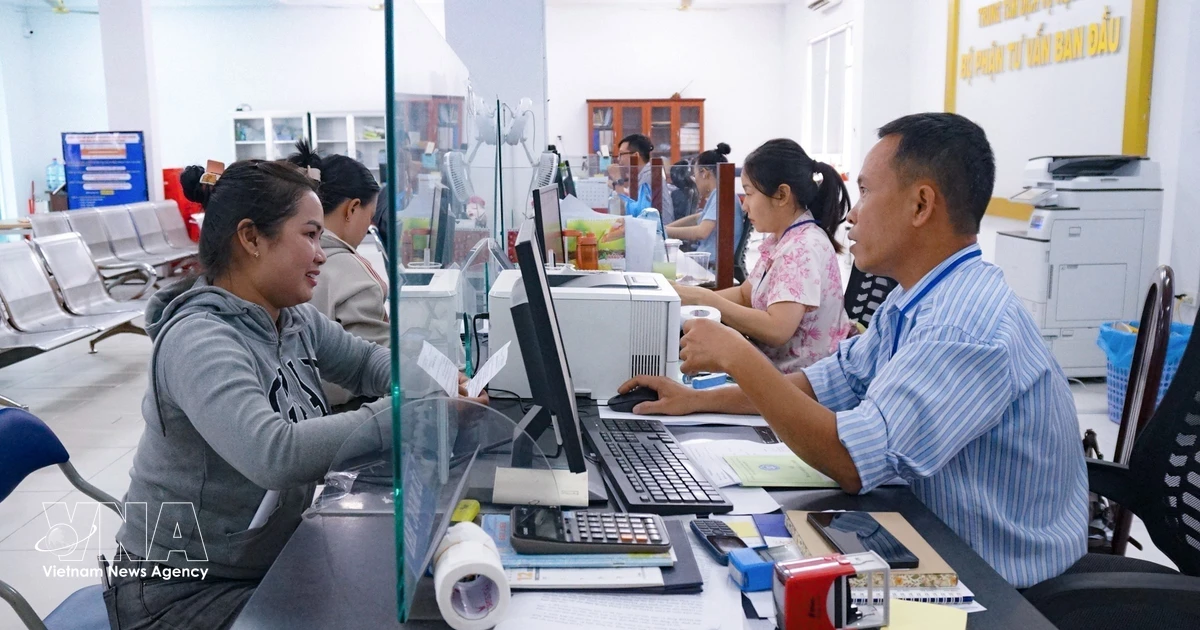
Vietnam envisions becoming a comprehensive and sustainable digital nation by 2035, where all transactions between citizens and government agencies are conducted online. In line with this vision, the government has announced its intention to designate October 15 as National Digital Citizen Day. Under the plan, each resident will be assigned a unique electronic health record (EHR) linked to their personal identification number, ensuring accuracy and consistency while minimizing duplication and data discrepancies. Health data will be continuously updated from medical facilities, routine check-ups, and screening programs, then integrated and centrally displayed on an application. This initiative aims to promote the interconnectedness and efficient utilization of national databases to support smart governance and real-time decision-making. Vietnam shares a similar approach to digital citizenship development with Estonia, placing citizens at the center of digital transformation and using electronic identity systems and resident databases as foundations for online public services and digital transactions. This move seeks to accelerate the shift to data-driven governance by reducing paperwork, streamlining administrative procedures, and expanding the use of shared digital platforms and integrated data across government agencies, while strengthening cybersecurity. Deputy Minister of Foreign Affairs Le Thi Thu Hang stated that participants return to Vietnam at a particularly significant moment, as the country enters a new stage of development following the 14th National Party Congress. She noted that the ongoing reorganization of administrative units has created new development space for localities and the nation, unlocking fresh potential, encouraging innovation, and providing new momentum for faster and more sustainable growth. This push for digitalization is expected to not only enhance administrative efficiency but also serve as a crucial foundation for the search, recovery, and identification of martyrs' remains, and for better implementing policies for people with meritorious service. Advanced technologies such as NGS-SNP will also be utilized to build a national DNA database, significantly increasing the chances of matching unidentified remains with fallen soldiers. Vietnam's proactive approach to advancing digital citizenship, prioritizing its citizens, aligns with international best practices. This initiative marks a significant step towards Vietnam's transition into a more efficient, transparent, and citizen-centric digital society.

多角的分析

経済的影響

ベトナム政府が推進するデジタル国家化は、行政手続きの簡素化と効率化を通じて、経済活動のコスト削減に寄与すると考えられます。特に、オンラインでの行政サービス提供は、企業や個人の時間的・物理的負担を軽減し、ビジネスの迅速化を促す可能性があります。また、データ駆動型のガバナンスは、政策立案の精度を高め、資源配分の最適化につながることで、持続的な経済成長の基盤を強化するでしょう。国民一人ひとりのデジタルID付与は、金融サービスへのアクセス向上や、よりパーソナライズされた公共サービスの提供を可能にし、内需拡大にも貢献する可能性があります。

投資家心理

ベトナムのデジタル国家化への取り組みは、国内外の投資家にとって、透明性と効率性の向上という点で魅力的です。行政手続きのオンライン化は、事業設立や許認可取得にかかる時間を短縮し、投資リスクを低減させることが期待されます。また、整備される国民データベースやEHRは、ヘルスケア、フィンテック、EdTechといった分野での新たなビジネス機会を生み出す可能性があります。サイバーセキュリティの強化は、データ漏洩リスクへの懸念を軽減し、デジタルインフラへの投資を促進するでしょう。しかし、デジタルデバイドの解消や、既存の法規制との整合性については、引き続き注視が必要です。

社会的影響

「国民デジタル市民の日」制定は、ベトナム社会におけるデジタルリテラシーの向上と、政府サービスへのアクセス機会の均等を促進するものです。特に、地方や高齢者など、デジタル化への適応が遅れる可能性のある層への支援策が重要となります。EHRの導入は、医療へのアクセスを改善し、個人の健康管理を支援しますが、プライバシー保護とデータセキュリティの確保が、国民の信頼を得る上で不可欠です。また、行政手続きのオンライン化は、国民と政府との間のコミュニケーションを円滑にし、より参加型の市民社会の構築に貢献する可能性があります。一方で、デジタルデバイドによる新たな格差の発生を防ぐための継続的な教育・支援が求められます。

市民の声

ベトナム政府が2035年までに全ての政府・国民間取引をオンライン化する目標を掲げ、10月15日を「国民デジタル市民の日」と定めたことは、国民生活に大きな変化をもたらす可能性があります。行政手続きがオンラインで完結するようになれば、ハノイやホーチミン市のような大都市での移動時間や書類提出の手間が大幅に削減され、利便性が向上します。電子健康記録(EHR)の整備は、個人の健康管理を容易にし、医療機関へのアクセスを改善するでしょう。しかし、デジタル機器の所有やインターネット接続の有無、さらにはデジタルリテラシーの格差が、一部の国民、特に地方や高齢者にとって、新たな障壁となる懸念があります。政府によるデジタルスキルの向上支援策が、この「デジタルデバイド」を埋める鍵となります。

背景・歴史的文脈

ベトナム政府は、2010年代から「IT先進国」を目指し、デジタル化を国家戦略の柱の一つとして位置づけてきました。2020年には「国家デジタル変革プログラム」が承認され、2025年までにデジタル経済がGDPの20%を占める目標が掲げられました。今回の「国民デジタル市民の日」制定は、この長期的なビジョンの一環であり、国民一人ひとりのデジタルID付与や電子健康記録(EHR)の整備は、2019年に制定された「サイバーセキュリティ法」や、それに続く個人情報保護関連の法規制強化の流れとも連動しています。一党体制下で、効率的な統治と国民生活の利便性向上を両立させるという政府の意図が、デジタル化推進の根底にあります。

原文ソース

VietnamPlus English

原文を読む