Philippines Fuel Prices Set to Rise on Global Market Volatility, Middle East Tensions
Philippines is bracing for fuel price hikes this week, with diesel and kerosene expected to increase by over P2 per liter, while gasoline may see a P1 adjustment. The fluctuations are primarily driven by rising international crude oil prices due to Middle East tensions.
MANILA, Philippines — Diesel and kerosene prices are expected to rise by more than P2 per liter this week, while gasoline prices may either increase or decrease by P1 per liter, the Department of Energy (DOE) said Monday, July 13. The DOE said fuel prices for the coming week remain affected by movements in the global oil market as the conflict in the Middle East continues. The following pump price adjustments are expected to take effect from Tuesday, July 14, to Monday, July 20: This will be the last week that the DOE will announce fuel price adjustments in ranges, as the agency said specific price adjustments will be posted starting next week. "Change tayo kasi we saw that with the agreement, kakalma na ang presyo," Energy Secretary Sharon Garin said. ("We are changing because we saw that with the agreement, prices will calm down.") Garin said announcing specific price adjustments would make it easier for the DOE to monitor local pump prices, as the country remains under a national state of energy emergency. "It's better for the protection of consumers and for monitoring ng gobyerno," Garin said. ("It's better for the protection of consumers and for government monitoring.") Potential slight increase. Garin also warned the public of a potential slight pump price increase in the following weeks, citing "growing tensions" in the Middle East that threatened safe passage in the Strait of Hormuz. "Umaakyat na naman 'yung presyo on international crude oil prices and consequently affected po tayo, in domestic pump prices natin. So expect a slight increase on our prices," Garin said. ("International crude oil prices are rising again, and consequently, our domestic pump prices are affected. So expect a slight increase in our prices.") Information source: Philstar Business
多角的分析
フィリピン経済は、原油価格の変動に大きく左右される構造を持つ。今回の軽油・灯油価格の1リットルあたり2ペソ以上の値上げは、運輸コストの上昇を通じて、物流費、ひいては食料品や日用品の価格にも波及する可能性が高い。これは、インフレ率を押し上げる要因となり、特に低所得者層の家計を圧迫する。フィリピンはエネルギー輸入国であり、国際原油市場の動向は国内経済の安定にとって常に重要なリスク要因である。
投資家にとって、燃料価格の上昇は運輸・物流セクターの企業収益を圧迫する要因となる。また、インフレ圧力の高まりは、中央銀行の金融政策(利上げなど)を促す可能性があり、これは株式市場や債券市場全体にネガティブな影響を与える可能性がある。一方で、エネルギー関連企業や、代替エネルギーへの投資機会を模索する動きも加速するかもしれない。中東情勢の不確実性は、グローバルなサプライチェーンへの懸念を高め、投資判断をより慎重にさせる。
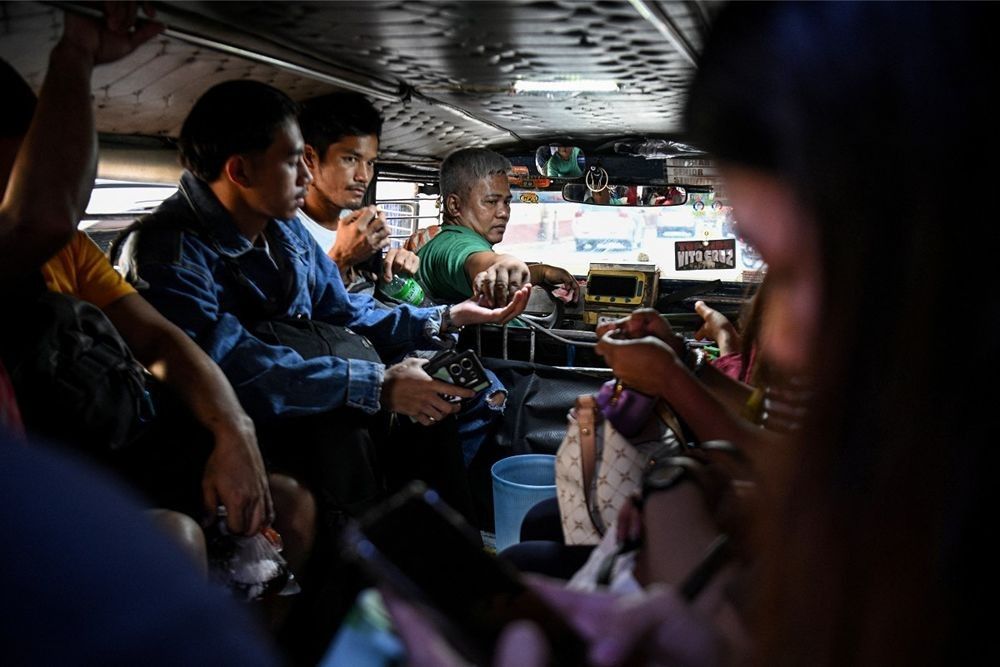
軽油と灯油の価格上昇は、フィリピンの多くの人々の日常生活に直接的な影響を与える。特に、公共交通機関の運賃上昇や、地方での物流コスト増加による物価上昇は、家計を圧迫する。例えば、マニラ首都圏のジープニー(公共バス)の運賃や、地方での農産物の輸送コストが増加し、最終的に消費者の負担となる。また、灯油は地方の家庭で調理や照明に広く使われているため、その価格上昇は生活水準の低下を招く恐れがある。エネルギー省が価格調整の透明性を高める方針は、消費者保護の観点から評価されるべきだが、根本的な価格上昇圧力への対応が求められる。
今回の燃料価格上昇は、フィリピン国民、特に運輸業従事者や低所得者層に直接的な打撃を与えます。ジープニー運転手は燃料費の増加分を運賃に転嫁せざるを得ず、その負担は乗客である市民に及びます。また、地方では農産物の輸送コスト増が、食料品価格の上昇につながる懸念があります。エネルギー省が価格調整の透明性を高める方針は歓迎されるべきですが、市民は生活必需品の値上げに直面し、家計への影響を懸念しています。
背景・歴史的文脈
フィリピンは、エネルギー資源の多くを輸入に依存しており、国際原油価格の変動に脆弱な経済構造を持つ。過去にも、中東情勢の緊迫化や、主要産油国の生産調整などにより、国内の燃料価格が大きく変動し、インフレや国民生活への影響が懸念されてきた。特に2022年には、ウクライナ侵攻を背景とした原油価格の高騰が、フィリピン国内でも顕著な物価上昇を引き起こし、国民生活を圧迫した。今回のDOEによる価格調整の発表方法の変更は、こうした過去の経験を踏まえ、より透明性の高い情報提供を通じて、消費者の理解を得ようとする試みと考えられる。
原文ソース
Philstar Business