General articles are free for 24 hours after publish.
Typhoon Dolphin Nears Northern Taiwan, South China Sea Winds Expected to Intensify
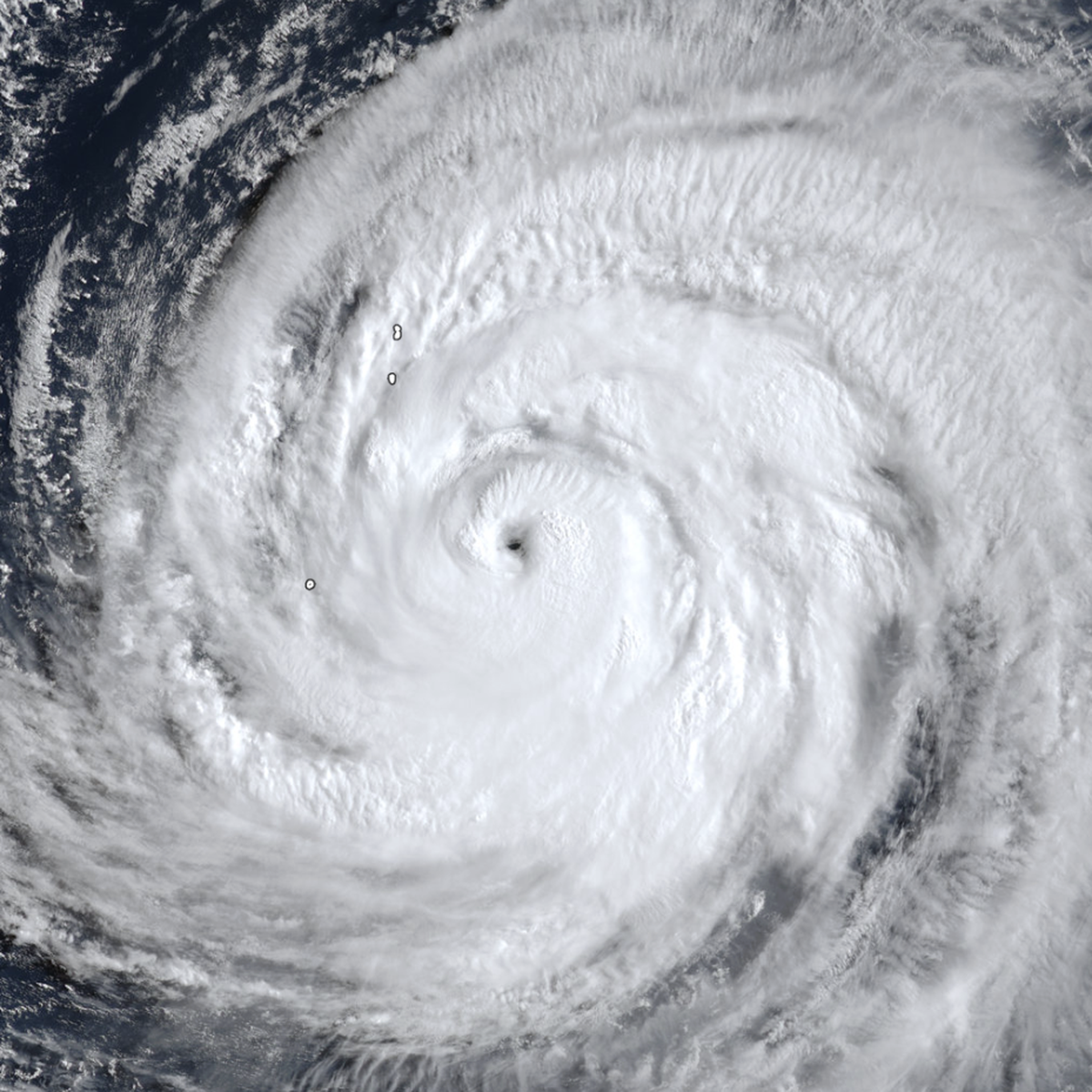
Typhoon Dolphin is approaching northern Taiwan, with winds expected to intensify in the South China Sea. According to the Japan Meteorological Agency, the typhoon will pass east of Okinawa and then head towards mainland China. Caution is advised for waves and strong winds near Vietnam's waters.
Multiple meteorological agencies have announced that Typhoon Dolphin is heading towards northern Taiwan, with winds expected to intensify in the South China Sea. As of 6 AM on August 4, Dolphin was located approximately 1,500 km east of Okinawa, with maximum sustained winds near the center at 160 km/h (Category 14) and gusts up to 220 km/h (Category 17), according to the Japan Meteorological Agency (JMA). Although this represents a decrease of one category from the previous day, the typhoon remains very powerful. The JMA forecasts that Dolphin will continue moving westward over the next few days, passing through the Okinawa Islands before shifting its course northwestward towards mainland China. It is predicted to weaken to Category 13 (134-149 km/h) by August 9. Vietnamese meteorological authorities share a similar outlook, expecting Dolphin to affect Okinawa before heading towards China. Specifically, as Dolphin approaches northern Taiwan between August 5-8, the southwesterly winds in the southern South China Sea are anticipated to strengthen. Between August 6-7, the northern, central, and southern parts of the South China Sea (including the Paracel and Spratly Islands) could experience very rough sea conditions with wind speeds of Category 6-7 and wave heights of 2-4 meters. In Vietnam's Tonkin Gulf and the northern and central waters of the South China Sea, scattered showers with thunderstorms are forecast for August 4. There is a risk of tornadoes, strong gusts of up to Category 7-8, and waves exceeding 2 meters. Vessels operating in these areas are exposed to the impact of these phenomena. Under Vietnam's one-party system, responses to meteorological disasters are a national priority, aimed at ensuring public safety and mitigating economic impacts. Vietnam has experienced rapid economic growth in recent years, but it also faces vulnerabilities to natural disasters. Meteorological information in the South China Sea, particularly given territorial disputes with China, is also considered crucial from a security perspective.
Original source
The Saigon Times