Southwest Monsoon to Continue Bringing Rains After Tropical Storm 'Inday' Exits PAR
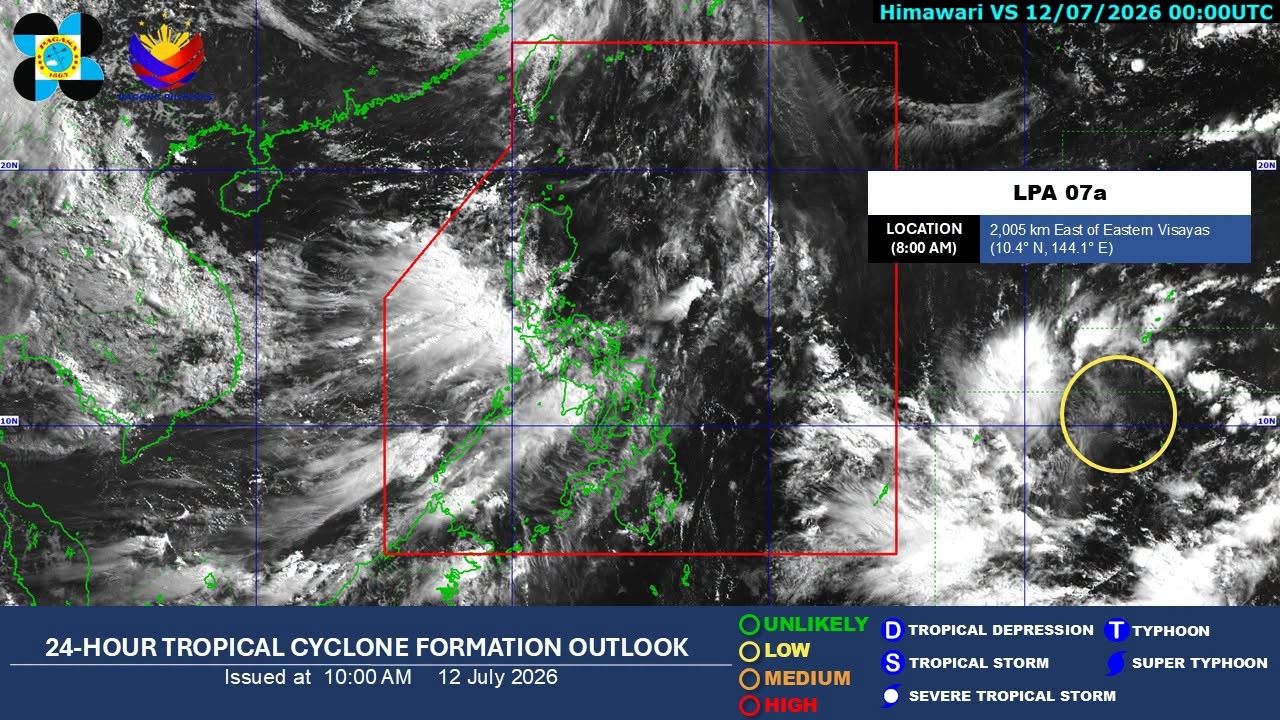
The southwest monsoon, locally known as 'habagat,' is expected to continue bringing rains to parts of the Philippines even after Tropical Storm Bavi, locally named 'Inday,' exited the Philippine Area of Responsibility. PAGASA has warned of possible flash floods and landslides.
This article requires PRO
This article is outside the free access window or is a special report. PRO unlocks it and the full archive.
Related articles
- Typhoon Inday Claims 18 Lives Amidst Widespread Flooding and Landslides
Typhoon Inday and the enhanced southwest monsoon have caused at least 18 deaths, 7 injuries, and 12 missing individuals across the Philippines. Approximately 562,000 people were affected, with relief assistance totaling P28.57 million provided.
- Typhoon Inday, Southwest Monsoon Affect Over 1,000 Families in Calabarzon
Typhoon Inday and the enhanced southwest monsoon have impacted over 1,000 families in the Calabarzon region, prompting the Department of Social Welfare and Development (DSWD) to continue relief operations and prepare additional assistance.
- Satellite Data Reveals Widespread Flooding in Southern Philippines After Typhoon Inday Rains
The Philippine Space Agency (PhilSA) has confirmed widespread flooding in southern Mindanao following heavy rains enhanced by Typhoon Inday, with satellite data highlighting severe inundation in parts of Cotabato and the Bangsamoro region.
- Typhoon Inday, Habagat Leave 17 Dead, Over 500,000 Affected
Typhoon Inday, coupled with the enhanced southwest monsoon (habagat), has resulted in at least 17 deaths and nine missing persons across the Philippines, affecting over 500,000 individuals. Infrastructure damage has also been reported.