General articles are free for 24 hours after publish.
Philippine Peso Extends Losing Streak, Nears 63 vs US Dollar
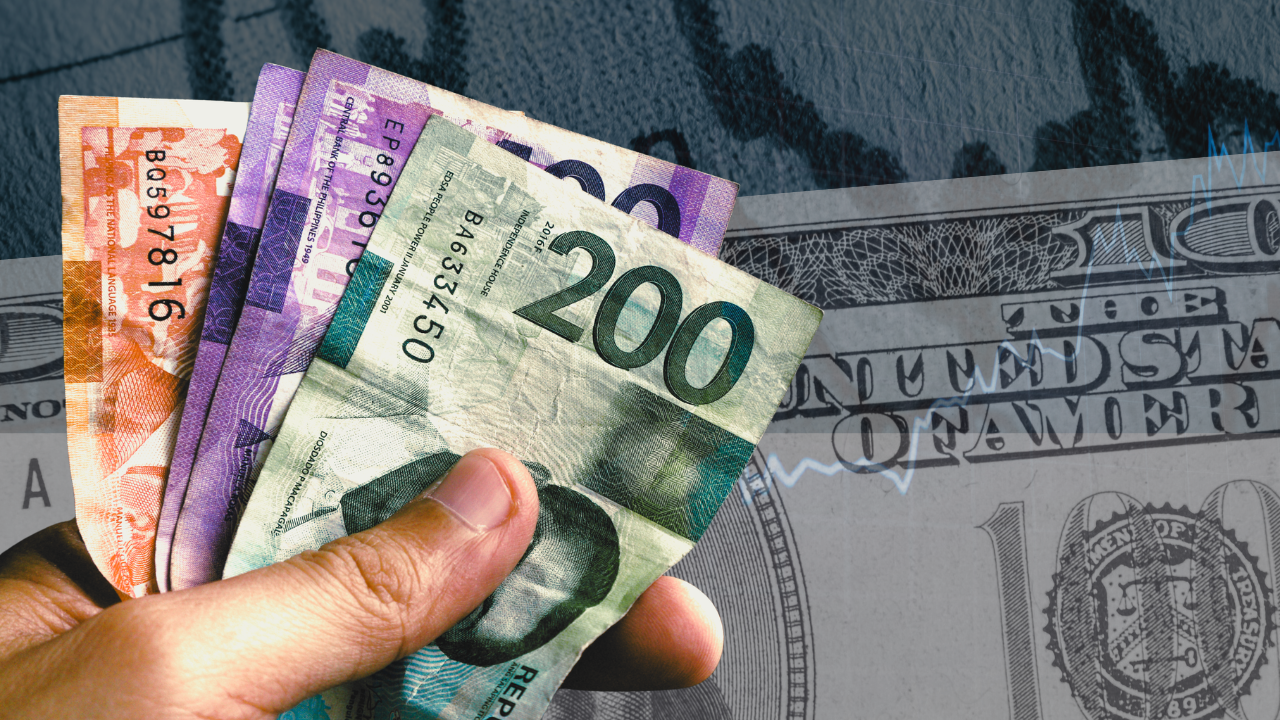
The Philippine peso fell 18 centavos on Monday to a fresh record low of 62.86 per dollar, as growing expectations of interest-rate hikes by major central banks strengthened the greenback and weighed on the local currency. This development could fuel inflationary pressures and increase import costs for the Philippine economy.
MANILA, Philippines — The Philippine peso extended its losing streak on Monday, depreciating by 18 centavos to finish at a fresh record low of 62.86 against the US dollar. This decline underscores the impact of growing expectations for interest-rate hikes by major global central banks, which have bolstered the dollar and weighed on emerging market currencies like the peso. The Bangko Sentral ng Pilipinas (BSP) has been actively working to manage inflation, having already undertaken monetary tightening measures. However, the aggressive stance of international monetary authorities, particularly the US Federal Reserve, is creating a challenging environment for the peso. A sustained depreciation could lead to higher imported inflation, affecting the cost of essential goods and services for Filipino consumers. Economists and market analysts point to a combination of global economic headwinds and domestic factors contributing to the peso's weakness. These include persistent global inflation, ongoing geopolitical uncertainties, and the potential for increased import bills, especially for energy and food. While a weaker peso can sometimes benefit overseas Filipino workers (OFWs) by increasing the peso value of their remittances, the overall economic implications are often viewed with caution. A significant depreciation can strain businesses that rely on imports and increase the cost of servicing foreign debt for both the government and corporations. Authorities are expected to monitor the situation closely and implement measures to maintain financial stability and support economic growth. The continued strength of the US dollar globally remains a key factor influencing the peso's trajectory in the short to medium term.
Original source
Inquirer Business