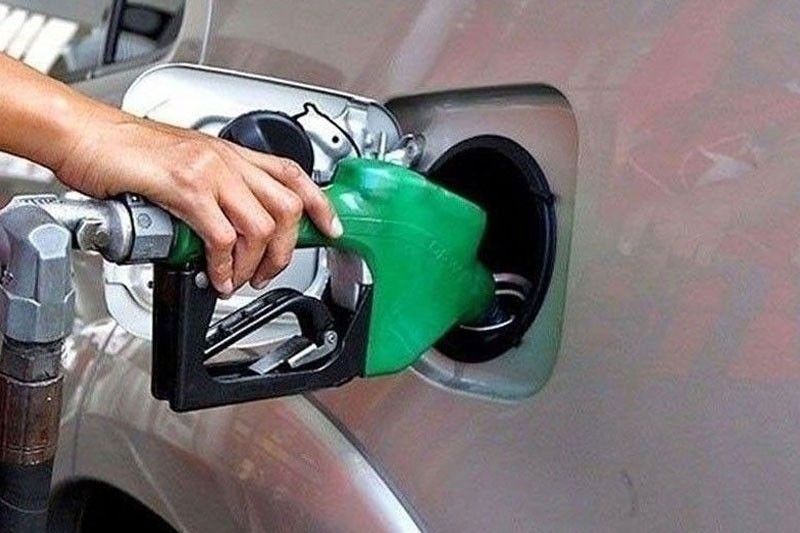
Philippines Sees Fuel Price Hikes Amid 'Price Range' System Concerns
Fuel prices in the Philippines are set for a nearly P1.90 per liter hike for gasoline, though some price rollbacks are also expected. The Department of Energy's 'price range' system has drawn concerns over granting oil companies too much discretion in setting prices.
MANILA, Philippines — Fuel price adjustments this week cover both hikes and rollbacks, with gasoline set for the steepest increase of nearly P1.90 per liter, according to the Department of Energy (DOE). DOE Secretary Sharon Garin said pump prices of gasoline may rise by as much as P1.90 per liter, diesel by P0.84 and kerosene by P1.22 starting today. But some fuel stations may also implement maximum price rollbacks of P0.10 per liter for gasoline, P1.16 for diesel and P0.78 for kerosene. People are questioning the range in fuel price adjustments. “With oil markets calming, we have placed a price range so that companies can earn near what they pay as actual expenses,” Garin said yesterday. “Each company can choose within a range what it wants to mark up or mark down… Some of them are running at a loss, while others are earning, but this is just an average. Hopefully, while we’re not returning to the previous (prices), this will be the compromise that we have seen,” she added. Despite the DOE’s prescribed rollbacks this week, several fuel stations have opted to only implement price hikes. Shell will hike gasoline prices by P1.65 per liter, diesel by P0.84 per liter and kerosene by P1.22 per liter – all within the upper band of the prescribed range. Amid stabilizing prices driven by easing geopolitical tensions, the DOE continues to implement a price range system, which is more flexible compared with previously mandated fixed adjustments. But motorists have raised concerns that the more flexible pricing approach gives oil companies greater room to set prices. Garin defended the policy, saying current pricing rules take into account oil firms’ financial and operational conditions. The price range, she said, reflects the actual expenses companies incur in procuring petroleum products, with some earning profits while others suffer losses. Before the US-Israel war with Iran, the DOE mainly served as a monitoring agency for fuel prices, in line with the Oil Deregulation Law of 1998. This changed when a national energy emergency was declared, triggering the DOE’s authority to “temporarily take over or direct the operations” of oil industry players. Meanwhile, the planned strategic petroleum reserve of the government will take about a decade to construct, with the project’s first phase to be operational by 2028, the DOE said. The reserves intend to add 30 days of petroleum products to domestic inventory, complementing the maximum 60-day storage capacity currently held by private companies. DOE Undersecretary Alessandro Sales clarified on Monday that this project needs further studies and an enabling law from Congress. Maharlika Investment Corp. (MIC), the sole administrator of the country’s sovereign wealth fund eyeing to help bankroll the project, stressed that this initiative is a medium-term response by the government, led by a consortium comprising the public and private sectors. Last week, MIC president and chief executive officer Rafael Jose Consing Jr. explained that the firm will not manage the commodity once the tankers are built. — EJ Macababbad
多角的分析
フィリピン経済における燃料価格の変動は、インフレ圧力と家計の購買力に直接的な影響を与える。今回の価格レンジ制導入は、石油会社に一定の裁量を与えることで市場の安定化を図る狙いがあるが、その柔軟性が消費者にとっては不透明感と値上げへの懸念を生んでいる。過去にも同様の価格調整メカニズムが導入された際には、石油会社の収益性と消費者物価のバランスが問題視された経緯があり、今回のレンジ制も同様の課題に直面する可能性がある。特に、国際原油価格の変動が激しい状況下では、このレンジ制がどのように機能し、最終的に消費者にどのような影響を与えるかが注視される。
今回の燃料価格調整は、フィリピンの投資環境において、特に運輸、物流、製造業といったエネルギーコストに敏感なセクターの収益性に影響を与える可能性がある。価格レンジ制の導入は、石油会社にとって予測可能性を高める一方で、消費者物価への影響を通じてマクロ経済全体の安定性を左右する要因にもなり得る。投資家は、この価格レンジ制が長期的に市場の透明性を損なわないか、また、石油会社が不当に利益を最大化するインセンティブを持たないかを見極める必要がある。政府の戦略的石油備蓄計画は、エネルギー安全保障の観点からポジティブな要素だが、その実現には時間がかかるため、短期的な価格変動リスクへの対応が投資判断の鍵となるだろう。
燃料価格の変動は、フィリピンの一般市民、特に低所得者層の生活に直接的な影響を与える。ガソリン価格の上昇は、公共交通機関の運賃上昇や、食料品などの生活必需品の価格上昇を招く可能性がある。今回の価格レンジ制導入に対する市民の懸念は、石油会社が価格設定において透明性を欠き、消費者の負担を不当に増やすのではないかという根強い不信感の表れと言える。マニラ首都圏のような大都市では、通勤・通学の負担が増大し、地方では物流コストの上昇が地域経済に波及する恐れがある。エネルギー省の意図とは裏腹に、市民の生活実感との乖離が生じている点が、社会的な課題として浮上している。
今回の燃料価格の動きは、多くのフィリピン国民、特に日々の通勤や生計を立てるために車やバイクを利用する人々にとって、直接的な家計への影響を意味します。ガソリン価格が上がるということは、当然、タクシーやジープニーの運賃も上がる可能性があります。そうなると、食料品やその他の必需品の価格も連鎖的に上昇するのではないかと心配しています。エネルギー省は価格レンジ制で企業に裁量を与え、市場の安定を図ろうとしているようですが、私たち市民から見ると、石油会社が自分たちの都合の良いように価格を設定できるようになっただけではないかと疑念を抱いています。過去にも、値上げの際には十分な説明がないまま行われることが多く、不公平感を感じることが少なくありません。この新しい価格レンジ制が、私たちの生活をさらに圧迫しないことを願うばかりです。
背景・歴史的文脈
フィリピンにおける燃料価格の自由化は、1998年の石油自由化法(Oil Deregulation Law)によって推進された。この法律は、市場競争を通じて価格を決定し、消費者利益を最大化することを目的としていた。しかし、国際原油価格の変動や、国内の石油会社間の競争構造によっては、この自由化が必ずしも価格の安定や消費者保護に繋がらないケースも生じてきた。特に、主要な石油供給国における地政学的リスクが高まると、価格の急騰リスクが増大する。過去には、国家エネルギー危機宣言下で政府が価格介入を行う事例もあったが、通常は市場メカニズムに委ねられる傾向にある。今回の価格レンジ制は、自由化の原則を維持しつつ、市場の過度な変動を抑制しようとする政府の試みと見られる。これは、エネルギー安全保障の観点から、戦略的石油備蓄の構築と並行して進められている政策の一環である。
原文ソース
Philstar Nation