Philippines Eyes Gasoline Price Fluctuations: DoE Cites Potential Adjustments
The Philippines' Department of Energy (DoE) indicated that gasoline prices could surge by as much as P1.90 per liter, while also suggesting a possibility of a minor rollback. Price adjustments are also anticipated for diesel and kerosene.
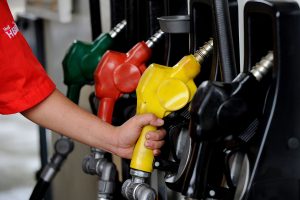
GASOLINE PRICES could rise by as much as P1.90 per liter, though a small rollback is also possible, according to the Department of Energy (DoE). At a briefing on Monday, Energy Secretary Sharon S. Garin gave a broad range for possible gasoline price movements, from a retreat of P0.10 per liter to an increase of up to P1.90. Diesel prices may fall by as much as P1.16 per liter or increase by up to P0.84. Kerosene prices, meanwhile, may decline up to P0.78 per liter or increase by as much as P1.22. “The international market is calming down, and prices are starting to stabilize,” Ms. Garin said. “We’ll keep monitoring and informing the public on what is happening … We hope that (prices) will keep going down.” Since the declaration of the national energy emergency, the DoE has started prescribing price adjustments that set the minimum reduction and the maximum increase oil companies can charge. Ms. Garin said the price range set by the government closely tracks the actual expenses incurred by companies in procuring petroleum products. “While we haven’t returned to previous levels yet, this is the compromise we identified — to average them out for now, allowing (the oil company) to choose either the lowest or the highest (adjustment),” she said. As of June 26, the national fuel stockpile was 41.16 days, decreasing from 43.86 days last week. Kerosene stocks were rated at 212.41 days, followed by jet fuel (70.83 days), and gasoline (42.19 days). “The decreasing inventory actually is the expectation that prices will continue to come down although the pace might be slower,” Energy Undersecretary Alessandro O. Sales said. “That is why companies are not immediately replenishing their supply.” To strengthen energy independence, the government is aiming to build a 90-day petroleum products stockpile. Mr. Sales said that developing the proposed strategic petroleum reserve will involve further studies and legislation by Congress. He said the initial phase of the strategic petroleum reserve might be implemented by 2028. — Sheldeen Joy Talavera
多角的分析
フィリピン経済において、燃料価格の変動は広範な影響を及ぼす。特に輸送コストの増加は、食料品や日用品の価格上昇を招き、インフレ圧力を高める。これは家計の購買力を低下させ、消費支出の抑制につながる可能性がある。エネルギー省が設定する価格幅は、市場価格と企業収益のバランスを取る試みだが、その幅が消費者にとって許容できる範囲内であるかが重要となる。また、国際原油価格の動向だけでなく、国内の精製能力や流通網の効率性も価格安定化の鍵となる。
石油関連企業や輸送業にとって、価格変動は収益予測の不確実性を高める要因となる。エネルギー省が設定する価格帯は、一定の予測可能性を提供するものの、国際市場の急激な変動には対応しきれない可能性がある。投資家は、フィリピンのエネルギー政策、特に戦略的石油備蓄の進捗状況を注視する必要がある。90日分の備蓄目標達成は、供給の安定化に寄与し、投資リスクを低減させる可能性がある。また、代替エネルギーへの投資機会も、長期的な視点からは検討に値する。
ガソリン価格の上昇は、特に低所得者層や地方の住民にとって大きな負担となる。公共交通機関の利用料金の上昇や、物流コストの増加による物価高は、生活必需品の入手を困難にする可能性がある。エネルギー省が価格変動の幅を公表し、市場の安定化を図ろうとする姿勢は評価されるべきだが、価格上昇が続く場合、政府による追加的な支援策や、より効果的なインフレ抑制策が求められるだろう。また、エネルギー自給率向上のための戦略的備蓄計画の進捗は、将来的なエネルギー供給の安定性に対する国民の安心感にも影響を与える。
ガソリン価格の変動は、マニラ首都圏の通勤者や地方で輸送業を営む人々に直接的な影響を与えます。価格が上昇すれば、日々の生活費が増加し、予算を圧迫します。特に、公共交通機関の運賃や、食料品などの物価上昇につながるため、家計への影響は避けられません。エネルギー省の発表は、ある程度の予測を可能にしますが、実際の価格変動が家計に与える影響は大きく、政府には安定した価格設定と、必要に応じた支援策の実施が期待されています。
背景・歴史的文脈
フィリピンは原油の主要輸入国であり、国際原油価格の変動に経済が大きく左右される構造にある。過去には、中東情勢の緊迫化や、主要産油国の減産発表などが、国内の燃料価格に直接的な影響を与えてきた。特に、2022年にはロシアのウクライナ侵攻が原油価格を世界的に高騰させ、フィリピンでも深刻なインフレを引き起こした。これを受け、政府はエネルギー価格の安定化とエネルギー安全保障の強化を目指し、戦略的石油備蓄の構築を計画している。この計画は、将来的な供給途絶リスクへの備えとして、また国際市場の変動に対する緩衝材としての役割が期待されている。
原文ソース
BusinessWorld Economy