Philippines Accelerates Digital Payments: Apple Pay Launch Imminent, Rail and Bus Systems Evolve
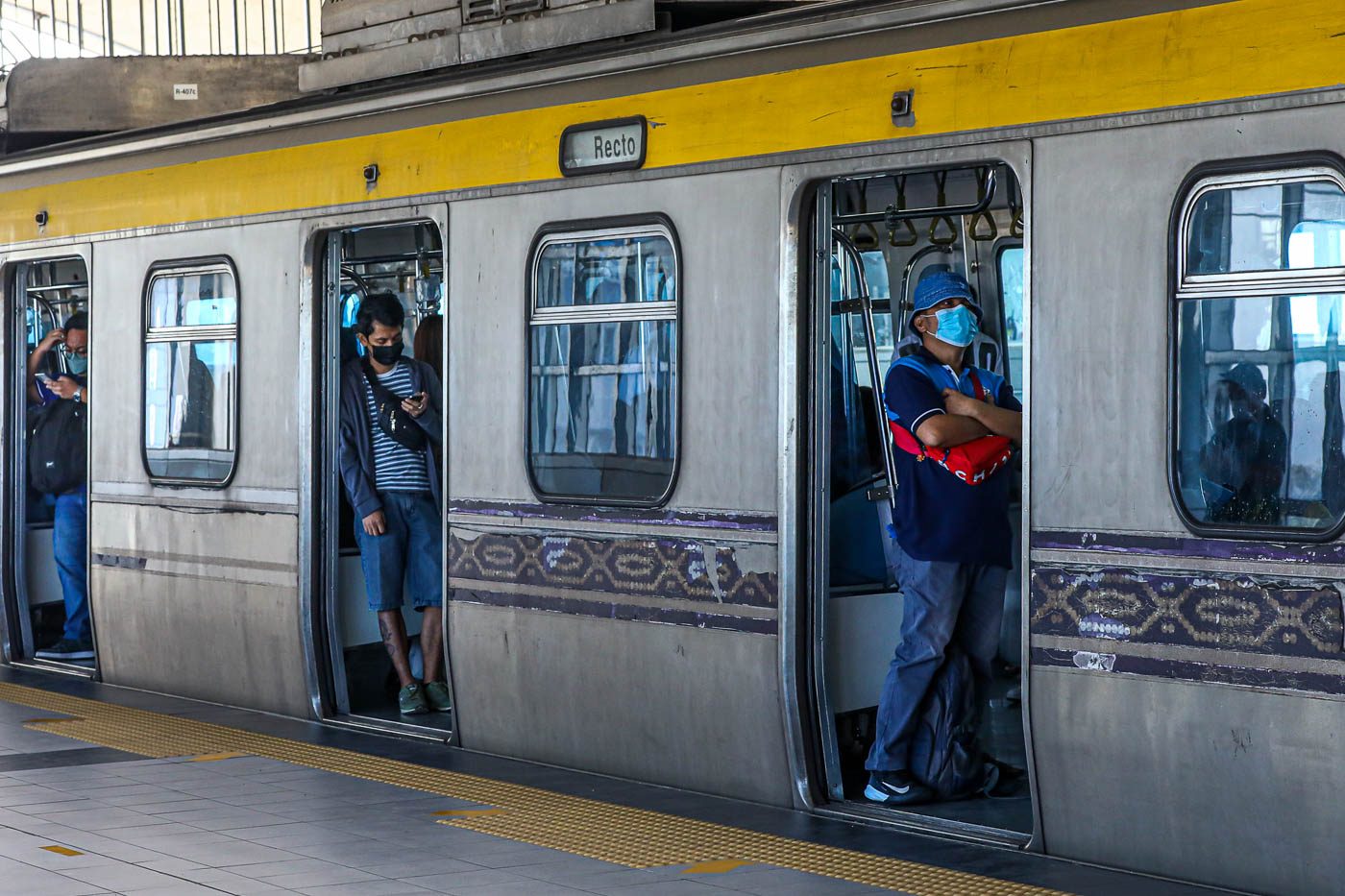
The Bangko Sentral ng Pilipinas (BSP) announced that local banks are preparing for the launch of Apple Pay in the Philippines. Additionally, a tap-to-pay system for LRT1 is nearing final agreement, signaling an acceleration in digital payment adoption across public transportation.
This article requires PRO
This article is outside the free access window or is a special report. PRO unlocks it and the full archive.
Related articles
- Tonik Digital Bank Enhances Customer Engagement with AI Adoption
Tonik, the Philippines' first digital-only bank, has partnered with Singapore-based AI firm AI Rudder to implement AI-powered customer engagement solutions. The move aims to enhance customer interactions, improve operational efficiency, and ensure consistent service quality.
- DICT Rolls Out AI Tools to Boost Philippine MSMEs
The Philippine Department of Information and Communications Technology (DICT) has launched AI-powered tools to assist Micro, Small, and Medium Enterprises (MSMEs) in business planning, regulatory compliance, pricing, and digital marketing, accelerating digital transformation nationwide.
- RCBC's 7th Straight Euromoney Win Highlights Digital Banking's Impact on Financial Inclusion
RCBC has won Euromoney's Best Bank for Digital award for the seventh consecutive year, recognizing its innovation in creating a banking ecosystem that supports customers throughout their financial lives and promotes financial inclusion in the Philippines.
- Philippines' Digital Push: Progress and Challenges One Year After SONA
One year after President Ferdinand Marcos Jr.'s State of the Nation Address, progress on digital transformation initiatives is reported. The eGovPH app has seen a surge in usage despite temporary outages, while free Wi-Fi spots have significantly increased and national fiber optic network development is advancing.