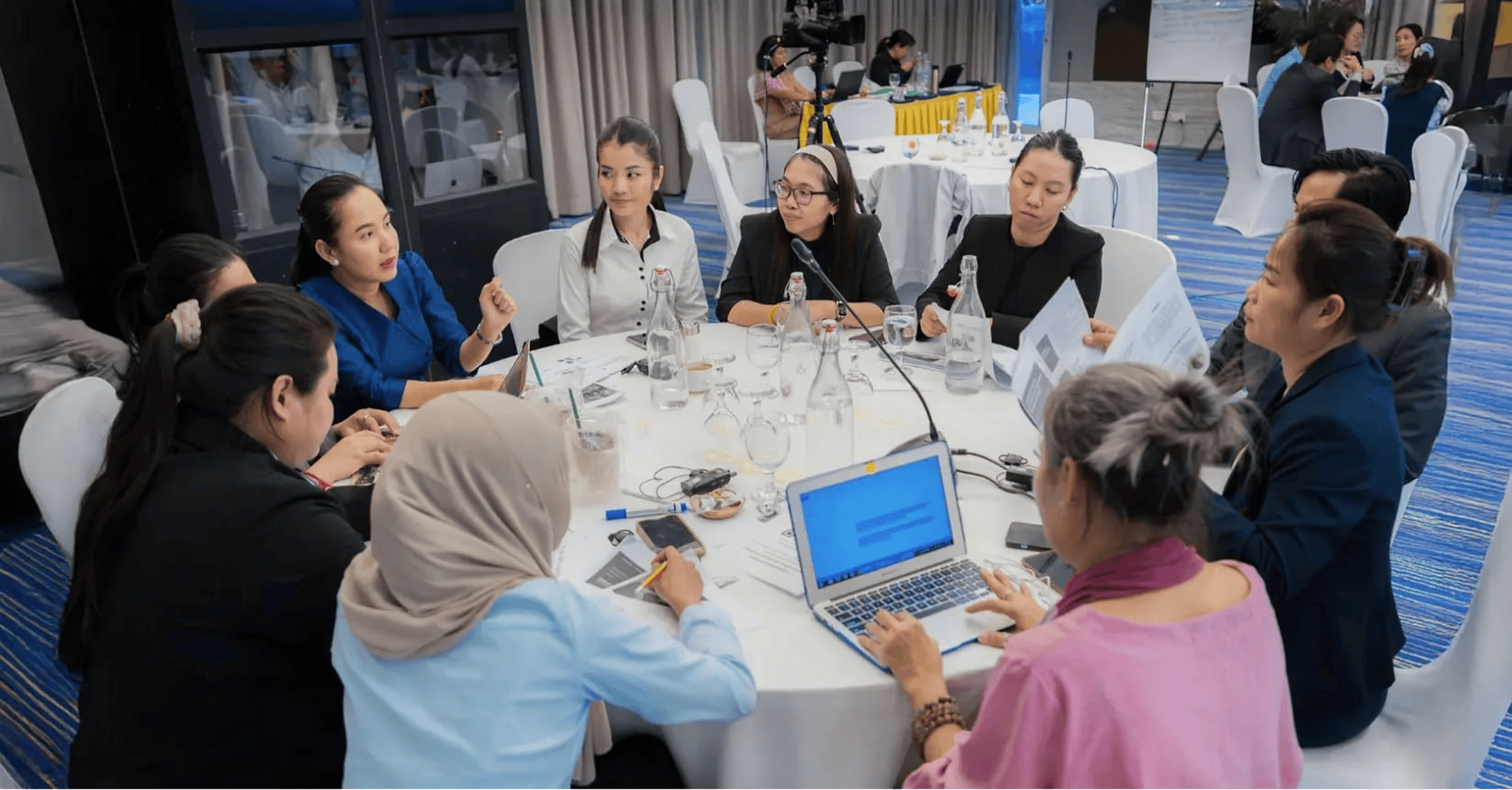
Beyond English and Technical Skills: Cambodian Professionals Can Become Global Leaders Through Cultural Intelligence
Business
2026年7月27日
4
Phnom Penh Post

General articles are free for 24 hours after publish.

Beyond English and Technical Skills: Cambodian Professionals Can Become Global Leaders Through Cultural Intelligence

Share
AI Summary

To ascend to leadership roles in multinational corporations and international organizations, Cambodian professionals need to cultivate cultural intelligence (CQ) beyond English proficiency and technical skills. CQ enables cross-cultural understanding and effective collaboration, strengthening Cambodia's global engagement.

For many Cambodian professionals, opportunities to work in multinational companies and international organisations have expanded significantly. Cambodia’s economic development, regional integration and growing engagement with the global economy have created new pathways for local talent to contribute to international business and development. However, becoming a leader in a multinational company or international non-governmental organisation (INGO) requires more than academic qualifications, technical expertise or English proficiency. The next generation of Cambodian leaders must develop another critical capability: cultural intelligence. Cultural intelligence, or CQ, is the ability to understand, appreciate and effectively work with people from different cultural backgrounds. In today’s global workplace, leaders must do more than manage tasks. They must build trust across cultures, communicate effectively with diverse teams and make decisions in complex international environments. For Cambodian professionals seeking greater leadership roles, cultural intelligence can become a key advantage. Moving from Participation to Leadership Cambodia has many talented professionals with strong technical skills, local knowledge and valuable experience working with international organisations. Many have successfully contributed to development projects, business operations and social initiatives. Yet leadership requires a broader set of capabilities. Senior leaders are expected to influence others, manage diverse teams, negotiate with stakeholders, resolve conflicts and represent organisations in complex environments. In multinational companies and INGOs, Cambodian leaders often work with colleagues and partners from different countries and cultures. These differences influence how people communicate, make decisions, provide feedback and understand leadership. Without cultural awareness, these differences can create misunderstandings. With cultural intelligence, they can become opportunities for collaboration, innovation and stronger relationships. Cultural Intelligence: A Bridge Between Cambodia and the World Cultural intelligence does not mean abandoning Cambodian values or simply copying foreign leadership styles. Instead, it means understanding cultural differences and adapting effectively while maintaining one’s own identity. Cambodian professionals already possess strengths that are valuable in global workplaces, including respect for relationships, cooperation, patience and community-oriented thinking. These qualities can contribute positively to international teams. However, they must be combined with the confidence and adaptability required to operate in global environments. Cultural intelligence consists of three important abilities. The first is cognitive CQ, which involves understanding cultural differences. Leaders need to recognise that people from different backgrounds may have different approaches to communication, teamwork, hierarchy and decision-making. The second is motivational CQ, which reflects the willingness and confidence to engage with people from diverse cultures. Professionals who want to become global leaders must be willing to participate actively in multicultural discussions, learn from others and step outside their comfort zones. The third is behavioural CQ, which is the ability to adjust communication and leadership approaches depending on the situation. Effective leaders know when to speak directly, when to listen carefully and how to work with different expectations. From Local Expertise to Global Leadership Cambodian professionals have an important opportunity to become bridges between local knowledge and global perspectives. Multinational companies and INGOs need leaders who understand Cambodia’s social, cultural and economic realities while also being able to work effectively within international systems. Cambodian leaders can provide insights that external professionals may not have, particularly when developing strategies, managing local partnerships and creating solutions for communities. However, local expertise alone is not enough. Global leadership requires the ability to communicate ideas confidently, collaborate across cultures and influence people from different backgrounds. Organisations with culturally intelligent leaders are better positioned to build trust, improve teamwork and encourage innovation. Research on multicultural teams shows that cultural intelligence strengthens communication and helps diverse teams develop a stronger sense of shared purpose. For Cambodia, developing more culturally intelligent leaders is not only important for individual career advancement. It is also essential for strengthening the country’s participation in the regional and global economy. Preparing Cambodia’s Next Generation of Leaders Cambodian professionals who aspire to leadership positions should actively develop cultural intelligence through experience and continuous learning. Working on international projects, building professional networks, learning from colleagues from different backgrounds and developing communication and negotiation skills can help prepare professionals for global leadership roles. At the same time, universities, companies and professional training institutions should place greater emphasis on cross-cultural leadership development. Preparing Cambodia’s workforce for the future requires investment not only in technical skills but also in the ability to lead diverse teams. The future belongs to leaders who can connect cultures, ideas and people. Cambodian professionals have the potential to take on greater leadership roles in multinational companies and INGOs, but success will require more than qualifications and language ability. Cultural intelligence provides the foundation for leading in a diverse world. By developing this capability, Cambodian professionals can confidently represent Cambodia on the global stage while bringing international knowledge and opportunities back to strengthen the country’s future. San Mos has worked with local and international NGOs for 12 years. The views and opinions expressed are his own.

0

Original source

Phnom Penh Post

原文を読む