Philippines Digital Bank License Review Ongoing, Timeline Unclear
Business
2026年7月10日
5
Philstar Business

Philippines Digital Bank License Review Ongoing, Timeline Unclear

AI サマリー

The Bangko Sentral ng Pilipinas (BSP) has not set a firm timeline for approving new digital bank licenses. Applications are still under evaluation with further documentary and corporate requirements, making a decision within the year uncertain.

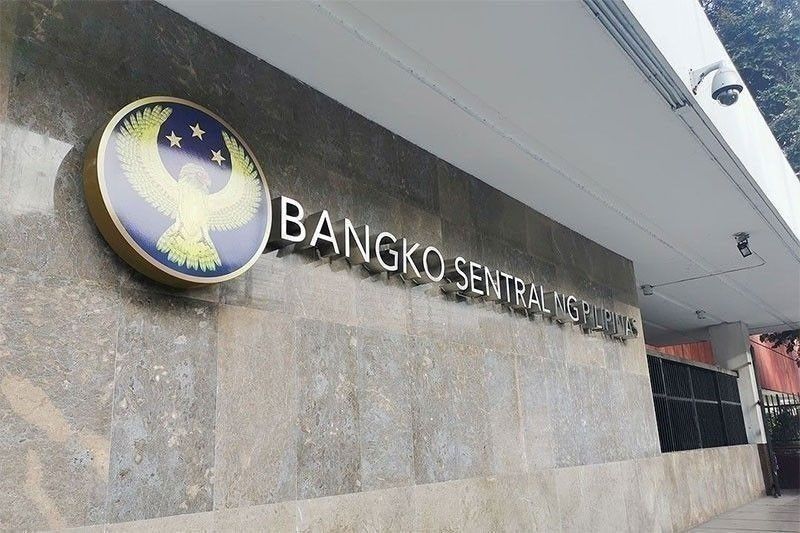
The Bangko Sentral ng Pilipinas (BSP) has yet to set a firm timeline for the approval of new digital bank licenses as applications remain under evaluation and are subject to further documentary and corporate requirements. In an ambush interview, BSP Deputy Governor Lyn Javier said the Monetary Board may decide on new digital bank license applications within the year, although the timing would depend on how quickly applicants complete regulatory requirements after the central bank’s evaluation. She said the applications are now in “varying stages,” but declined to disclose the number of applicants or identify the interested parties. “We will announce in due time,” Javier said. “Because there are factors that we’re also considering in the application.” Asked if a decision could be made within the year, Javier said: “Hopefully.” The BSP lifted the moratorium on new digital bank licenses in January 2025, allowing up to 10 digital banks to operate in the country. There are currently six licensed digital banks, namely Overseas Filipino Bank, Tonik Digital Bank, UNOBank, UnionDigital Bank, GoTyme Bank and Maya Bank. This leaves room for as many as four new digital banks, subject to BSP approval. However, Javier said the process does not end with the BSP’s assessment, as applicants still need to comply with documentary and corporate requirements, including those involving the Securities and Exchange Commission (SEC). “Even if we approve the granting of a license, they still have to process their articles of incorporation and bylaws, which is beyond the control of the BSP,” Javier said. The BSP official said the length of the process would depend on how fast applicants can comply with the requirements of both the central bank and the SEC. The BSP earlier closed the application window for new digital bank licenses starting Dec. 1, 2025, saying it wanted to balance financial innovation with financial stability. The central bank had said applicants would be evaluated based on their governance, risk management framework and value proposition. Javier said the BSP is carefully reviewing the applications, including the proposed business models and the fitness and propriety of the owners, directors and officers. “We have to look at the fitness and propriety of the owners, the proposed directors and officers,” she said. “As you go through the process as well, you have to go back to the applicant and ask these questions. We have to vet it thoroughly.” Javier said the BSP is also assessing whether applicants can offer a viable value proposition that would benefit the banking industry and consumers. But she clarified that the rigorous review is not unique to digital banks, as all bank license applications undergo the same process.

多角的分析

経済的影響

フィリピンのデジタル銀行免許発行遅延は、金融包摂の拡大という目標達成に影を落とす。デジタル銀行は、従来の銀行サービスが届きにくい地方や低所得者層への金融アクセスを改善する可能性を秘めている。免許発行の遅れは、これらの層がより手頃で利便性の高い金融サービスを利用できる機会を遅らせることを意味する。また、国内のフィンテック産業の成長にも影響を与え、競争の鈍化やイノベーションの遅延につながる可能性がある。これは、フィリピン経済のデジタル化推進という長期的な目標にも影響を及ぼす。

投資家心理

デジタル銀行免許の発行遅延は、フィリピンのフィンテック分野への投資家にとって不確実性を高める要因となる。潜在的な新規参入者の動向が不明確なため、既存のデジタル銀行や新規参入を計画している企業は、将来の市場シェアや収益性に関する詳細な予測を立てることが困難になる。特に、大胆な投資を検討している海外投資家にとっては、規制当局の審査プロセスと透明性の欠如が、投資判断を慎重にさせる可能性がある。これは、フィリピンのデジタル経済への資本流入を抑制するリスクをはらむ。

社会的影響

デジタル銀行免許の発行遅延は、特に金融サービスへのアクセスが限られているフィリピン国民、とりわけ地方の住民や低所得者層に直接的な影響を与える。これらの人々は、より迅速かつ安価に利用できるデジタル金融サービスを待ち望んでいる。免許発行が遅れることで、彼らが送金、貯蓄、ローンなどの基本的な金融サービスをより便利に利用できる機会が失われ、経済的な自立や生活水準の向上に向けた一歩が遅れることになる。また、デジタル銀行は、従来の銀行が手薄な地域での金融包摂を促進する可能性を秘めているため、その遅延は社会的な格差の是正という観点からも懸念される。例えば、マニラ首都圏外に住む人々が、オンラインでの貯蓄口座開設や少額融資を迅速に利用できない状況が続く可能性がある。

市民の声

フィリピン中央銀行(BSP)によるデジタル銀行免許の発行審査が長引いていることは、多くのフィリピン市民、特にテクノロジーに精通した若年層や、従来の銀行サービスへのアクセスが限られている地方住民にとって、金融サービスの選択肢が広がる機会を遅らせることを意味する。Maya BankやGoTyme Bankのような既存のデジタル銀行は利便性を提供しているが、さらなる競争と多様なサービスが登場することへの期待は大きい。免許発行の遅延は、より競争力のある金利や手数料、革新的な金融商品へのアクセスを遅らせる可能性があり、市民の金融リテラシー向上や経済的エンパワーメントの機会を制限する懸念がある。これは、国民がより効率的かつ経済的に資金を管理し、投資する機会を遅らせることにつながる。

背景・歴史的文脈

フィリピンでは、金融包摂の拡大が長年の課題となっている。2020年、フィリピン中央銀行(BSP)は、金融イノベーションを促進し、より多くの国民に金融サービスを提供するため、デジタル銀行の免許発行を可能にする規制を導入した。2025年1月には、最大10行のデジタル銀行の運営を許可する方針が示され、既存の6行に加え、最大4行の新規参入の道が開かれた。しかし、申請プロセスの複雑さ、特に書類上の要件やSEC(証券取引委員会)との連携、そして申請者の適格性審査の厳格さが、免許発行の遅延要因となっている。BSPは、金融安定性を維持しつつイノベーションを推進するという二重の目標を達成するために、慎重な審査を行っている。

原文ソース

Philstar Business

原文を読む