Rare White Monkey Sighted in Sultan Kudarat, Authorities Enhance Protection Measures
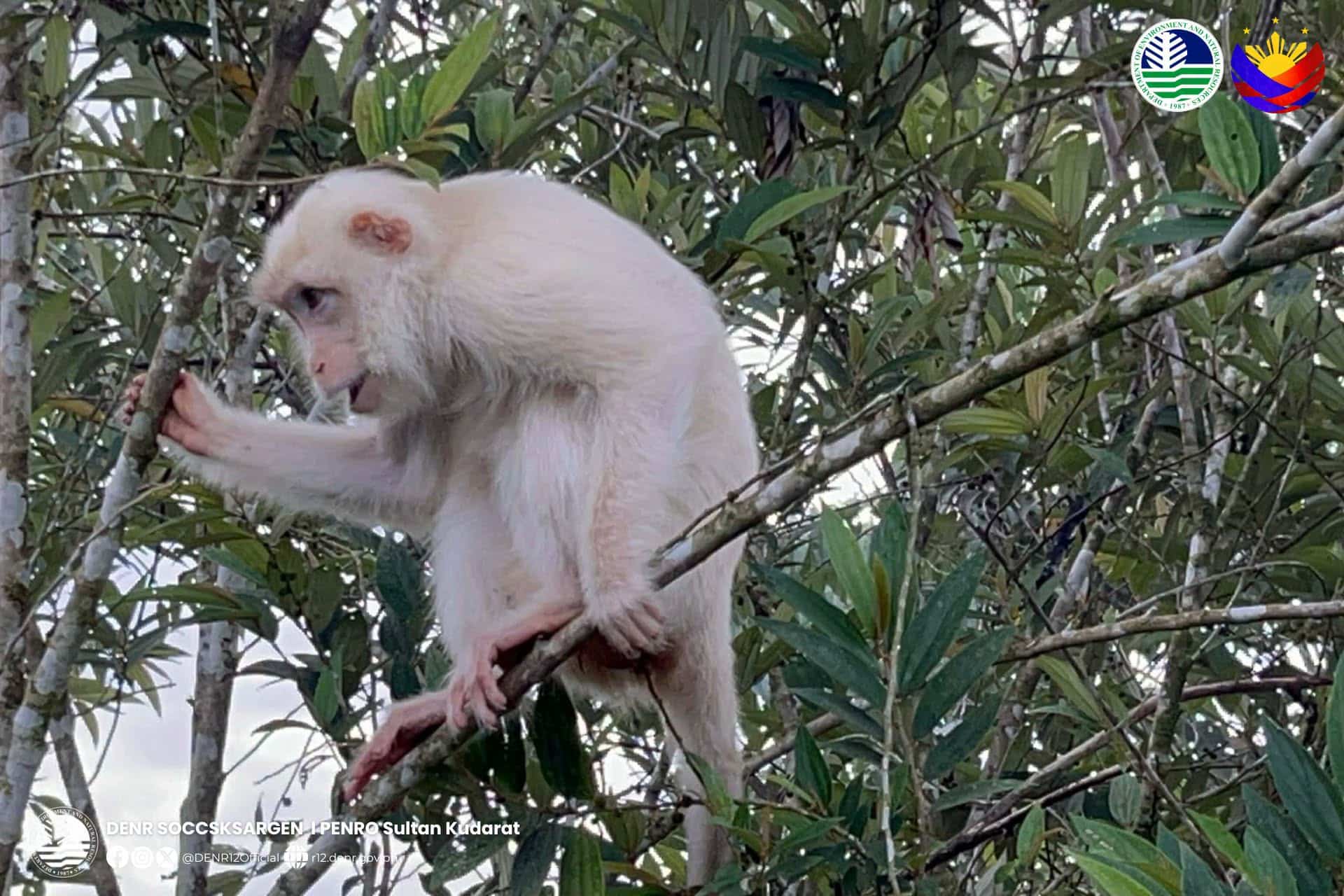
A rare white monkey, believed to be a Philippine long-tailed macaque, has been spotted in Sultan Kudarat, prompting authorities to enhance protection measures for the animal and its habitat. Initial assessments suggest it may have leucism or another pigmentation condition, not albinism.
A rare white monkey, believed to be a Philippine long-tailed macaque, has been sighted in a forested area in Barangay Bugso, Senator Ninoy Aquino, Sultan Kudarat since July 1, prompting authorities to tighten measures to protect the animal and its habitat. The monkey was first captured on video by indigenous tour guide John Danda, who immediately reported the sighting to the municipal tourism office. Residents said they had heard stories about a white monkey living in the area, with some claiming they often saw it as early as 6 a.m. The recent video, however, is believed to be the first documentation of the animal. In a social media post by the Department of Environment and Natural Resources – Region 12 (DENR-12), it said that initial assessment found that the animal has brown eyes instead of the pink or red eyes commonly seen in albino animals. This suggests it may have leucism or another pigmentation condition that causes white fur while leaving the eyes their normal color, it said. Wildlife experts still need to conduct scientific examinations before its condition can be confirmed, DENR-Soccsksargen said. In addition, the department warned that the growing attention surrounding the monkey could lead to disturbance, poaching, illegal hunting, wildlife collection, and trafficking. Protecting wildlife in the Philippines is a crucial task for maintaining biodiversity and ecological balance, and the discovery of such a rare individual highlights the need for conservation efforts.
多角的分析
このニュース自体に直接的な経済的影響は少ないが、野生生物の保護はエコツアーや地域経済の活性化につながる可能性がある。しかし、密猟や違法取引のリスクが高まることは、長期的な観光資源の喪失につながりかねない。フィリピン経済において、自然保護は持続可能な観光業の基盤であり、その維持は不可欠である。
直接的な投資機会に乏しいニュースである。しかし、野生生物保護への関心の高まりは、将来的なエコツーリズム関連のインフラ投資や、保護活動を行うNGOへの寄付といった間接的な資本の流れを生む可能性を示唆する。ただし、密猟リスクは地域経済の不安定要因となりうる。
スルトンクダラット州のブルソ村で発見された珍しい白いサルは、地域住民の間に驚きと関心をもたらしている。先住民ツアーガイドによる発見と通報は、地域コミュニティの自然への関与を示唆する。一方で、動物への過度な注目が密猟や違法取引を誘発する懸念は、野生生物保護における地域社会の役割と責任を浮き彫りにする。特に、先住民コミュニティが長年培ってきた自然との共生関係が、外部からの干渉によって損なわれないかが問われる。
この珍しい白いサルの発見は、スルトンクダラット州の住民にとって、身近な自然への驚きと誇りをもたらす出来事だろう。しかし、その希少性ゆえに、密猟や違法取引の標的になるという懸念は、住民の不安を増大させる可能性がある。彼らは、自分たちの住む地域の自然が守られることを望む一方で、その保護活動にどのように貢献できるのか、あるいはどのように影響を受けるのかを注視しているはずだ。
背景・歴史的文脈
フィリピンは世界有数の生物多様性を誇る国であり、多くの固有種が生息している。しかし、森林破壊、密猟、違法取引などにより、多くの野生生物が絶滅の危機に瀕している。フィリピン長尾ザルも、生息地の破壊や狩猟圧により個体数が減少傾向にある種の一つである。過去には、同様の珍しい野生生物の発見が、保護活動の機運を高める一方で、密猟者の標的となる事例も報告されており、保護体制の強化が常に求められている。
原文ソース
Inquirer NewsInfo