Philippines Expands School Feeding Program Nationwide to Combat Malnutrition
Politics
2026年7月8日
3
BusinessWorld Nation

Philippines Expands School Feeding Program Nationwide to Combat Malnutrition

AI サマリー

The Philippine government has announced the nationwide expansion of its School-Based Feeding Program (SBFP) amid a rise in childhood malnutrition rates. This initiative will provide nutritious meals to all kindergarten and Grade 1 students, with additional support for severely underweight children.

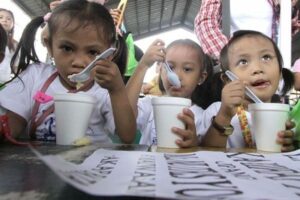
The Philippine government on Wednesday launched the expansion of the School-Based Feeding Program (SBFP) amid a nationwide rise in the stunting rate among children. “We have a feeding program before but it was limited because we still had to determine who was undernourished, who was not eating properly, and therefore unable to study well,” President Ferdinand R. Marcos Jr. said in Filipino during his speech. “We should no longer have to choose who will receive assistance and who is excluded from the feeding program,” he added. Under the revamped SBFP, all kindergarten and Grade 1 students are set to receive nutritious meals, including hot meals and milk, regardless of their nutritional status. Severely wasted and wasted students in Grades 2 through 6 will also receive nutritional support. “We know that one reason young people are sometimes unable to study well is because they do not have enough to eat,” Mr. Marcos said. “We have removed that problem, so we can be sure that all students who go to school no longer have to worry about their next meal,” he added. “The government will provide the assistance, and the government will provide the food.” Education Secretary Juan Edgardo “Sonny” M. Angara noted that the expansion marks a historical first for the feeding program. “This is historical… This is the first time that [it will run] throughout the whole school cycle, meaning the whole school year, 180 days minimum, the children will be fed,” he told reporters in Filipino during an interview. “Under the Marcos administration, the school feeding program has really expanded,” he added. Data from the Department of Science and Technology – Food and Nutrition Research Institute (DOST-FNRI) showed that the stunting rate among children under five has reached 25.3%, up by 1.7% in 2023. The agency further underscored that stunting affects 18.9% of school-age children between five and 10 years old, and 21.4% of those aged between 10 and 19 years old. 18.6% of school-age children are likewise underweight, with prevalence rates up to 24% in regions such as the Bangsamoro Autonomous Region in Muslim Mindanao (BARMM) and the Zamboanga Peninsula. The Department of Education (DepEd) has allocated P25.6 billion for SBFP in School Year 2026-2027, up from P11.8 billion in the previous year. It is expected to benefit 4.63 million learners nationwide. — Almira Louise S. Martinez

多角的分析

経済的影響

学童給食プログラムの拡充は、子供たちの長期的な人的資本形成への投資であり、将来の生産性向上に寄与する。しかし、P256億ペソという巨額の予算は、財政への圧迫要因となり得る。特に、フィリピン経済がインフレやグローバル経済の不確実性に直面する中、この支出が他の開発プロジェクトや社会福祉プログラムから資金を奪う可能性も考慮する必要がある。食料価格の変動は、プログラムの継続性と効果に影響を与えるリスク要因となる。

投資家心理

このニュースは、BPO産業など、フィリピンの人的資本に依存するセクターにとって間接的にポジティブなシグナルとなる。教育水準と健康状態の改善は、将来の労働力の質を高めるため、長期的な投資家にとっては魅力的である。しかし、政府支出の増加は、財政赤字の拡大やインフレ懸念を通じて、短期的なマクロ経済リスクを高める可能性があり、これが投資家心理に影響を与えることも考えられる。

社会的影響

栄養失調率の上昇は、特に地方や貧困層の子供たちの学習機会と健康に深刻な影響を与えている。SBFPの拡充は、これらの子供たちに直接的な恩恵をもたらし、教育格差の是正に貢献する可能性がある。しかし、プログラムの実施においては、食料の質、配布の公平性、そして教職員の負担増といった課題が伴う。特に、バンサモロ自治区やザンボアンガ半島のような栄養失調率が高い地域へのきめ細やかな支援が求められる。

市民の声

今回の給食プログラム拡充は、多くの家庭、特に経済的に困難な家庭にとって、子供の健康と教育への大きな安心材料となる。子供たちが学校で栄養のある食事を得られることは、家庭の食費負担を軽減し、子供たちの学習意欲と集中力を高めることが期待される。しかし、地方部や遠隔地へのプログラムの行き届き方、食料の安全基準、そして教員の負担増加といった点は、市民生活に直接関わる課題として注視されるべきである。

背景・歴史的文脈

フィリピンでは、子供の栄養失調、特に発育阻 Geçmiş、は長年にわたる社会問題である。2010年代初頭から、政府は学童給食プログラム(SBFP)を導入し、栄養失調の子供たちへの支援を試みてきた。しかし、過去のプログラムは対象者が限定的で、予算も十分ではなかったため、その効果は限定的であった。近年のデータでは、特にパンデミック以降、経済状況の悪化や食料価格の高騰により、子供たちの栄養状態が悪化していることが示されている。今回のマルコス政権によるプログラムの大幅な拡充は、こうした現状への危機感と、人的資本への投資を重視する政権の意向を反映したものと言える。

原文ソース

BusinessWorld Nation

原文を読む