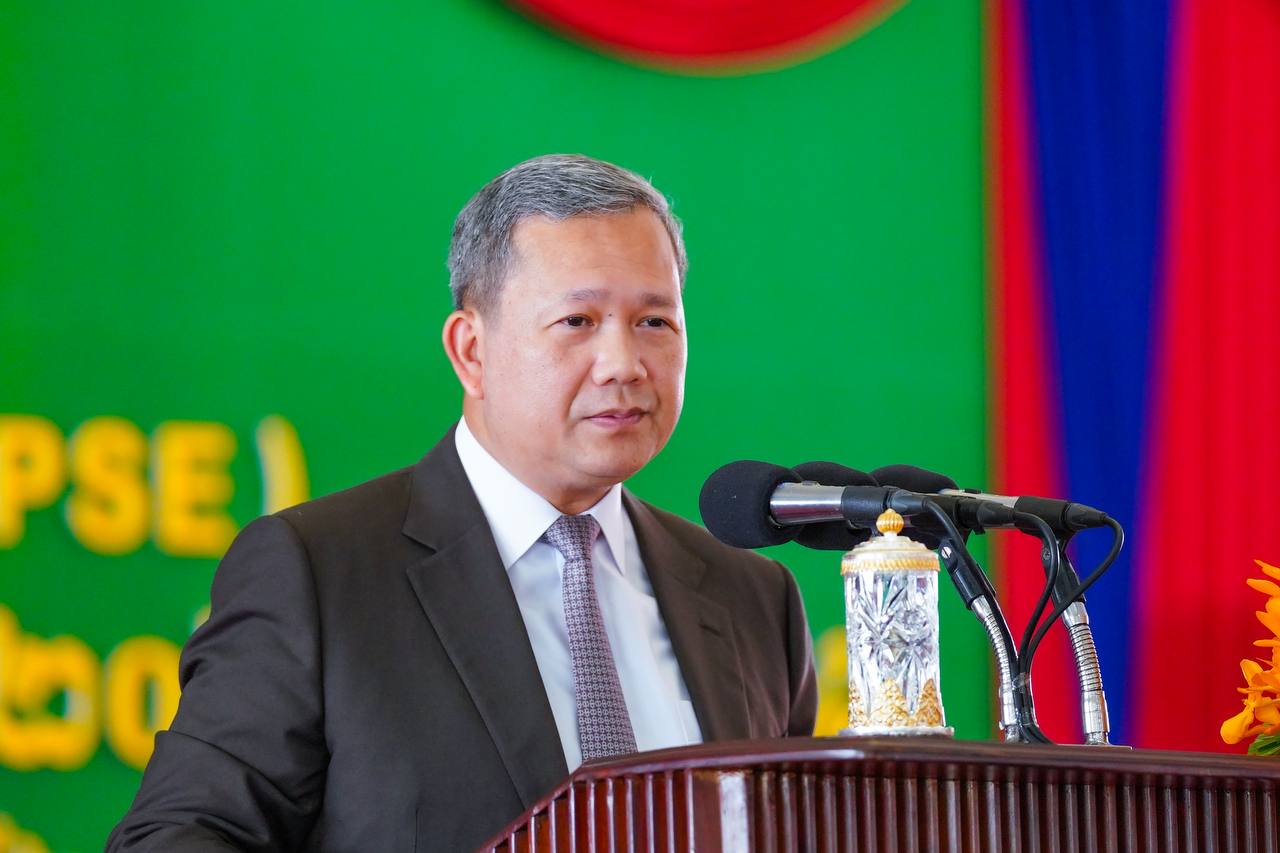
PM Hun Manet Emphasizes Education's Crucial Role, Calls for Home and Community Involvement
Cambodian Prime Minister Hun Manet stated that education's success hinges not only on schools but also on active involvement from homes and communities. Speaking at the 30th anniversary of the Organization for the Smile of Children (PSE) and a graduation ceremony for 500 students, he urged guardians to invest in their children's education.
Prime Minister Hun Manet of Cambodia has emphasized that educational success cannot be achieved solely within school walls, but requires integrated learning from home, community, and beyond the classroom. This statement was made on July 2, 2026, when the Prime Minister and his wife, Dr. Pich Chanmony Hun Manet, presided over the 30th anniversary of the Organization for the Smile of Children (PSE) and a graduation ceremony for 500 students (319 women) who received degrees at the Technical Bachelor, Higher Technical Diploma, and Technical and Vocational Certificate 3 (C3) levels. The Prime Minister highlighted the importance of sacrifices made by parents, especially those from economically challenging backgrounds, to ensure their children have learning opportunities. He stated that parental encouragement and the provision of a conducive learning environment are crucial for educational success. Furthermore, the Prime Minister stressed that families play a central role in encouraging students and providing learning opportunities, regardless of whether they are in affluent, middle-class, or impoverished communities. He urged guardians to continue additional education at home, in addition to sending their children to school. "Education cannot be learned only in school. It must be learned in school, at home, and in the community. However, home and school are the most important. If students study at school but return home and parents do not encourage them or value them, it will be difficult for them to continue learning. If they study but go home and parents hinder their learning, they may give up," the Prime Minister stated. The Prime Minister also urged parents and guardians to understand that sending their children to study is a form of investment. He explained that enduring some hardship to allow children to receive education is an investment in increasing family resources in the future, enabling children to become self-reliant and later assist their parents. Source: AKP Khmer
多角的分析
フン・マネト首相の発言は、教育への投資が長期的な経済成長の基盤であるというカンボジア政府の認識を反映している。特に、技術・職業資格の授与は、国内産業のニーズに応えるための人材育成を重視していることを示唆する。家庭や地域社会の関与を促すことは、公教育への負担を軽減し、教育の質を向上させるための社会的なリソースを活用する戦略とも考えられる。これは、限られた国家予算の中で、教育分野への投資を最大化しようとする経済政策の一環と捉えられる。
教育への重視は、将来的な労働力の質向上と、それによる国内産業の競争力強化への期待を示唆する。特に、技術・職業分野に重点を置いた教育は、製造業やサービス業など、カンボジアが発展を目指す分野への投資を呼び込む可能性を高める。保護者による教育への投資を促すことは、人的資本への投資を社会全体で分担する姿勢であり、長期的な視点での持続可能な経済発展を目指す投資環境の整備につながると期待できる。
首相の発言は、教育が単なる学校教育に留まらず、家庭や地域社会が担うべき重要な役割を再認識させるものである。保護者への「投資」という言葉の使用は、子供の教育を将来の家族全体の繁栄に繋がるものとして位置づけることで、教育への参加を促す意図がある。経済的に困難な家庭への配慮も示されており、社会全体の教育格差の是正に向けた取り組みの一環とも考えられる。ただし、家庭の経済状況や保護者の教育への理解度によって、この呼びかけの実効性には差が生じる可能性がある。
首相の呼びかけは、多くのカンボジア市民、特に子供を持つ保護者にとって、教育の重要性を改めて認識させる機会となるだろう。経済的に厳しい家庭にとっては、子供の教育のためにさらに負担が増えるのではないかという懸念も生じるかもしれない。一方で、子供の将来のために教育への投資を惜しまないという首相の姿勢は、多くの保護者に共感を呼び、家庭での学習支援への意欲を高める可能性がある。地域社会の連携強化は、教育リソースの共有や相互扶助の機会を生み出すことも期待される。
背景・歴史的文脈
カンボジアでは、ポル・ポト政権下で教育システムが壊滅的な打撃を受けた後、教育復興が長年の課題となっている。近年の経済発展に伴い、教育への投資は増加傾向にあるが、依然として質の向上や格差是正が求められている。フン・マネト首相は、教育を「人的資本開発」の最重要分野と位置づけ、特に科学技術、工学、数学(STEM)分野や職業訓練の強化を推進している。本件は、こうした背景のもと、教育の質を高めるための包括的なアプローチとして、家庭や地域社会の役割を改めて強調するものである。
原文ソース
AKP Khmer