General articles are free for 24 hours after publish.
Cambodia Accelerates Domestic Supply Chain Development Ahead of 2029 Trade Status Shift
Cambodia is urgently strengthening domestic supply chains and attracting Japanese SME investment ahead of its 2029 graduation from Least Developed Country (LDC) status and the subsequent loss of preferential trade terms. The Industry Minister highlighted this transition as a "test" of the nation's competitiveness.
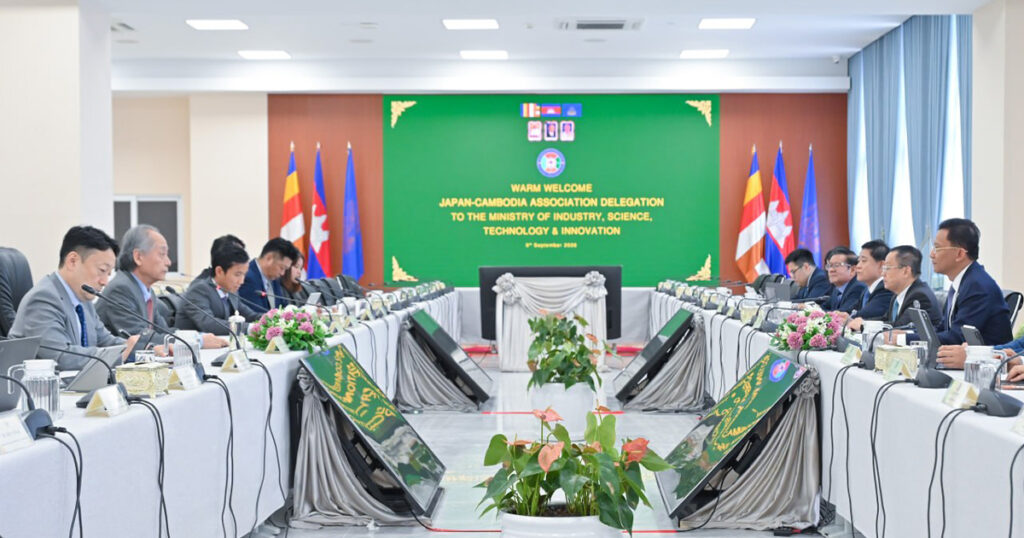
PHNOM PENH, Sept 10, 2026 (KPT) — Cambodia is accelerating efforts to bolster its domestic supply chains and attract investment from Japanese small and medium-sized enterprises (SMEs) in anticipation of its graduation from Least Developed Country (LDC) status in 2029. This transition will result in the loss of preferential trade terms. Industry Minister Hem Vandy informed a visiting delegation from the Japan‑Cambodia Association (JCA) that the LDC graduation represents a "critical turning point" and a significant "test" that will determine Cambodia's future competitiveness. He emphasized the urgent need to secure raw materials and establish robust supply chains to support domestic manufacturing. Currently, Cambodia benefits from duty-free, quota-free access to major markets like the European Union under its "Everything But Arms" (EBA) initiative, thanks to its LDC status. Losing this status is projected to expose exporters, particularly in the garment and footwear sectors, to higher tariffs unless alternative trade arrangements are secured or national competitiveness is enhanced. The JCA delegation, led by former Japanese ambassador Fumiaki Takahashi, presented a 2026 strategy focusing on vocational training, agro-industry, and the digital sector. Pilot projects include golden silk processing for cosmetics, tilapia farming, pineapple processing, and digital ventures. The association plans to organize a business mission of 20–30 companies in November, aiming to attract more Japanese SMEs and facilitate joint ventures with Cambodian firms. Minister Vandy urged increased investment in supporting industries for garments, automotive, and machinery sectors, stating that such investments are crucial for preparing Cambodia for a more competitive global trade environment post-2029. Discussions also covered technology transfer and intellectual property protection, with both sides agreeing to convert proposed projects into concrete investments as part of ongoing cooperation planned for 2027. Source: Kampuchea Thmey English
Original source
Kampuchea Thmey English