General articles are free for 24 hours after publish.
Wat Phra Mahathat: 1,500 Years of Heritage Recognized as World Heritage Site
Wat Phra Mahathat in Nakhon Si Thammarat, Thailand, has been recognized as a UNESCO World Heritage site for its over 1,500 years of history. This marks the first World Heritage site in southern Thailand, signifying the region's and Southeast Asia's rich religious and cultural exchange.
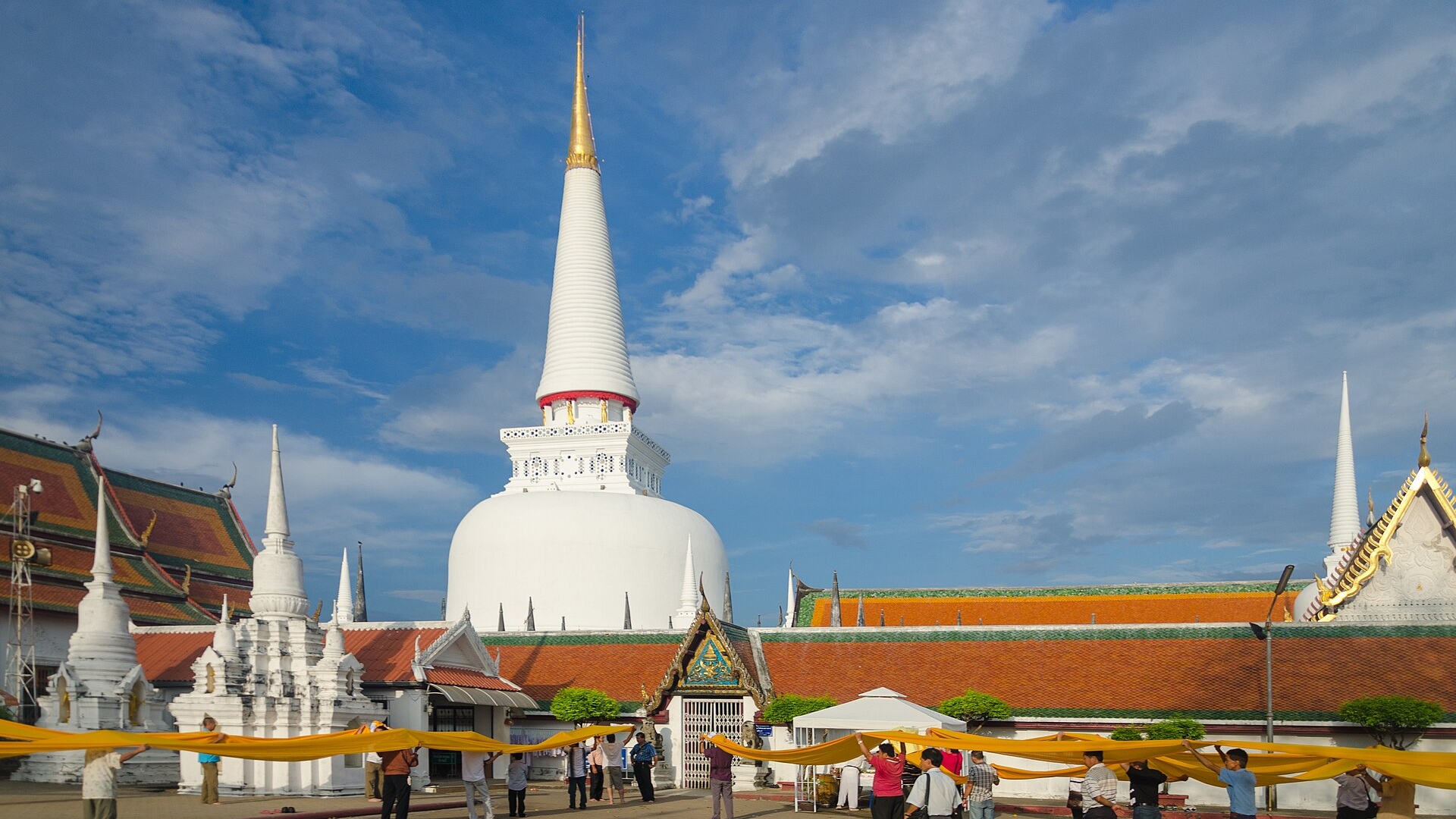
NAKHON SI THAMMARAT — Wat Phra Mahathat Woramahawihan, standing at the heart of Nakhon Si Thammarat for over 1,500 years, represents more than just a place of worship. It is a living record of religious exchange, maritime connections, and cultural traditions that shaped Southeast Asia. The temple was recently recognized as Thailand’s ninth UNESCO World Heritage site and the first in the southern region, marking international acknowledgment of its outstanding cultural significance. Situated on the Malay Peninsula, between the Indian and Pacific oceans, Wat Phra Mahathat developed in an area once connected by major maritime trade routes. These networks brought not only goods and merchants but also religious beliefs, artistic styles, and architectural influences from across Asia. Over centuries, the temple absorbed influences from Brahmanism, Hinduism, Mahayana Buddhism, and Theravada Buddhism, with cultural connections stretching from northeastern India and Sri Lanka to central Java and Mon communities in southern Myanmar. These diverse influences were transformed into a unique architectural and spiritual identity that later spread throughout Thailand and other parts of Southeast Asia. At the center of the temple stands the Phra Borom That Chedi, a towering stupa believed by devotees to enshrine relics of the Buddha. According to local tradition, the site was originally an ancient sand dune known as “Hat Sai Kaeo,” where Buddhist relics were discovered before a major religious monument was built there. Beyond its architecture, UNESCO recognized the temple as a living cultural site where traditions continue to be practiced today. Among them is the annual Hae Pha Khuen That festival, where devotees bring long pieces of cloth to wrap around the stupa as an act of devotion. The temple is also connected to Nora, a traditional performing art form from southern Thailand that reflects centuries of local beliefs and storytelling. The recognition of Wat Phra Mahathat is not only about preserving an ancient monument but also protecting the living heritage surrounding it, including rituals, local knowledge, and cultural practices passed down through generations. The journey toward World Heritage status began in 2009 and took 17 years of preparation, reflecting the temple’s importance not only to Nakhon Si Thammarat but also to the wider history of Southeast Asia. Today, Wat Phra Mahathat Woramahawihan stands as a symbol of how cultures, religions, and communities have connected across the region for centuries. The post Wat Phra Mahathat: 1,500 years of heritage appeared first on Khaosod English.
Original source
Khaosod English