Jakarta Not Yet Global City Ready, DPRD Member Highlights Neglected Sanitation
Infrastructure
2026年7月5日
4
VOI English

Jakarta Not Yet Global City Ready, DPRD Member Highlights Neglected Sanitation

AI サマリー

Jakarta City Councilor Jupiter criticized the provincial government's focus on large-scale projects, highlighting delays in basic infrastructure like sanitation and road safety in densely populated areas. He stressed that development must be tangible for residents to achieve global city aspirations.

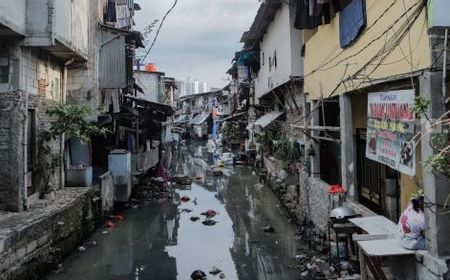
Jakarta City Councilor Jupiter has urged the DKI Jakarta Provincial Government to avoid focusing solely on large-scale projects. He pointed out that many basic service issues, including sanitation, neighborhood road safety, and access to clean water, remain unresolved in densely populated settlements. Jupiter made these remarks after absorbing residents' aspirations during a recess in RW 03 and RW 07, Keagungan Village, Taman Sari District, West Jakarta. He assessed that Jakarta's development would lose its meaning if the community's most basic needs were still neglected. "Development must be felt by the residential area," Jupiter stated. One issue raised by residents in RW 07 was the need for speed bumps and convex mirrors at several points on neighborhood roads to mitigate accident risks due to high vehicle traffic. In response, Jupiter asked the DKI Jakarta Transportation Office to promptly install road safety facilities. Beyond safety, Jupiter highlighted poor sanitation conditions in RW 03, where approximately 120 houses reportedly lack septic tanks, leading to direct dumping of household waste into rivers. He argued that this situation is inconsistent with Jakarta's aspiration to be a global city if basic sanitation needs are unmet. Consequently, Jupiter requested the DKI Jakarta Water Resources Office and the DKI Jakarta Housing Office to allocate budgets for constructing communal sanitation facilities in densely populated areas. He emphasized that the government must fulfill basic services and cannot solely rely on corporate assistance through social responsibility programs. Jupiter revealed that similar sanitation problems are present in Palmerah, South Sukabumi, and Serengseng. He expressed hope that the equalization of basic services would be a priority in Jakarta's development, ensuring that the benefits of development are truly felt by the community at the neighborhood level.

多角的分析

経済的影響

ジャカルタ市政府の財政が、大規模インフラプロジェクトに偏重している現状は、都市開発における資源配分の歪みを示唆している。住民生活に直結する衛生や道路安全といった基礎サービスへの投資不足は、長期的に見て公衆衛生の悪化や事故増加による医療費・損害賠償費の増大を招き、結果として都市全体の経済的負担を増加させる可能性がある。また、これらの基礎インフラの未整備は、新たな企業誘致や投資を阻害する要因にもなり得る。

投資家心理

投資家にとって、ジャカルタのインフラ開発における優先順位の不明確さは、リスク要因となり得る。大規模プロジェクトへの注力は、短期的な経済効果を期待させる一方で、住民の生活基盤となる基礎インフラへの投資不足は、都市の持続可能性や生活の質を低下させ、長期的な投資環境の魅力を損なう可能性がある。特に、衛生問題の未解決は、公衆衛生リスクとして認識され、不動産開発や関連産業への投資判断に影響を与える可能性がある。

社会的影響

ジャカルタの密集住宅地における衛生問題は、住民の健康と生活の質に直接的な影響を与えている。特に、浄化槽のない世帯が河川に直接排水している状況は、水質汚染を引き起こし、感染症のリスクを高める。また、近隣道路へのスピードバンプや凸面鏡の設置要求は、子供たちの安全な通学路の確保や、高齢者の移動における不安を反映しており、地域住民の安全への切実な願いを示している。これらの問題が放置されれば、地域住民の不満が高まり、社会的な格差の拡大にも繋がりかねない。

市民の声

ジャカルタ市民、特にジュピテル氏が視察したタマンサリ地区の住民は、開発の恩恵を実感できていないと感じている。大規模な建設プロジェクトが進む一方で、自宅の近くで河川が汚染され、子供たちが安全に遊べない、あるいは安心して道路を横断できないという現実は、市民生活の質に直結する問題である。市政府が掲げる「グローバル都市」という目標が、自分たちの日常生活の改善に繋がらないという不満は、市民の行政への信頼を揺るがしかねない。

背景・歴史的文脈

ジャカルタは、インドネシアの首都として急速な都市化と人口増加を経験してきた。特に1990年代以降、経済成長に伴い大規模なインフラ開発が進められてきたが、その一方で、急速な人口増加と都市スプロール化に対応するための基礎的な都市サービス、特に密集した低所得者層地域における衛生インフラの整備は遅れがちであった。過去にも、洪水や公衆衛生問題は繰り返し指摘されており、政府はこれらの問題への対応を迫られてきたが、開発優先の政策が、住民生活に密着したインフラ整備の遅れを招いた構造がある。

原文ソース

VOI English

原文を読む