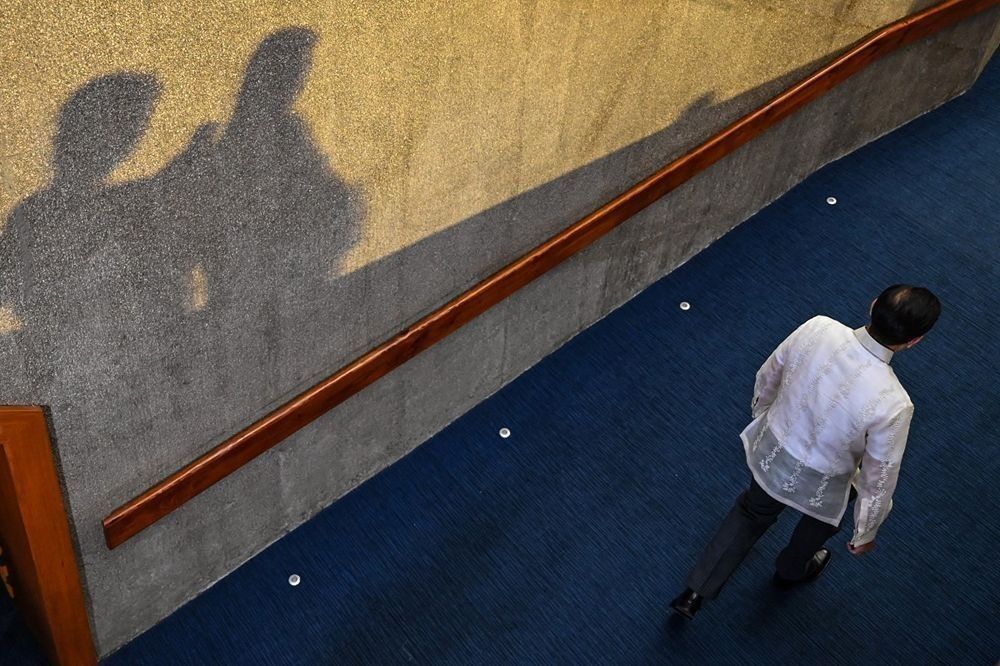
Marcos Jr. Highlights Key Energy Policy Areas in SONA 2026
Philippine President Marcos Jr. outlined key energy policy areas in his 2026 State of the Nation Address (SONA), including the removal of system loss (SL) charges to lower electricity bills, expanding power generation with a focus on renewables, developing domestic oil and gas, and embracing nuclear energy. The proposal to eliminate SL charges, in particular, has sparked debate regarding its feasibility and impact.
This article requires PRO
This article is outside the free access window or is a special report. PRO unlocks it and the full archive.
Related articles
- Philippines Adopts Human Rights-Based Analysis for Energy Solutions
The Philippines' Department of Energy is implementing a human rights-based multi-criteria decision analysis to address energy issues, focusing on access, reliability, and sustainability. This approach aims to ensure energy solutions benefit the public, while the government also tackles system loss charges impacting consumers.
- Philippines to Establish Energy Center for Excellence
The Philippine Department of Energy (DOE) will establish an Energy Center for Excellence, following the inauguration of its first Energy Museum. Secretary Sharon Garin announced the plan during the 25th anniversary of the Electric Power Industry Reform Act (EPIRA), aiming to create a premier hub for energy expertise.
- Marcos Reaffirms PH's 50% Renewable Energy Target by 2040
Philippine President Ferdinand R. Marcos, Jr. has reaffirmed the government's goal to achieve 50% renewable energy in the country's power generation mix by 2040. The administration also aims for 35% by 2030, up from the current approximately 25%.
- Marcos Reaffirms PH Goal of 50% Renewable Power by 2040
President Ferdinand Marcos Jr. reaffirmed the government's goal to source half of the Philippines' power generation from renewables by 2040 during the opening of the country's first interactive Energy Museum.