General articles are free for 24 hours after publish.
Marcoleta Asserts Right to Vote in Impeachment Trial Amid Detention
Senator Rodante Marcoleta has asserted his right to vote as a senator-judge in the impeachment trial, despite his current detention, in a letter submitted amidst discussions on the voting threshold for the Vice President's impeachment.
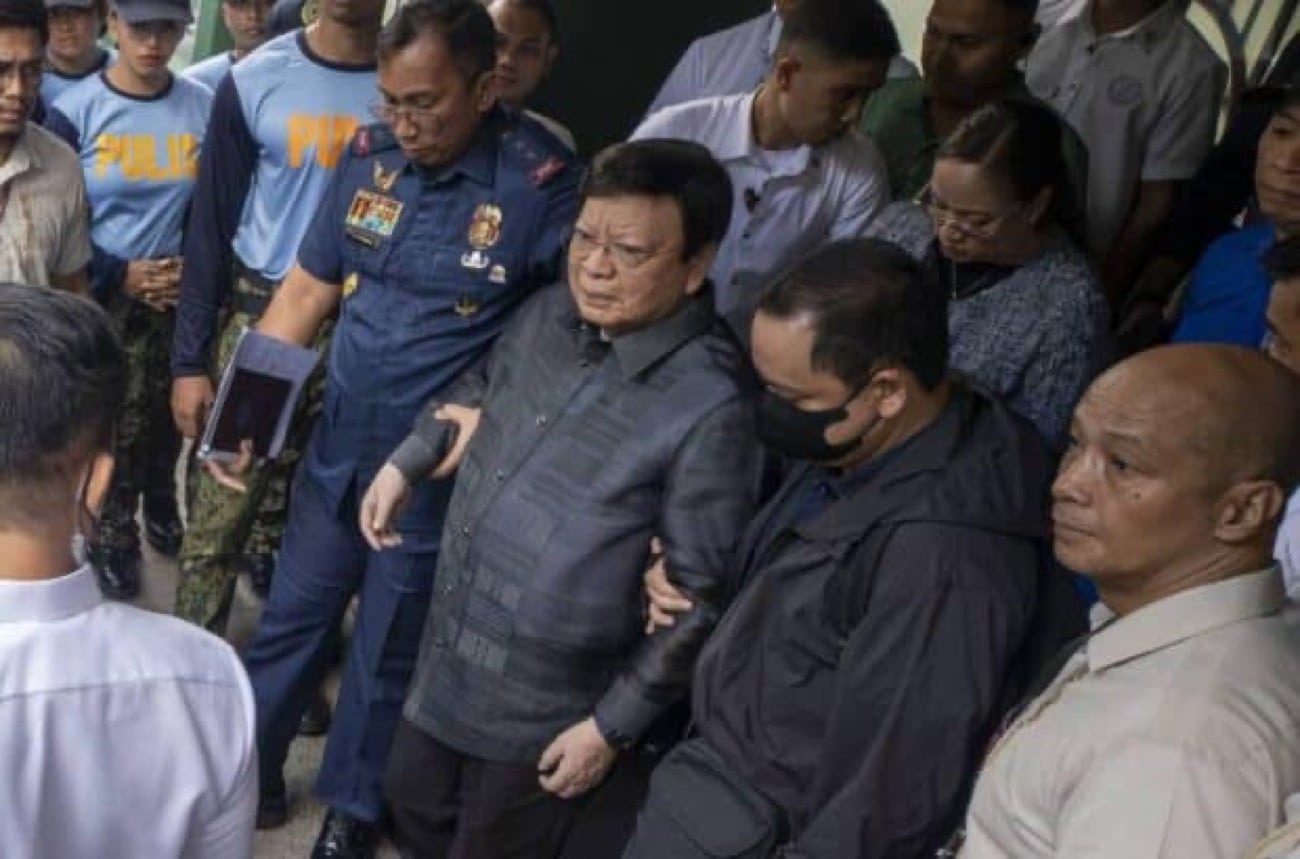
MANILA, Philippines — Sen. Rodante Marcoleta has asserted his ability to vote as a senator-judge in Vice President Sara Duterte’s impeachment trial despite his detention in a July 20, 2026, letter to Senate President Sherwin Gatchalian and Presiding Officer Francis “Chiz” Escudero. Marcoleta’s office released the letter Wednesday after senator-judges raised the possibility of revisiting Escudero’s ruling that 16 votes would be required to convict Duterte. Escudero made the ruling with only 21 senator-judges able to participate in the trial following the arrest of Marcoleta and Sen. Jinggoy Estrada, both on plunder charges, and Sen. Ronald “Bato” dela Rosa’s hiding amid an arrest warrant issued by the International Criminal Court (ICC). “There is no impairment to my legal capacity to vote as a Senator-judge for I am not under preventive suspension,” Marcoleta wrote. READ: Gatchalian: Up to court if Marcoleta, Estrada can join impeachment trial He cited the Senate Rules on impeachment, which state: “The president of the Senate shall, in the event any senator cannot personally cast his/her vote due to any valid reasons, prescribe the manner and procedure on how the vote shall be cast and communicated to the chamber.” Marcoleta said that, in his interpretation of the rule, senators “driven into hiding, detained, suspended, hospitalized but not permanently incapacitated or even temporarily abroad do not lose their seats in the Senate.” He added that there should be no “constitutional obstacle” to his participation in the impeachment trial, and that the same should apply to Estrada and “others who may be subjected to political persecution and detention.” “Limitations to my legal capacity to perform the functions of senator-judge are not insurmountable. Historically and realistically, there is no constitutional obstacle to the adoption by the Senate of means to overcome such limitations in order to ensure equality of arms between the prosecution and defense,” Marcoleta further said. In the same letter, he voted in favor of Escudero’s ruling on the voting threshold. Apart from the Constitution’s provision that “no person shall be convicted without the concurrence of two-thirds of all the members of the Senate,” Marcoleta noted that there was no objection to Escudero’s ruling when it was made. “There were 21 senator-judges present. No one objected to the foregoing ruling. It is therefore the prevailing ruling of the impeachment court. I vote in favor of the foregoing ruling and reasoning,” he wrote. READ: Senate impeachment court revisiting ‘2/3’ conviction rule But Marcoleta opposed the designation of Escudero as presiding officer — a vote supported by 12 of the 24 senators. To recall, on June 3, with the then-majority bloc — led by now Senate Minority Leader Alan Peter Cayetano — absent from the plenary session, the 12 senators voted in favor of electing another senator to serve as presiding officer. It was this vote that allowed the senator-judges to designate Escudero as the impeachment court’s presiding officer. The same 12 senators contended that the number needed for a quorum should be based on the number of senators capable of being present during the session. At that time, dela Rosa and Estrada had been unable to participate because of their respective legal battles. But the minority senators insisted that no quorum was formed that day, as the number should be based on all 24 senators. “The Senate cannot distort the plain meaning of the Constitution by supplying additional exceptions, such as designating a senator other than the Senate president as presiding officer,” Marcoleta stressed. /das
Original source
Inquirer NewsInfo