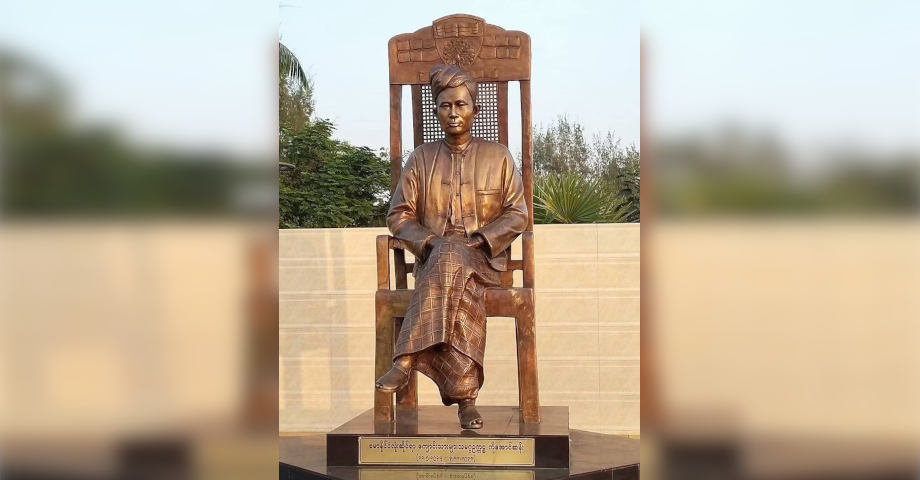
Myanmar Junta Destroys Statues of Independence Hero Gen. Aung San in Yangon
Security
2026年7月4日
1
BNI (Burma News International)

Myanmar Junta Destroys Statues of Independence Hero Gen. Aung San in Yangon

AI サマリー

Myanmar junta forces destroyed two bronze statues of General Aung San—the country’s independence hero and the father of ousted civilian leader Daw Aung San Suu Kyi—in Yangon’s South Okkalapa and Thaketa townships on the

Myanmar junta forces destroyed two bronze statues of General Aung San—the country’s independence hero and the father of ousted civilian leader Daw Aung San Suu Kyi—in Yangon’s South Okkalapa and Thaketa townships on the night of July 1, according to residents. The military regime has escalated its campaign to systematically erase the historical legacy of Gen. Aung San, cutting power to local areas before deploying heavy machinery under the cover of darkness to demolish the monuments. In South Okkalapa, junta forces cut electricity to Thumangalar Park around 10:30 PM before using a backhoe and a jackhammer to dismantle a statue erected in 2017 to mark the General’s 102nd birth anniversary. The female resident of South Okkalapa said, “I feel deeply saddened. Our own money went into building this destroyed statue. However, I believe adhering to a great leader’s teachings and deeds is far more important than physical monuments. The General lives eternally in our hearts. His physical absence does not diminish his legacy. If we love, value, and respect him, we must follow his guidance.” Around 11:00 PM the same night, another statue was destroyed near the local administration office in Thaketa Township’s Mya Kan Thar Park. An official from the Rangoon Scout Network (RSN), which tracks military movements in Yangon, reported that public access to the park has since been blocked, with police and plainclothes security personnel tightly monitoring the site. Analysts and activist networks suggest the military aims to suppress any icons that inspire anti-coup resistance. There are also speculations that the demolitions could be linked to Yadaya—superstitious rituals traditionally used by Myanmar’s military dictators to avert political misfortune and maintain their grip on power. An RSN representative remarked: “They appear to be systematically erasing images of General Aung San. As an icon of independence, his image inspires resistance, which is why they are targeting it. Similar to the Than Shwe era, they likely want to preserve only the narrative that he founded the military.” This follows a string of similar demolitions across Myanmar, including statues destroyed in Ye-U, Taungoo, Pathein, Bago, Mandalay, and the military-built capital, Naypyidaw, over recent years.

多角的分析

経済的影響

直接の経済ニュースではありませんが、治安と司法の信頼は地域経済の土台です。職場での暴力や未成年者保護への不安が強まると、夜間営業、観光、雇用、地域サービス業のリスク認識が高まります。

投資家心理

投資家目線では、個別事件よりも法執行の予見可能性が焦点です。加害者への対応が曖昧になれば、ローカルビジネスの統治リスクや従業員保護の弱さとして評価されやすくなります。

社会的影響

タケタ町の現場では、生活上のリスクを「個人間の事件」で片づけず、誰が守り、誰が説明するのかを可視化する圧力が強まります。軍の動きは、被害者側が孤立しやすい環境で、沈黙より手続きを選ぶための足場になります。

市民の声

市民にとっては、自分や家族が被害に遭った時に公正な手続きへアクセスできるのかが最大の関心です。地域団体が声を上げることで、事件の風化を防ぎ、被害者側の孤立を和らげる意味があります。

背景・歴史的文脈

このニュースは、ミャンマーの地域社会で法の支配と弱者保護がどこまで機能しているかを映す事案です。暴力事件そのものに加え、女性団体や市民社会が司法手続きを求めて声を上げている点が重要です。軍政下では警察・司法への信頼が揺らぎやすく、個別事件が地域の不安や統治への不信に直結します。

原文ソース

BNI (Burma News International)

原文を読む