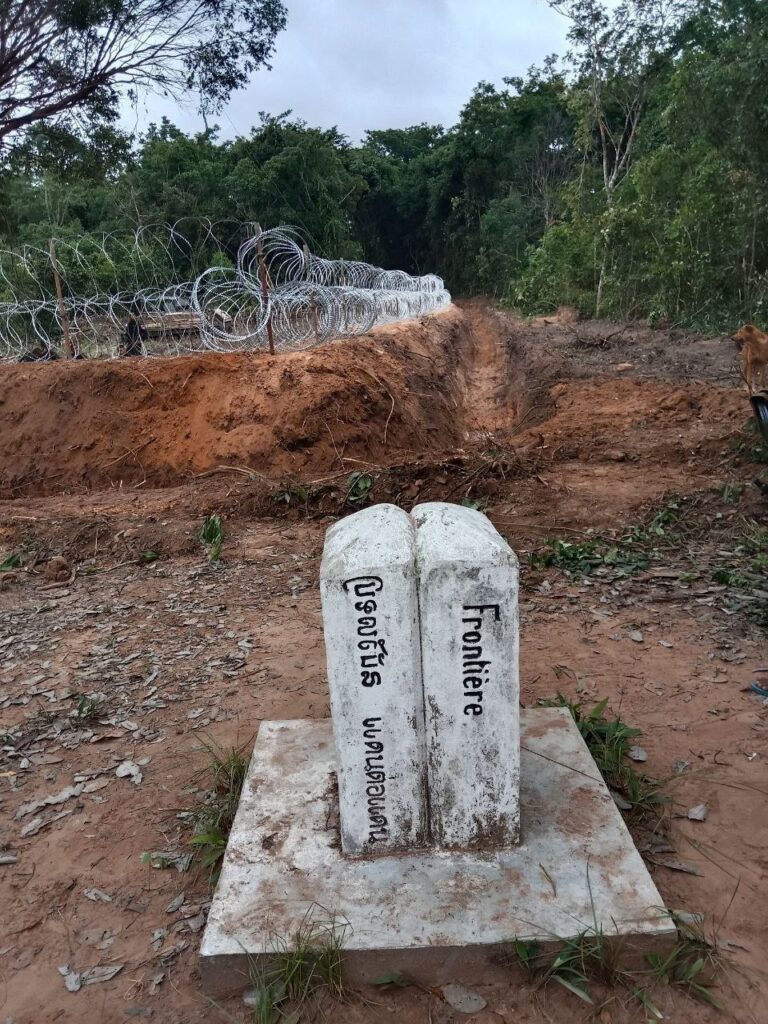
Cambodia Protests Thai Border Encroachments, Demands De-escalation
Cambodia's Ministry of Foreign Affairs has formally protested alleged violations of its sovereignty by Thai military forces along the border, urging Thailand to cease incursions and de-escalate tensions. Phnom Penh emphasized adherence to international law for border dispute resolution.
PHNOM PENH, July 11, 2026 (KPT) — Cambodia has lodged a formal protest against what it called continued violations of its sovereignty by Thai military forces along the frontier, urging Bangkok to halt activities and help de‑escalate tensions, officials said Saturday. In a statement late Friday, the Ministry of Foreign Affairs said Thai troops carried out a series of incursions between July 5 and 9 in Oddar Meanchey province, including earthworks and barbed‑wire installations near Boundary Pillars No. 14 and No. 22. Phnom Penh said the actions amounted to “a clear violation of Cambodia’s sovereignty and territorial integrity” under maps prepared by the 1904 Franco‑Siamese Convention and the 1907 Treaty. The ministry added they breached Article 5 of the 2000 Memorandum of Understanding on boundary demarcation and commitments made at the December 2025 General Border Committee meeting. The government stressed it does not recognize Thailand’s unilateral boundary claims and said the activities would not affect Cambodia’s legal position. It called on Bangkok to cease all such operations, including in areas it says have been unlawfully occupied since last year. Stopping the incursions is vital to reducing tensions, rebuilding trust and restoring peace and stability along the border, the statement said. Cambodia reaffirmed its commitment to resolve boundary issues peacefully under international law, insisting international borders “must not be changed by force.”
多角的分析
国境地帯での緊張は、地域経済に直接的な影響を与える可能性がある。特に、越境貿易や物流が停滞すれば、両国の経済活動に遅延が生じ、サプライチェーンに混乱をもたらす恐れがある。カンボジアは近年、インフラ開発や投資誘致に力を入れており、こうした国境紛争は外国からの投資意欲を減退させるリスクを孕んでいる。タイとの経済関係はカンボジアにとって重要であり、安定した国境は経済発展の基盤となる。
投資家にとって、国境紛争は直接的なリスク要因となる。特に、国境付近に事業拠点を置く企業や、越境物流に依存する企業は、操業停止やコスト増加のリスクに直面する。カンボジアはASEAN経済共同体(AEC)の一員として、地域経済統合の恩恵を受けようとしているが、近隣国との地政学的な不安定さは、投資判断において慎重姿勢を促す。過去の事例では、国境問題が頻発すると、特に短期的なポートフォリオ投資が引き揚げられる傾向が見られる。
国境地帯の住民は、越境活動による土地の占有やインフラ整備(有刺鉄線設置など)によって、生活空間への影響や移動の制限を受ける可能性がある。これは、農業や牧畜を営む人々にとって直接的な生活基盤の侵害となり得る。また、両国間の緊張の高まりは、国境付近に住む人々の間に不安感をもたらし、文化交流や人々の往来にも悪影響を及ぼす可能性がある。過去の国境紛争では、住民の避難や生活再建が長期化するケースも少なくない。
カンボジア国民にとって、国境の安定は国家主権の維持と平和な生活に直結する問題である。タイとの国境問題は、国民の愛国心を刺激する一方で、潜在的な紛争への懸念も生じさせる。政府が国際法に基づき、平和的解決を訴えている点は、国民の支持を得やすいだろう。しかし、もし緊張がエスカレートすれば、経済活動への影響を通じて、国民生活にも間接的な負担が生じる可能性がある。SNS上では、政府の対応を支持する声とともに、平和的な解決を望む声も多く見られると考えられる。
背景・歴史的文脈
カンボジアとタイの国境線は、フランス植民地時代の条約(1904年仏暹条約、1907年条約)に基づいて画定されたが、一部地域では境界標の設置や解釈を巡る問題が長年くすぶっていた。特に、2008年にプレアビヒア寺院の帰属を巡る紛争が激化し、国境地帯での緊張が高まった。その後、両国は国境画定作業を進めることで合意したが、一部地域では依然として領有権を主張する動きが見られ、今回のウドン・メアンチェイ州での越境行為は、こうした歴史的背景と、両国間の微妙な関係性を反映していると考えられる。2025年12月の国境合同委員会での約束にも言及があることから、最近になって問題が再燃した可能性が高い。
原文ソース
Kampuchea Thmey English