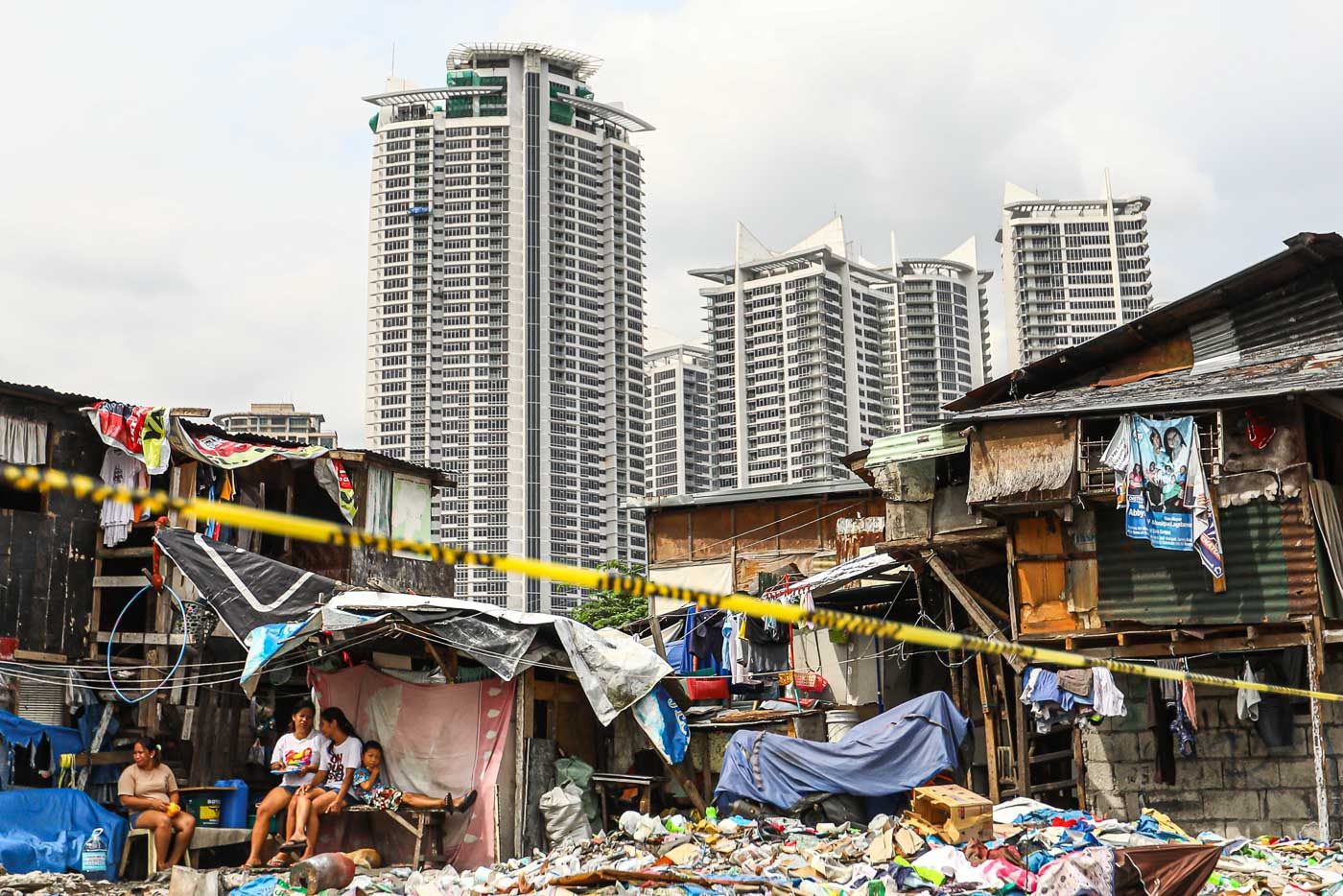
Philippines to provide cash aid to 7.5 million households amid lingering Middle East crisis effects
Technology
2026年7月16日
5
Rappler Philippines

Philippines to provide cash aid to 7.5 million households amid lingering Middle East crisis effects

AI サマリー

The Philippine government will provide cash assistance to 7.5 million households, citing the lingering effects of the Middle East crisis. This initiative, part of the UPLIFT program, targets the poor and low-income workers.

MANILA, Philippines – The government will provide financial aid to 7.5 million households as the country continues to be affected by the Middle East crisis, President Ferdinand Marcos Jr. announced on Thursday, July 16. In a video message, Marcos said the newly introduced financial support, which will benefit around 37.5 million Filipinos, expanded the coverage of UPLIFT or the Unified Package for Livelihoods, Industry, Food, and Transport Program. Here are the beneficiaries of the UPLIFT assistance: One-time cash aid of up to P2,000 for 3.5 million beneficiaries of the Pantawid Pamilyang Pilipino Program (4Ps) and Walang Gutom Program Monthly P2,000 cash aid from July to December for 2.5 million poor and near-poor households identified through the 2024 Community-Based Monitoring System Monthly P2,000 cash aid from July to December for 1.5 million low-income workers and their families validated through the Social Security System The Department of Social Welfare and Development will lead the rollout of the targeted cash assistance program. Marcos said digital channels will also be used to deliver the funds. In a press briefing, Presidential Communications Undersecretary Claire Castro said the Department of Budget and Management already released P12.375 billion for the aid payout on Wednesday, July 15. She said the budget came from government savings following the implementation of economic measures under National Budget Circular Nos. 602 and 603, when Marcos declared a state of national energy emergency in March. Asked whether there would be projects aimed at helping the middle class, Castro said the government is focusing on the most affected sectors for now amid a limited budget. Previously, the government provided fuel subsidies to transport workers, farmers, and fisherfolk to cushion the impact of oil price shocks brought by the United States-Israel war on Iran. The war broke out on February 28, with Iran closing the Strait of Hormuz, a key shipping route. Fragile truces have collapsed multiple times. (READ: Iran warns of ‘existential war’ as US strikes again) Despite recent easing in Dubai crude, pump prices in the Philippines, a net importer of petroleum products, remain high compared to levels before the hostilities began. Just this week, oil firms implemented another round of fuel price hikes. On July 7, National Statistician Claire Dennis Mapa said the Middle East conflict would “still be a major factor to our overall inflation moving forward.” Must Read The Philippines is now upper-middle income. Why doesn’t it feel that way? – Rappler.com

多角的分析

経済的影響

中東危機は、フィリピン経済において、原油価格の変動を通じてインフレ圧力を高める主要因となっています。今回の現金給付は、直接的な家計支援策として、消費の落ち込みを防ぎ、内需を下支えする効果が期待されます。しかし、給付額が限定的であること、および財源が政府の貯蓄に依存していることから、中長期的な経済安定化への寄与は限定的と考えられます。また、フィリピンは石油製品の純輸入国であるため、国際的な原油価格の動向に脆弱であり、持続的な価格高騰は経済成長の足かせとなる可能性があります。

投資家心理

今回の現金給付は、短期的な消費刺激策として一部の小売業や生活必需品関連企業には追い風となる可能性があります。しかし、投資家にとっては、中東情勢の不確実性が依然としてリスク要因です。原油価格のさらなる高騰は、輸送コストの上昇やインフレの加速を招き、企業収益を圧迫する恐れがあります。また、財源が政府貯蓄に依存している点は、財政赤字の拡大懸念に繋がる可能性も否定できません。中長期的な投資判断においては、エネルギー政策の安定化や、より広範な経済構造改革の進展が鍵となります。

社会的影響

今回の現金給付は、最も脆弱な層である貧困層や低所得労働者世帯の生活を直接的に支援するものです。これにより、食料品や日用品へのアクセスが改善され、最低限の生活水準の維持に貢献すると考えられます。しかし、中間層への直接的な支援策が今回は含まれていないため、物価上昇の影響をより強く受ける可能性のある層からは、不満の声が上がることも想定されます。また、給付方法としてデジタルチャネルの活用が示唆されていますが、デジタルデバイド(情報格差)の問題も考慮する必要があり、全ての対象者が円滑に給付を受けられるような配慮が求められます。

市民の声

中東情勢の緊迫化は、フィリピン国民、特に低所得者層にとって、生活必需品、特に食料品や燃料の価格上昇という形で直接的な影響を及ぼしています。今回の政府による現金給付は、こうした家計の負担を一時的に軽減するものであり、多くの家庭にとって朗報と言えるでしょう。しかし、給付額が限られていることや、紛争の長期化によるさらなる物価上昇への懸念は依然として残ります。特に、燃料価格の高騰は、公共交通機関の運賃や物流コストにも波及するため、広範な生活費の上昇につながる可能性があります。

背景・歴史的文脈

フィリピンは石油製品の純輸入国であり、中東情勢の不安定化、特にホルムズ海峡の通航リスクは、原油価格の高騰に直結します。過去にも、2020年の米軍によるイラン革命防衛隊司令官殺害事件や、その後のイランとイスラエルの対立激化など、中東の地政学リスクはフィリピン経済に影響を与えてきました。これらの出来事は、フィリピン国内の燃料価格の上昇を招き、インフレ率を押し上げる要因となってきました。政府はこれまでも、燃料補助金などの対策を講じてきましたが、根本的なエネルギー供給源の多様化や、国内経済のレジリエンス強化が課題となっています。今回の給付策は、こうした構造的な課題への対応というよりは、短期的な影響緩和策としての性格が強いと言えます。

原文ソース

Rappler Philippines

原文を読む