Marcos Admin Launches New Cash Aid for 7.5M Poor Households Amid Oil Price Surge
The Philippine government will provide new cash assistance to 7.5 million low-income households affected by rising oil prices due to the Middle East conflict. The 'Uplift Assistance' program aims to stabilize daily life and maintain economic resilience.
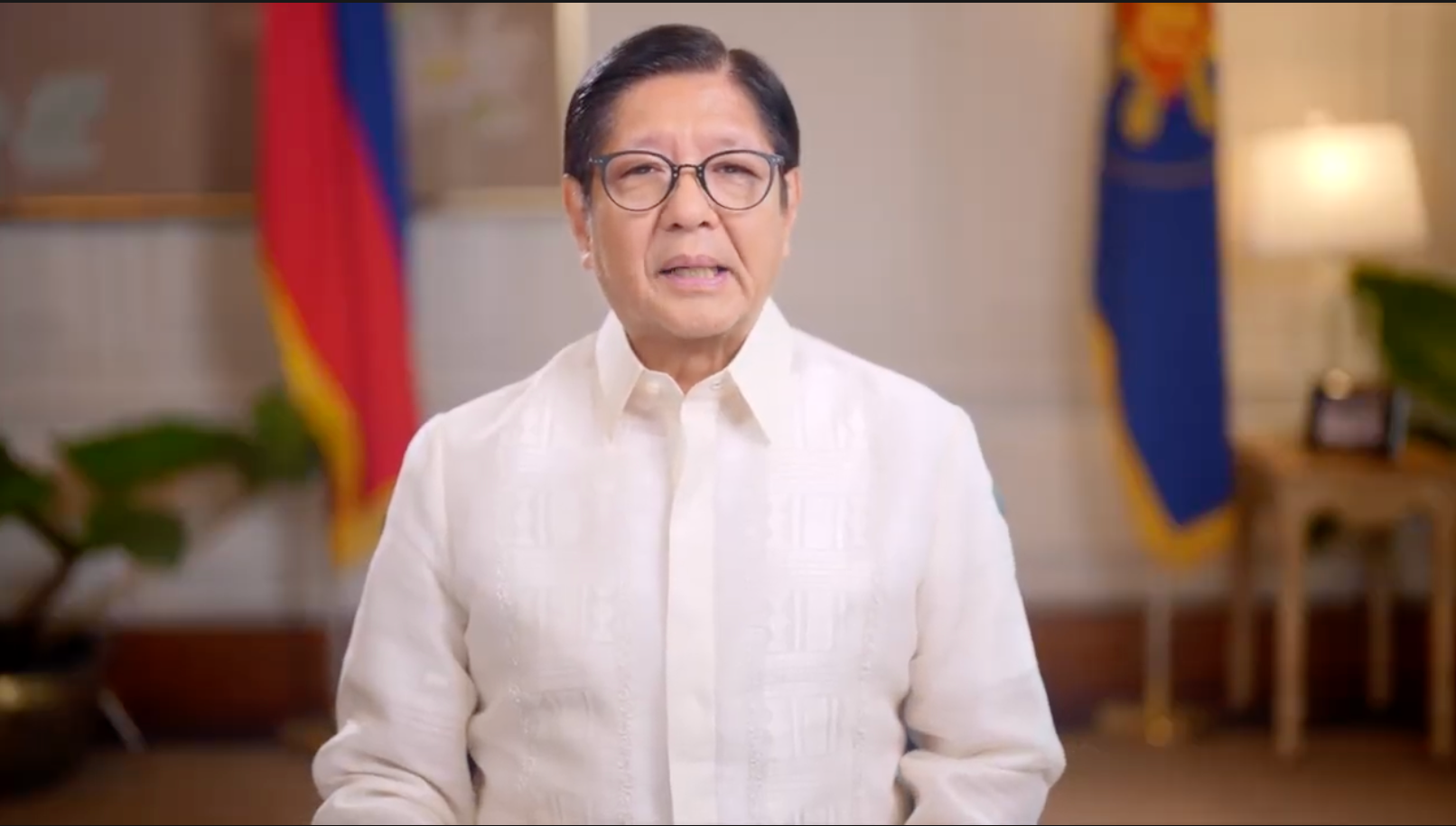
MANILA, Philippines — The government will provide another round of cash assistance to benefit 7.5 million low-income households affected by the rising oil prices driven by the renewed conflict in the Middle East. In a video statement released on Thursday, President Ferdinand Marcos Jr. said the government will expand its support to Filipinos through the Uplift Assistance program to be implemented by the Department of Social Welfare and Development (DSWD). “Under this program, immediate aid will be provided to 7.5 million households, or 37.5 million Filipinos, across the country,” the president added. According to Marcos, 1.5 million low-income workers and their families whose records have been verified by the Social Security System (SSS) will receive P2,000 per month from July through December — or P12,000 for the entire six months. Meanwhile, a one-time additional cash assistance of up to P2,000 will be granted to 3.5 million beneficiaries of the Pantawid Pamilyang Pilipino Program (4Ps) and the Walang Gutom Program. The government will also extend assistance to 2.5 million poor and near-poor households identified through the 2024 Community-Based Monitoring System (CBMS). “The objective of Uplift Assistance is to help ensure that Filipino families can continue to meet their everyday needs. At the same time, we have expanded the program’s coverage so that more Filipinos can benefit from this assistance,” Marcos said. “The government will ensure that this assistance is delivered quickly, efficiently, and more conveniently through digital means,” he added. The Uplift Assistance is the second wave of financial aid from the government under Marcos’ Executive Order No. 110, placing the entire country in a one-year national state of energy emergency. The government response was carried out under a strategic whole-of-government framework anchored on the United Package for Livelihoods, Industry, Food, and Transport (Uplift) to protect the livelihoods of Filipinos and keep our economy resilient. During the first round of cash aid, which started in late March for Metro Manila and in April for other parts of the countries, the government implemented targeted assistance to sectors most affected by increases in fuel prices. The assistance benefited transport workers, farmers, fisherfolk, and low-income families. Under the DSWD’s Assistance to Individuals in Crisis Situations (AICS), a P5,000 cash assistance was given to each qualified public transport worker to help them cope with increase in fuel costs and protect their daily income. As of July 14, more than 1.8 million transport workers nationwide have received assistance. The government also implemented fuel subsidies for qualified jeepneys and UV Express vans, amounting to P1,500 per week for three months. The Department of Transportation also implemented from April to May a service contracting program for PUVs, which covered around 50,000 PUVs and benefited up to 15 million passengers. /das
多角的分析
原油価格の上昇は、フィリピン経済においてインフレ圧力の増大と購買力の低下を招く。今回の現金給付は、家計の負担を一時的に緩和する効果があるが、根本的な原油価格高騰の解決には至らない。持続的な経済成長のためには、エネルギー源の多様化や国内生産能力の強化といった構造的な対策が不可欠である。過去の類似事例では、国際的な原油価格の変動がフィリピンのインフレ率に直接的な影響を与え、特に低所得者層の生活を圧迫してきた経緯がある。
今回の現金給付は、短期的な消費の下支えには寄与するものの、投資家にとっては、原油価格高騰の根本的な解決策ではないため、マクロ経済の不確実性を増大させる要因となる。エネルギー関連のサプライチェーンへの影響や、インフレによる企業収益への圧迫リスクを注視する必要がある。フィリピン市場への投資判断においては、政府の経済政策の持続可能性と、エネルギー安全保障の強化策が重要な判断材料となるだろう。
今回の現金給付は、750万世帯という広範な対象に及ぶため、多くの低所得者層の家計にとって一時的な救済となる。しかし、給付額は生活必需品の購入や教育費、医療費といった継続的な支出を完全にカバーするには十分ではない可能性がある。特に、地方都市や農村部では、物価上昇の影響がより深刻であり、現金給付の恩恵が届きにくい層も存在すると考えられる。マニラ首都圏の交通渋滞緩和策として実施されたサービス契約プログラムは、公共交通機関の利用者に一定の恩恵をもたらしたが、その効果は限定的であった。
今回の現金給付は、生活費の高騰に苦しむ多くの国民にとって、一時的な安心材料となるだろう。しかし、原油価格の上昇は、食料品やその他の必需品の価格にも波及するため、給付金だけでは十分な生活水準を維持するのは難しい。特に、子供を持つ家庭や高齢者世帯では、家計への負担感が依然として大きいと考えられる。SNS上では、給付金の迅速な配布を求める声や、より恒久的な物価安定策を求める意見が寄せられている。
背景・歴史的文脈
フィリピンは原油の大部分を輸入に依存しており、国際的な原油価格の変動は国内経済に大きな影響を与える。特に、中東情勢の緊迫化は、過去にもインフレと生活費の上昇を引き起こし、低所得者層の生活を圧迫してきた。マルコス政権は、過去の政権と同様に、これらの影響を緩和するために現金給付策を打ち出している。これは、国民の不満を抑え、社会の安定を維持するための、政府の伝統的な対応策の一つと言える。しかし、持続的な経済成長のためには、エネルギー源の多様化や国内生産能力の強化といった、より構造的な改革が求められている。
原文ソース
Inquirer NewsInfo