IMF Lowers Cambodia's Growth Forecast, Government Unveils Multi-Pronged Crisis Response
Economy
2026年7月8日
6
CEN Cambodia
Relations
🇰🇭Cambodia🇹🇭Thailand🇨🇳China

IMF Lowers Cambodia's Growth Forecast, Government Unveils Multi-Pronged Crisis Response

AI サマリー

The IMF has revised Cambodia's 2026 economic growth forecast down to 3%, citing impacts from multiple crises including Middle East conflict, border disputes, cyber fraud, and global economic uncertainty. The Cambodian government has announced a comprehensive $1.244 billion intervention program to stabilize livelihoods and foster economic recovery.

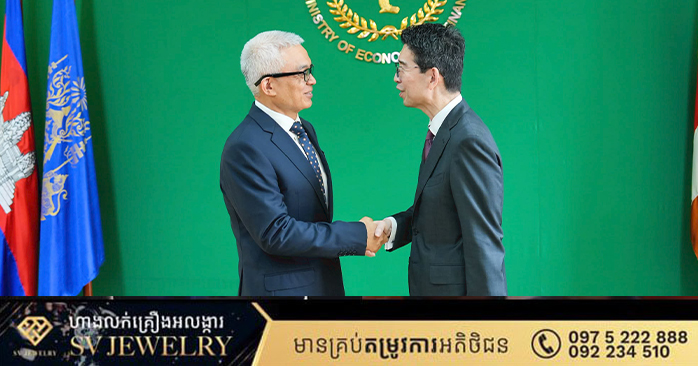
The International Monetary Fund (IMF) has revised down its forecast for Cambodia's economic growth in 2026 to approximately 3%, a decrease from earlier assessments. This adjustment reflects the ongoing impact of multiple crises on the Cambodian economy, including rising fuel prices due to the Middle East conflict, border disputes with Thailand, crackdowns on cyber fraud activities, and global economic uncertainties. Mr. Kenichiro Kashiwase, the IMF Mission Chief, noted that the Cambodian government's immediate intervention measures, such as the temporary implementation of fiscal policies to support the population and targeted sectors, could help mitigate the negative effects of these crises and stimulate economic growth. He also emphasized the necessity of structural reforms for medium-term economic growth, including improving the business and investment climate, strengthening governance, diversifying export markets, enhancing energy security, and promoting data collection and sharing. In contrast, Cambodian Deputy Prime Minister and Minister of Economy and Finance, Aun Pornmoniroth, presented a slightly more optimistic outlook, projecting economic growth for 2026 at around 4.2%. This projection is based on the progress of key economic indicators in the first five months of 2026, coupled with positive growth in export-oriented sectors, particularly non-garment manufacturing, and sustained positive trends in domestic consumption, as indicated by growth in domestic Value Added Tax (VAT) and imports of consumption goods. However, the tourism sector is expected to recover below initial projections due to a decline in international tourist arrivals, although this may be partially offset by an increase in domestic tourists. In response to these multifaceted crises, the Cambodian government has been implementing continuous emergency interventions to ensure the stability of livelihoods, especially for vulnerable groups. These measures include temporary tax exemptions on certain imported goods such as gasoline, diesel, and some electrical appliances, aimed at reducing the pressure of rising prices and decreasing reliance on fossil fuels. Furthermore, the government has approved and is preparing to implement a "Comprehensive Intervention Program to Respond to the Multi-Crisis Situation," designed to create jobs, stabilize livelihoods, and strengthen the resilience of Cambodia's economy and society in the short and medium term. This program adopts a pro-poor approach and comprises three packages of interventions, including both immediate and short-to-medium term measures. The total estimated cost for this intervention program is approximately $1.244 billion, with resources to be sourced from the state budget, relevant government institutions, fiscal expenditures, and development partners. To support medium to long-term economic growth, the government is actively addressing structural issues through initiatives such as the "Program to Enhance Competitiveness, Diversification, and Resilience to Drive Economic Growth Amidst High Global Uncertainty" of the seventh legislature government, and the "Program to Promote the Improvement of the Business and Investment Climate in Cambodia 2025-2028." These structural reforms aim to reduce complex administrative procedures, digitalize public services, enhance investor confidence, and strengthen the economy's resilience and protective shields against external shocks. Minister of Mines and Energy, Keo Rattanak, highlighted contributions to addressing structural issues, including maintaining electricity price stability, expanding the electricity grid, strengthening energy security, and particularly developing green energy. Minister of Labour and Vocational Training, Heng Sour, outlined government measures for job creation, skills training, and improving the quality of data management for migrant and cross-border workers. In conclusion, Deputy Prime Minister Aun Pornmoniroth expressed his sincere gratitude to the IMF for providing valuable insights and recommendations that support policy formulation in response to the multi-crisis situation. He expressed hope for Cambodia's continued journey towards resilient, inclusive, and sustainable growth in the medium and long term. Source: CEN Cambodia

多角的分析

経済的影響

IMFによるカンボジア経済成長率予測の下方修正は、同国が直面する複合的な外部ショックの深刻さを示唆している。中東情勢に端を発するエネルギー価格の高騰は、輸入依存度の高いカンボジアにとって直接的なコスト増要因となる。また、サイバー詐欺対策の強化は、一時的に経済活動の一部を抑制する可能性もある。政府の包括的な介入プログラムは、内需を下支えし、脆弱層へのセーフティネットを提供する点で重要だが、その実行能力と財源の持続可能性が問われる。構造改革の進展が、中長期的な経済のレジリエンスを高める鍵となるだろう。

投資家心理

IMFの成長率下方修正は、カンボジアへの投資リスクを一時的に高める要因となり得る。特に、エネルギー価格の上昇は製造業や物流コストに影響を与え、企業収益を圧迫する可能性がある。しかし、政府が発表した大規模な介入プログラムと構造改革へのコミットメントは、投資環境の改善に向けた前向きなシグナルとも受け取れる。特に、ビジネス環境の改善や投資誘致策の進展は、長期的な投資家にとって注目すべき点となるだろう。ただし、地政学的なリスクや世界経済の不確実性が継続する中、慎重なリスク評価が引き続き求められる。

社会的影響

IMFの予測下方修正は、カンボジア国民、特に低所得者層や脆弱な立場にある人々の生活に直接的な影響を与える可能性がある。エネルギー価格の上昇は、家計の負担を増加させ、食料品などの生活必需品の価格上昇にもつながりかねない。政府が発表した包括的な介入プログラムは、これらの影響を緩和することを目的としているが、その恩恵が確実に国民に行き渡るかが重要となる。特に、雇用創出や技能訓練の強化は、若年層や失業者の生活再建に不可欠である。また、国際観光客の減少は、観光業に依存する地域経済やそこで働く人々の収入に打撃を与える可能性がある。

市民の声

IMFの予測は、私たちの生活に直接関わる問題だ。ガソリンや電気代が上がれば、日々の出費が増える。政府は対策を打ち出しているが、それが本当に私たちの生活を助けてくれるのか、実感できるかが重要だ。仕事が見つかるか、給料が上がるか、将来への不安は消えない。特に、観光業で働く人々は、客が減ると収入が減るので心配だ。政府には、具体的な支援策を迅速かつ公平に実施してほしい。

背景・歴史的文脈

カンボジア経済は、長らく中国からの投資に大きく依存してきた。近年、世界的なサプライチェーンの再編や地政学的な緊張の高まりは、カンボジア経済にも影響を与えている。今回のIMFの予測下方修正は、こうした外部要因に加え、国内の構造的な課題(ビジネス環境、ガバナンスなど)が複合的に作用していることを示唆している。政府は、経済の多角化とレジリエンス強化を目指し、構造改革を推進しているが、その効果が現れるまでには時間を要すると考えられる。また、近隣諸国との関係性や、地域経済統合の進展も、カンボジア経済の将来を左右する重要な要素である。

原文ソース

CEN Cambodia

原文を読む