IMF Projects Cambodia's Economic Growth at 3 Percent in 2026
Economy
2026年7月8日
5
AKP Cambodia
Relations
🇰🇭Cambodia🇨🇳China

IMF Projects Cambodia's Economic Growth at 3 Percent in 2026

AI サマリー

The IMF has projected Cambodia's economic growth to slow to 3.0 percent in 2026, citing higher energy prices, trade policy uncertainty, and weak tourism. Structural reforms are deemed crucial to strengthen the growth model.

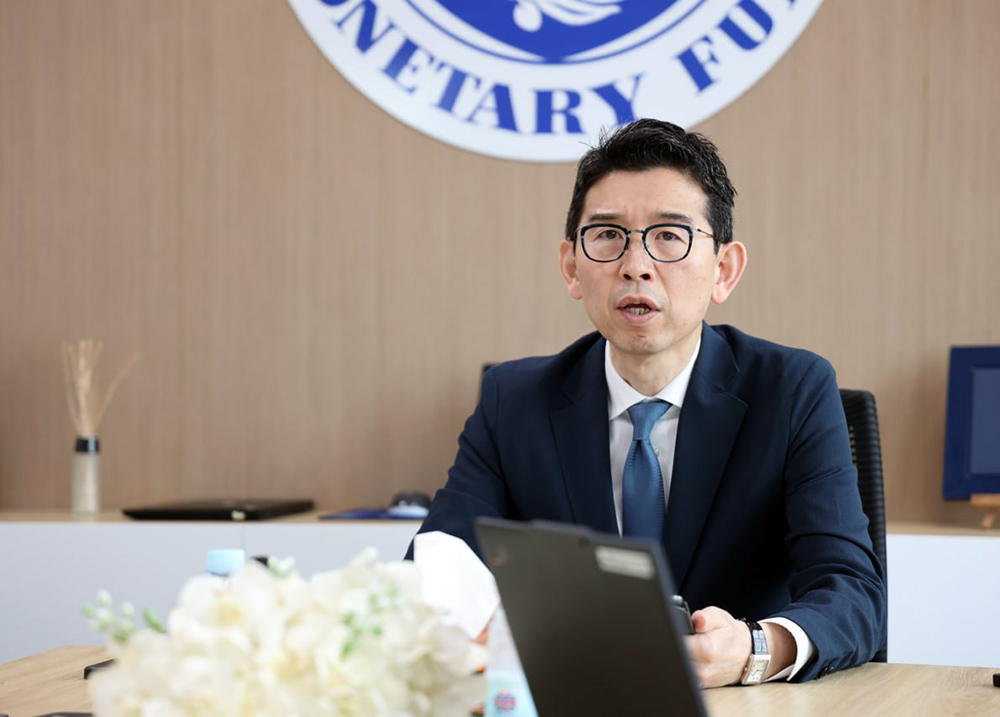
The International Monetary Fund (IMF) on Wednesday projected Cambodia’s economic growth to slow to 3.0 percent in 2026, amid higher energy prices, trade policy uncertainty, weak tourism, and subdued domestic demand. In a press release, the IMF said Cambodia’s economy has shown resilience amid successive shocks but growth has weakened. Real GDP growth, supported by external demand, foreign direct investment and infrastructure spending, eased to 5.3 percent in 2025 from 6.0 percent in 2024. “Growth is projected to slow further to 3 percent in 2026 before recovering in 2027, as higher energy prices, softer external demand, and reputational damage associated with scam activities weigh on economic activity and weaken tourism and pose risks to financial stability,” the press release stated. The Kingdom’s economy is mainly driven by garment, footwear and travel-goods exports, tourism, agriculture, and real estate and construction. Facing regional trade tensions and global uncertainty, Cambodia needs structural reforms to strengthen its growth model and resilience, particularly as the country prepares for graduation from Least Developed Country status, said Mr. Kenichiro Kashiwase, IMF Mission Chief for Cambodia, Asia and Pacific Department. “Structural reforms should strengthen Cambodia’s growth by improving the business climate, governance and rule of law, labour absorption, export diversification, energy security and efficiency, climate resilience, and data quality,” he told a press conference in Phnom Penh on July 8. The IMF team completed the 2026 Article IV consultation in Cambodia from June 24 to July 8, holding discussions with senior officials of the Royal Government of Cambodia, the National Bank of Cambodia, other public agencies, and representatives of the private sector and development partners. The IMF advised that fiscal policy should cushion near-term shocks through temporary, targeted support while preserving medium-term fiscal discipline. Broad fuel-related support should be unwound as price pressures ease, and revenue mobilisation will be critical to sustain priority spending and realise Cambodia’s development goals. It also recommended financial-sector policies focus on safeguarding stability as asset-quality pressures become more visible following the end of regulatory forbearance. It warned that real estate weakness remains a key risk given banks’ exposure to the sector. Mr. Kenichiro Kashiwase, IMF Mission Chief for Cambodia, Asia and Pacific Department By Chea Vannak

多角的分析

経済的影響

IMFの予測は、カンボジア経済が直面する複数の逆風を示唆している。特に、エネルギー価格の高騰はインフレ圧力となり、企業コストの増加や消費者の購買力低下を招く。貿易政策の不確実性は、輸出依存度の高いカンボジアにとって直接的な打撃となりうる。また、観光業の低迷は外貨収入の減少に繋がり、国内需要の弱さは投資や雇用創出の抑制要因となる。これらの要因が複合的に作用し、成長率の鈍化を招いていると考えられる。IMFが指摘する構造改革は、これらの脆弱性を克服し、持続可能な成長軌道に乗せるための鍵となる。

投資家心理

IMFの成長率下方修正は、カンボジアへの投資リスクを一時的に高める可能性がある。特に、不動産セクターへの銀行のエクスポージャーとそれに伴う金融安定リスクは、投資家にとって懸念材料となる。しかし、IMFが強調する構造改革、特にビジネス環境の改善やガバナンスの強化が進めば、長期的な投資魅力は高まるだろう。衣料品、観光、インフラといった既存の成長エンジンに加え、輸出の多様化やエネルギー分野の効率化は、新たな投資機会を生み出す可能性を秘めている。

社会的影響

経済成長の鈍化は、カンボジア国民、特に低所得層の生活に直接的な影響を与える可能性がある。物価上昇は実質賃金を圧迫し、雇用機会の減少は失業率の上昇につながりかねない。観光業の低迷は、関連産業で働く人々の収入を減少させる。また、詐欺行為への懸念は、カンボジアの国際的な評判に影響を与え、観光客や投資家の減少を招くことで、社会全体の経済的機会を損なう可能性がある。IMFが指摘する構造改革は、こうした社会的な課題の解決にも繋がるものと考えられる。

市民の声

IMFの予測は、カンボジア国民、特に一般市民にとって、生活への影響を懸念させるものだ。経済成長が鈍化すれば、職を得る機会が減ったり、物価が上昇して生活が苦しくなったりする可能性がある。観光業が低迷すれば、ホテルやレストランで働く人々、土産物店を経営する人々などの収入が減る。また、詐欺行為への懸念は、カンボジアのイメージを悪化させ、外国人観光客や投資家が減ることで、経済全体に悪影響を及ぼすかもしれない。構造改革が進み、より安定した経済が実現されることが、市民の生活向上につながるだろう。

背景・歴史的文脈

カンボジア経済は、長年にわたり衣料品輸出、建設、観光に依存してきた。特に、中国からの投資はインフラ開発や不動産セクターを牽引してきたが、その一方で、経済の単一構造化や対外債務の増加といったリスクも指摘されてきた。2020年以降の新型コロナウイルスのパンデミックは、観光業に壊滅的な打撃を与え、経済成長を大きく鈍化させた。IMFの今回の予測は、パンデミックからの回復途上にありながらも、新たな世界経済の不確実性(エネルギー価格高騰、地政学リスク)に直面しているカンボジア経済の現状と、構造改革の必要性を改めて浮き彫りにしている。

原文ソース

AKP Cambodia

原文を読む