Philippines to Continue Targeted Subsidies Amid Easing Inflation
Economy
2026年6月29日
4
BusinessWorld Nation

Philippines to Continue Targeted Subsidies Amid Easing Inflation

AI サマリー

The Philippine government will continue implementing targeted subsidy programs for public transport, farmers, fisherfolk, and low-income households, citing continued volatility in global oil prices, despite easing inflation. This was announced by the Palace Press Officer.

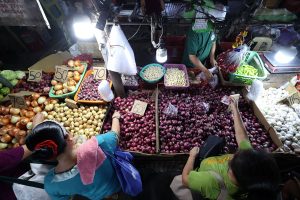
The government will continue implementing targeted subsidy programs despite easing headline inflation, citing continued volatility in global oil prices, Palace Press Officer Clarissa A. Castro said on Monday. Philippines’ May headline inflation slowed to 6.8% from 7.2% in April, driven by lower transport costs from pump price rollbacks, according to the Philippine Statistics Authority. However, it still quickened from 1.3% in the same period last year. "We should not be complacent because we are still facing a global oil crisis that has not yet fully subsided," Ms. Castro told a news briefing, emphasizing that the government continues to provide fuel subsidies for public utility vehicle operators, farmers, and fisherfolk, alongside financial assistance for small-scale farmers and support for agricultural inputs such as seeds and fertilizers. She added that "we also have… the twenty-peso-per-kilogram rice that can be found and bought at KADIWA stores, and the distribution of ten kilograms of rice every two months to millions of Filipino families." Additional aid for vulnerable sectors is being finalized, with President Ferdinand R. Marcos, Jr. expected to announce further measures soon. This policy underscores the administration's cautious stance against external economic shocks, even as government efforts to curb inflation show signs of progress. Fluctuations in energy prices, in particular, significantly impact the Philippine economy, especially transportation costs and agricultural production, necessitating continued government vigilance. In terms of Japan-Philippines relations, economic stability in the Philippines could indirectly influence remittances from overseas Filipino workers and direct investments from Japan.

多角的分析

経済的影響

インフレ率の鈍化は、輸送コストの低下という国内要因による側面が大きいが、世界的な原油価格の変動性が依然としてリスク要因であるという政府の見解は、輸入依存度の高いフィリピン経済の脆弱性を示唆している。的を絞った補助金は、短期的な物価高騰から国民、特に脆弱層を保護する効果がある一方、財政負担の増加という側面も無視できない。KADIWAストアでの低価格米提供は、食料安全保障への懸念と、インフレ抑制のための直接的な介入策として、過去にも類似の施策が実施されてきた経緯がある。これらの補助金は、政府の財政健全性や、将来的な経済成長への投資余力とのバランスが問われる。

投資家心理

インフレ率の鈍化は、消費者の購買力維持に寄与し、短期的ながらも国内消費の安定につながる可能性がある。しかし、世界的な原油価格の変動性への言及は、輸入コストの上昇リスクを投資家に意識させる。政府が的を絞った補助金を継続することは、財政赤字の拡大懸念につながりかねず、投資判断においては財政規律の動向が注視されるだろう。特に、インフラ投資や外国直接投資(FDI)を呼び込む上で、財政の持続可能性は重要な要素となる。日本企業にとっては、フィリピンの経済安定は、サプライチェーンの安定化や、現地市場でのビジネス機会の拡大に直結するため、政府の財政運営とインフレ対策のバランスを注視する必要がある。

社会的影響

公共交通機関の運転手、農民、漁民への燃料補助金は、これらの層の生活費負担を軽減し、食料品やサービスの価格安定に寄与する。KADIWAストアでの低価格米の提供や、貧困層への米の配布は、食料へのアクセスを改善し、特に低所得者層の家計を直接的に支援する。しかし、これらの補助金が、長期的に生産者や供給業者のインセンティブにどのような影響を与えるか、また、補助金への依存体質を生み出さないかという懸念も存在する。マニラ首都圏の通勤者や地方の農村部で暮らす人々にとって、これらの補助金は日々の生活に直結する重要な支援策であり、その継続性と効果が問われている。

市民の声

インフレ率が鈍化したとはいえ、依然として前年比では高い水準にあるため、国民、特に低所得者層にとっては生活費の負担感は依然として大きい。公共交通機関の利用者や、食料品を日常的に購入する人々は、政府の補助金が物価上昇をどこまで緩和してくれるかに期待を寄せている。一方で、補助金が財政を圧迫し、将来的な増税や公共サービス削減につながるのではないかという不安も抱えている。特に、海外で働くフィリピン人労働者(OFW)からの送金は国民経済にとって重要だが、その送金が物価上昇によって実質的に目減りしていると感じる人もいるだろう。政府の発表は、こうした国民の生活実感と、経済の安定化への期待との間で、慎重なバランスを取りながら進められていると言える。

背景・歴史的文脈

フィリピンでは、歴史的にインフレ、特に食料品やエネルギー価格の上昇が、国民生活に大きな影響を与えてきた。過去の政権でも、物価高騰対策として補助金や価格統制が実施されてきたが、その効果や持続可能性については常に議論の的となってきた。特に、石油価格の変動は、輸入に依存するフィリピン経済にとって、インフレを左右する主要因の一つである。海外からの送金が経済を支える一方で、国内の農業生産の脆弱性や、輸送インフラの整備不足も、物価安定の課題となっている。現在のマルコス政権は、インフレ抑制と国民生活の安定化を両立させるため、的を絞った補助金政策を継続することで、国民の支持維持を図るとともに、経済の安定化を目指している。

原文ソース

BusinessWorld Nation

原文を読む