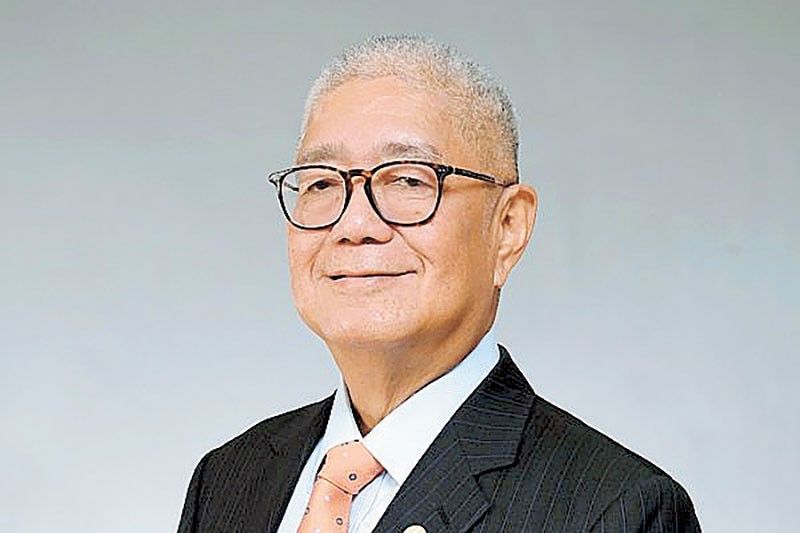
Philippine Economy Can Withstand Another Rate Hike, BSP Governor Says
Bangko Sentral ng Pilipinas (BSP) Governor Eli Remolona Jr. stated that the Philippine economy can absorb another interest rate increase, despite elevated inflation. While first-quarter growth was sluggish, a recovery is anticipated in the second half due to expected government spending.
MANILA, Philippines — The Philippine economy can still absorb another interest rate increase if needed, Bangko Sentral ng Pilipinas (BSP) Governor Eli Remolona Jr. said, as inflation remains elevated while growth is expected to recover in the second half. Asked if the economy could handle future rate hikes, Remolona told reporters it could still absorb another 25-basis-point increase. He said the impact of a modest rate hike would remain manageable, especially when adjusted for inflation. With inflation running at around six percent, the BSP’s nominal policy rate remains low in real terms. The country’s gross domestic product (GDP) grew by 2.8 percent in the first quarter, the weakest in five years, as high fuel prices triggered by the Middle East conflict and lower infrastructure spending caused by the flood control scandal weighed on the economy. The government is expecting the economy to grow between 3.5 percent and 4.5 percent this year. Asked if the economy could still grow by at least four percent this year should public spending improve in the second half, Remolona said growth could even exceed that level. The BSP chief said there is still room for a rebound because a large portion of the government’s spending program has yet to be disbursed. “The problem this year is that government spending has been lacking. So we expect to recover strongly in the second half of the year,” he said. According to Remolona, the government’s catch-up spending plan would involve resuming expenditures that should have been made earlier, had public works spending not been affected by tighter scrutiny amid the flood control controversy. Remolona said the Philippines still has solid fundamentals, citing several years of growth close to six percent. The challenge now is to sustain that growth while reducing poverty and inequality. Still, he declined to say whether the BSP has enough room to tighten policy further. The Monetary Board raised borrowing costs by 25 basis points on June 18 to help rein in inflationary pressures, particularly after the economy was hit by an energy shock. The BSP’s latest policy move brought the benchmark rate to 4.75 percent. Remolona said the government’s immediate priority is to preserve the country’s investment-grade credit rating, especially as the economy deals with the impact of higher energy prices and weaker public spending. He said the country’s current BBB rating remains strong compared with many emerging markets, but the near-term challenge is to prevent a downgrade. “The immediate issue is to prevent a downgrade because we were hit by an energy shock,” Remolona said. Information Source: Philstar Business
多角的分析
フィリピン経済は、インフレ圧力と成長鈍化という二重の課題に直面している。BSP総裁が追加利上げの可能性に言及したのは、インフレ抑制を最優先事項とする姿勢の表れである。しかし、第1四半期のGDP成長率が5年ぶりの低水準に落ち込んだことは、内需の弱さを示唆している。政府支出の回復が下半期の成長の鍵となるが、汚職疑惑によるインフラ投資の遅延は、その実行力に疑問符を投げかけている。実質金利が低い水準にあるとはいえ、さらなる利上げは景気回復の足かせとなるリスクも孕んでいる。
投資家にとって、フィリピン経済の不確実性は依然として高い。インフレ抑制のための金融引き締めは、企業収益の圧迫要因となりうる。一方で、政府支出の回復による経済成長の期待は、株式市場や債券市場にとってポジティブなシグナルとなりうる。しかし、汚職問題に起因するインフラ投資の遅延は、長期的な成長ポテンシャルに対する懸念材料となる。格付け維持への言及は、資本市場へのアクセスを確保する上で重要だが、エネルギー価格の変動や地政学的リスクは、投資判断におけるリスク要因として引き続き注視されるべきである。
フィリピン国民にとって、インフレの継続は生活費の圧迫に直結する。特に、燃料価格の高騰は、交通費や食料品価格の上昇を通じて、低所得者層に大きな影響を与える。政府支出の低迷は、雇用創ちや公共サービスの質の低下につながる可能性があり、社会的不満を高める要因となりうる。汚職問題は、国民の政府に対する信頼を損なうだけでなく、本来であれば国民の生活向上に充てられるべき資源が失われるという点で、深刻な社会問題である。経済成長の鈍化は、特に若年層の海外就労への依存を高める可能性も示唆している。
フィリピン国民の生活実感としては、物価上昇が家計を圧迫している状況が続いている。特に、ガソリン価格の高騰は、日々の通勤や物流コストに直結し、食料品をはじめとするあらゆる商品価格の上昇を招いている。政府のインフラ投資の遅れは、期待されていた雇用創出や経済効果の実現を遅らせており、国民の生活改善への期待を削いでいる。中央銀行の利上げは、インフレ抑制のためとはいえ、住宅ローンや自動車ローンなどの金利上昇を通じて、さらなる家計の負担増につながりかねない。国民は、経済の安定と生活の質の向上を強く望んでいる。
背景・歴史的文脈
フィリピン経済は、過去数年間、堅調な成長を続けてきたが、近年はインフレ圧力と成長鈍化という課題に直面している。中東紛争に端を発するエネルギー価格の高騰は、輸入物価の上昇を通じてインフレを加速させている。国内では、汚職疑惑に端を発したインフラ投資の遅延が、公共支出の低迷を招き、経済成長の足かせとなっている。フィリピン中央銀行(BSP)は、インフレ抑制のために金融引き締め策を講じており、政策金利は既に引き上げられている。政府は、歳出の加速と経済成長の回復を目指しているが、汚職問題への対応がその実行力を左右する要因となっている。フィリピンは、堅調な経済ファンダメンタルズを維持しつつも、これらの構造的な課題への対処が求められている。
原文ソース
Philstar Business