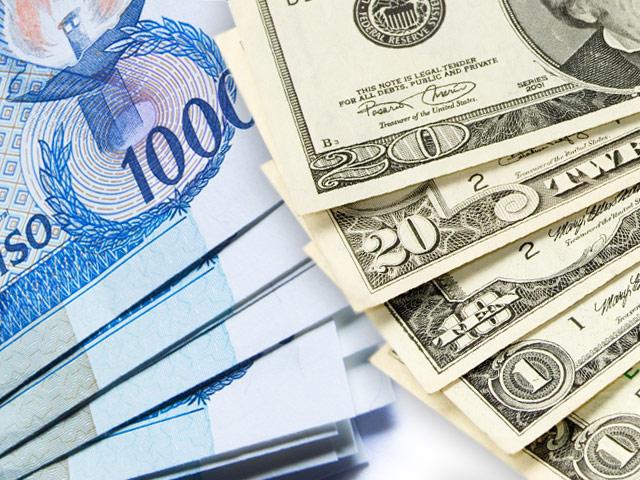
Peso Dips Further, Stays Above P60 Amid Weak Q2 GDP Growth
The Philippine peso continued its downtrend for the second straight day, closing at P60.9:$1, weighed by weaker-than-expected second-quarter GDP growth of 2.3%. This marks the slowest growth rate since Q4 2009, excluding pandemic-induced contractions.
This article requires PRO
This article is outside the free access window or is a special report. PRO unlocks it and the full archive.
Related articles
- Palace: Q2 GDP slowdown 'only temporary'
The Philippine Statistics Authority reported that the country's Gross Domestic Product (GDP) growth slowed to 2.3 percent in the second quarter, down from 2.8 percent in the previous quarter. However, Malacañang, the presidential palace, declared this slowdown 'only temporary' and not indicative of the country's long-term direction.
- Philippine Economy Stalls for Second Quarter, GDP Growth at 2.3% Hits 16-Year Low Outside Pandemic
The Philippine economy grew by a mere 2.3% in the second quarter, a sharp deceleration from 5.4% a year earlier, marking the weakest growth outside the pandemic since Q4 2009. Tensions in the Middle East and weak government spending contributed to the slowdown.
- Philippine Economy Slows to 5-Year Low of 2.3% Growth
The Philippine economy grew by a mere 2.3 percent year-on-year in the second quarter, its slowest pace in five years. The slowdown was attributed to subdued household consumption due to the Middle East conflict and dampened investments and public construction amid an infrastructure scandal, making the annual growth target increasingly challenging.
- Philippine Economy Slows to 2.3% in Q2 Amid Peak Middle East War Impact
The Philippine economy grew by a mere 2.3% in the second quarter of 2026, its slowest pace since 2016, as the impact of the Middle East war dampened economic activity. Inflation eroded household consumption, jeopardizing government growth targets, while infrastructure spending also contracted.