Philippines Banks Expected to Waive Interbank Transfer Fees Under New Rules Effective July 4
The Bangko Sentral ng Pilipinas (BSP) anticipates that many banks will waive interbank transfer fees following new regulations taking effect on July 4. This move is expected to boost the utilization of the domestic payment system.
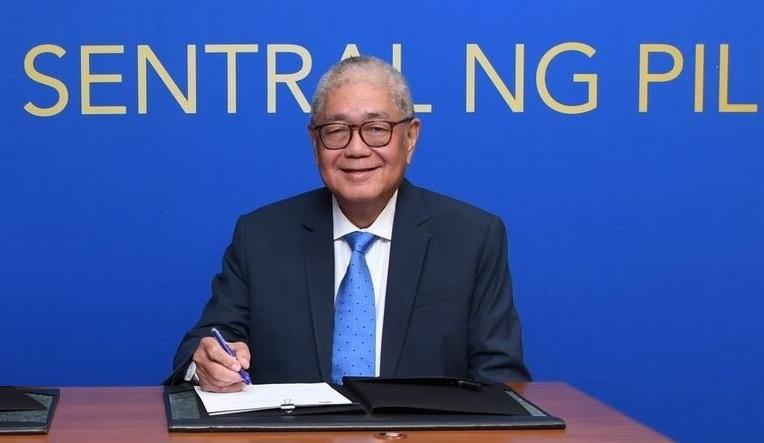
The Bangko Sentral ng Pilipinas (BSP) expects more Philippine banks to waive interbank fund transfer fees over the weekend, as the BSP gave financial institutions until Saturday, July 4, to adjust transfer fees and comply with a circular that caps the difference between interbank and intrabank fees. Under the BSP’s Circular 1238 that takes effect Saturday, July 4, any difference between intrabank and interbank transfer fees should reflect only the actual “switch cost” — the cost of processing a transaction through a payment network. “In about two days… we expect more banks to follow,” Remolona said on the sidelines of the launch of the central bank’s book project “Risk and Resilience in the Philippine Financial System” in Manila. So far, two banks have already announced the removal of interbank transfer fees — Ayala-led BPI, which permanently removed fees from transactions made through InstaPay and PESONet starting July 1, 2026; and Rizal Commercial Banking Corp. (RCBC), which is set to make InstaPay transfers free starting Saturday, July 4, 2026. “Maganda ‘yan kasi ‘yung payment system, ‘yung value niyan, ‘yung maraming marami kasali. Kung may telephone ka, isa lang ang natatawagan mo, hindi maganda ‘yan. Kailangan marami kang natatawagan. Ganun din ang payment system," he added. "Ang tawag doon, network externalities. Kung maraming kasama, mas maganda. So the entry fee, mababa, kung pwede zero, mabuti,” Remolona said. (That’s good because the value of a payment system comes from having as many participants as possible. If you have a telephone but can call only one person, that’s not very useful. You need to be able to call many people. It’s the same with a payment system. That’s what we call network externalities. The more participants there are, the better, so the cost of joining should be low. If it can be zero, better.) The “switch cost” is estimated at P1.50, meaning banks that already have intrabank transfers free can only charge up to P1.50 for interbank transfers. –NB, GMA News “The Circular 1238 takes effect tomorrow (Saturday, July 4), so we anticipate, we expect that the famous service providers, the banks, the EMIs (electronic money issuers) will comply,” BSP Deputy Governor Mamerto Tangonan told reporters in Manila. The BSP issued Memorandum 2026-025 on June 17, which implements Circular 1238, which lifted the moratorium on changes to InstaPay and PESONet transaction fees. It mandates that all digital transaction fees be based on actual processing costs, remain lower than over-the-counter banking fees, and ensure that recipients receive the full amount sent without deductions. Should banks fail to comply, Tangonan said they will undergo the usual enforcement protocols, which include an initial fair warning. RCBC has set a limit of 30 free transfers per month with a minimum of P100. It will charge P10 once the monthly limit is reached, or if transactions fall below the amount. “We said that’s not compliant…. All we say is that whatever you charge, the price of your off-us (interbank) transaction must be the same as your on-us (intrabank). It cannot be more than your on-us price plus the switch fee,” Tangonan said. –NB, GMA News
多角的分析
銀行間送金手数料の無料化は、国内決済システムの効率化と利用促進に大きく貢献する。これにより、特に少額決済や個人間の送金コストが大幅に削減され、経済活動の活性化につながる。また、電子マネー発行者(EMI)を含む多様な決済サービスプロバイダーの参入を促し、競争を促進することで、消費者により良いサービスと低コストを提供するインセンティブとなる。これは、フィリピン経済のデジタル化を加速させる重要な一歩である。
銀行間送金手数料の無料化は、決済インフラへの投資を促進する可能性がある。BPIやRCBCのような大手銀行が先行して手数料を撤廃することで、他の金融機関も追随せざるを得なくなる。これは、決済サービスプロバイダー間の競争を激化させ、収益モデルの再構築を迫る一方で、取引量の増加による全体的な収益増を期待させる。投資家にとっては、フィンテック分野への投資機会が増加する可能性を示唆している。
今回の手数料無料化は、フィリピン国民、特に海外で働くフィリピン人労働者(OFW)からの家族への送金や、国内での個人間の少額送金において、実質的な負担軽減をもたらす。これまで高額な手数料がネックとなっていた送金が容易になり、経済的にも恩恵を受ける層が広がる。また、デジタル決済の利用促進は、金融包摂の向上にも寄与し、これまで銀行サービスにアクセスしにくかった人々にも恩恵が行き渡る可能性がある。マニラ首都圏の交通渋滞や地方のインフラ不足といった課題を抱える中で、オンラインでの送金がより身近になることは、生活の利便性を向上させる。
今回の銀行間送金手数料無料化は、フィリピン国民、特に海外で働くフィリピン人労働者(OFW)からの家族への送金や、国内での個人間の少額送金において、実質的な負担軽減をもたらす。これまで高額な手数料がネックとなっていた送金が容易になり、経済的にも恩恵を受ける層が広がる。また、デジタル決済の利用促進は、金融包摂の向上にも寄与し、これまで銀行サービスにアクセスしにくかった人々にも恩恵が行き渡る可能性がある。マニラ首都圏の交通渋滞や地方のインフラ不足といった課題を抱える中で、オンラインでの送金がより身近になることは、生活の利便性を向上させる。
背景・歴史的文脈
フィリピンでは、海外で働くフィリピン人労働者(OFW)からの送金がGDPの約10%を占めるなど、個人間送金が経済の重要な柱となっている。しかし、従来、銀行間送金には比較的高額な手数料がかかり、特に少額送金における負担となっていた。これを改善するため、BSPは長年にわたり、国内決済システムのデジタル化と効率化を推進してきた。2020年に施行された「フィリピン決済システム法(Republic Act No. 11055)」や、InstaPay、PESONetといったデジタル決済システムの拡充はその一環である。今回のCircular 1238は、これらの取り組みをさらに推し進め、手数料の壁を取り払うことで、より多くの国民がデジタル決済を利用しやすい環境を整備することを目的としている。
原文ソース
GMA Money Philippines