Indonesia Launches Biosolar B50, Heralded as Monumental Step for Energy Independence and Emission Reduction
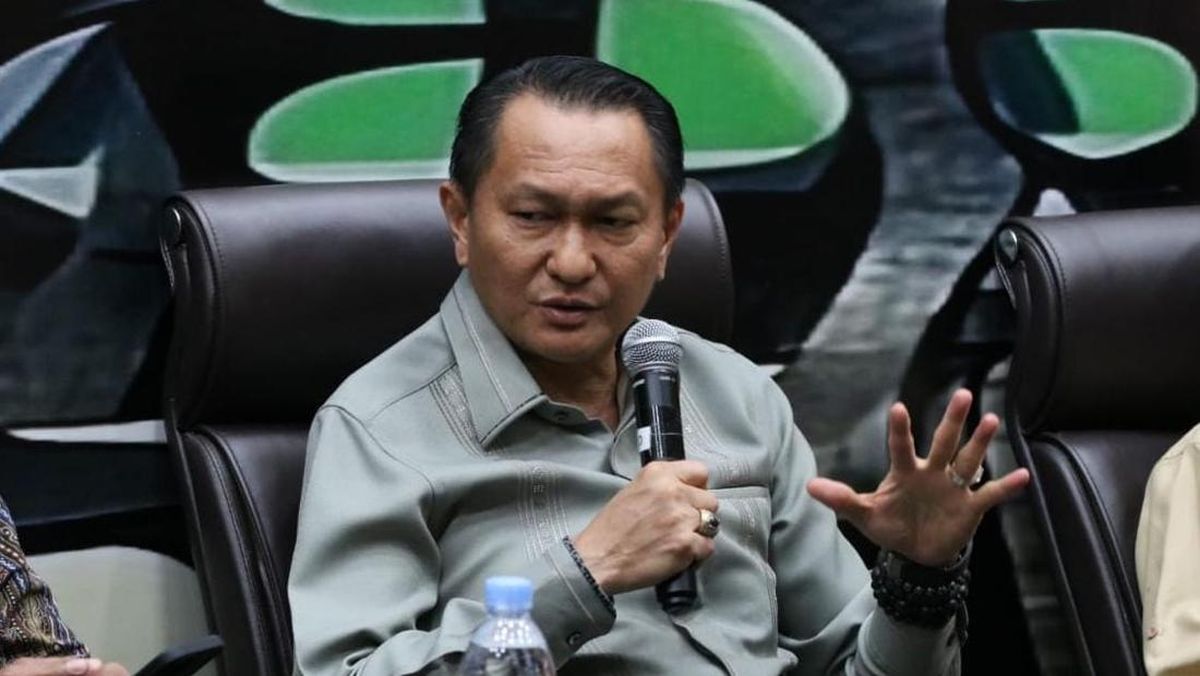
Indonesian President Prabowo has launched the implementation of Biosolar B50, a move lauded by a parliamentary committee chairman as a monumental global first. The initiative is expected to save trillions of Rupiah in foreign exchange, create jobs, and significantly reduce carbon emissions.
This article requires PRO
This article is outside the free access window or is a special report. PRO unlocks it and the full archive.
Related articles
- Indonesia's B50 Biodiesel Policy Under Scrutiny
Discussions are intensifying in Indonesia regarding the government's B50 biodiesel blending mandate. While aiming to boost domestic energy self-sufficiency and support farmers, challenges related to infrastructure and costs are also being highlighted. This policy could mark a turning point for Indonesia's energy strategy.
- Indonesia's B50 Biodiesel Mandate: Fact-Checking Claims of Foreign Exchange Savings
Indonesia has launched its 50% biodiesel (B50) mandate starting July, with the government claiming it will save foreign exchange. However, experts question these assertions, citing potential fiscal burdens and environmental risks.
- Indonesia Launches Mandatory B50 Biodiesel Program
Indonesia has officially launched its mandatory B50 biodiesel program, a blend of 50% palm oil-based biodiesel. The fuel will be offered at the same price as subsidized fuel for domestic consumption, with no price increase. However, a three-month transition period is expected for nationwide distribution.
- President Prabowo Officially Launches National Biodiesel B50 Program
Indonesian President Prabowo officially launched the national implementation of the B50 biodiesel program, effective July 1, 2026. This initiative aims to bolster energy resilience and accelerate the transition to green energy.