66% of Filipinos Favor Marcos' Assertive Stance on WPS Dispute: OCTA Survey
Politics
2026年7月10日
5
Philstar Nation

66% of Filipinos Favor Marcos' Assertive Stance on WPS Dispute: OCTA Survey

AI サマリー

A recent OCTA Research survey reveals that 66% of Filipino adults approve of President Ferdinand Marcos Jr.'s administration's 'assertive response' to China regarding the West Philippine Sea (WPS) disputes. This support is consistent across regions and socioeconomic classes nationwide.

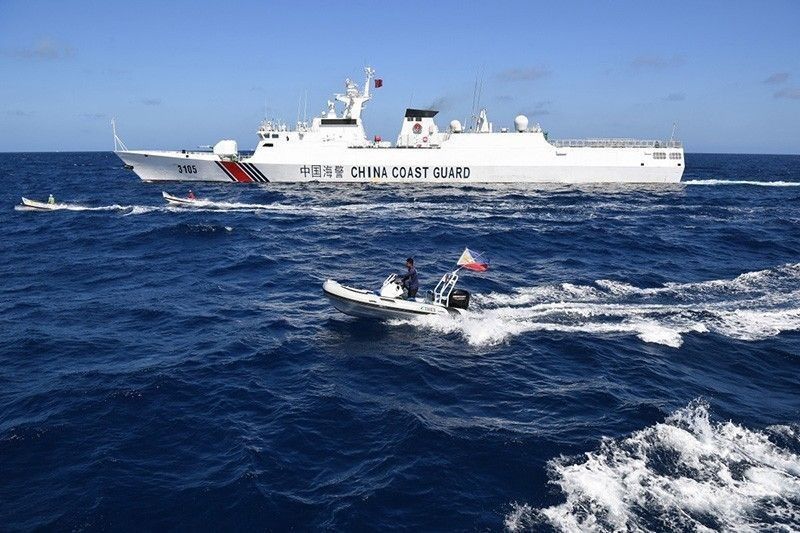
MANILA, Philippines — A majority, or 66%, of Filipino adults agree with the "assertive response" of the government under the administration of President Ferdinand Marcos Jr. to China over disputes in the West Philippine Sea, according to the latest survey by OCTA Research. The survey covered 1,200 Filipinos aged 18 and above across the country, who were interviewed face to face from April 20 to 24. The survey was non-commissioned and has a margin of error of ±3% at a 95% confidence level. The survey was released on Friday, July 10, ahead of the 10th anniversary of the landmark 2016 Permanent Court of Arbitration ruling that upheld the Philippines' territorial claims in the West Philippine Sea on July 12. The ruling invalidated China's then-nine-dash line and found that the country had violated the Philippines' sovereign rights in its Exclusive Economic Zone (EEZ). The 66% approval rating was a combination of respondents who said they "strongly agree" and "somewhat agree" with the question: “How much do you agree or disagree with the response of the current administration of Ferdinand 'Bongbong' Marcos Jr. regarding the territorial disputes in the West Philippine Sea between the Philippines and China?” On the other hand, a total of 13% said they strongly or somewhat disagreed, while 19% said they did not know or could not say. “The 66% approval figure is best read not as an isolated data point but as confirmation of an already-established pattern: Filipino public opinion has consistently and convergently favored a firmer, more assertive government posture in the West Philippine Sea,” OCTA’s report read. The survey respondents came from the National Capital Region, Balance Luzon, Visayas and Mindanao. In every region, a majority of respondents expressed agreement with Marcos' response to the West Philippine Sea dispute. The highest level of agreement was recorded in the National Capital Region at 70%. It was followed by Balance Luzon at 68%, the Visayas at 65% and Mindanao at 62%. OCTA also noted that Marcos faced the strongest criticism from Mindanao, where 19% of respondents said they opposed his administration's response. Approval ratings were also consistently high across all socioeconomic groups, with 68% of Class ABC respondents, representing the upper and middle classes, expressing agreement with Marcos' response to the West Philippine Sea dispute. Meanwhile, 67% of Class D respondents, representing the lower-middle class and 63% of those in the poorest sector expressed support. OCTA said the recent survey results reveal a nationally consistent stance that the Philippines needs to be assertive in asserting its claim over the West Philippine Sea, despite differences in the statistical breakdown by region. Citing a previous report that found most Filipinos endorse assertiveness and diplomacy as strategies for asserting territorial rights, OCTA said the recent 66% approval rating reflected this public opinion. “Read together, this indicates that support for an assertive WPS policy is nationally consistent, and that differences across regions are a function of information reach rather than divergent views on strategy,” it said.

多角的分析

経済的影響

国民の大多数がマルコス政権の西フィリピン海(WPS)における強硬姿勢を支持しているという調査結果は、フィリピン経済が直面する地政学的なリスクに対する国民の認識と、それに対する政府の対応への期待を示唆している。WPSにおける緊張の高まりは、漁業や海洋資源開発、さらには国際貿易ルートの安全保障に影響を与える可能性があり、これが経済活動に不確実性をもたらす。国民の高い支持率は、短期的な経済的影響よりも、国家主権の維持を優先する世論を反映していると考えられる。しかし、長期的に見れば、この強硬姿勢が中国との経済関係にどのような影響を与えるか、特に貿易や投資の面で注視が必要である。過去の事例では、領土紛争が経済制裁や貿易制限につながり、両国経済に打撃を与えたケースもある。

投資家心理

この調査結果は、フィリピンへの投資を検討する投資家にとって、国内の政治的安定性と国民の支持が、政府の対外政策、特に中国との関係において、ある程度の確実性をもたらす可能性を示唆している。国民の66%がマルコス政権のWPSにおける断固たる姿勢を支持していることは、国内世論が国家主権の主張を優先する傾向にあることを示しており、これが政府の政策決定に影響を与える可能性がある。しかし、投資家は、この強硬姿勢が中国との経済関係に及ぼす潜在的な悪影響、例えば貿易摩擦や投資の鈍化といったリスクも考慮する必要がある。過去には、地政学的な緊張が市場のボラティリティを高め、投資環境を悪化させた例も少なくない。したがって、投資判断においては、国民の支持と地政学的なリスク要因とのバランスを慎重に見極める必要がある。

社会的影響

西フィリピン海(WPS)紛争におけるマルコス政権の強硬姿勢に対する国民の66%という高い支持率は、フィリピン国民の国家主権と領土保全に対する強い意識を浮き彫りにしている。これは、単なる政治的な問題ではなく、漁業従事者の生活基盤や、国民全体のアイデンティティにも関わる問題である。例えば、南シナ海での中国の活動活発化は、フィリピンの漁民が伝統的な漁場にアクセスできなくなるという直接的な影響をもたらしており、彼らの生計を脅かしている。また、首都圏の70%という高い支持率は、情報へのアクセスが良い都市部で、政府の対応への理解が進んでいることを示唆する一方、ミンダナオ島での相対的に低い支持率(62%)は、地域によって問題への関心度や情報伝達に差がある可能性を示唆している。この支持の背景には、中国による一方的な行動への反発や、過去のPCA判決の正当性への信頼があると考えられる。

市民の声

国民の大多数がマルコス政権の西フィリピン海(WPS)における強硬姿勢を支持しているという調査結果は、多くのフィリピン国民が、中国による領有権主張や活動に対して、政府がより断固とした態度で臨むことを望んでいることを示している。これは、特に海洋資源への依存度が高い漁業関係者や、国家の主権が損なわれることへの懸念を持つ一般市民の声を反映していると考えられる。例えば、南シナ海での中国海警局によるフィリピン船舶への妨害行為や、海上民兵の活動は、直接的にフィリピン国民の安全や経済活動に影響を与えており、こうした現状に対する不満が、政府の強硬姿勢への支持につながっていると推測される。一方で、13%の反対意見や19%の「分からない」という回答は、紛争の長期化や、強硬姿勢がもたらす経済的・外交的なリスクに対する懸念も存在することを示唆している。

背景・歴史的文脈

西フィリピン海(WPS)を巡るフィリピンと中国の紛争は、長年にわたり両国関係の火種となってきた。特に2010年代以降、中国による人工島の建設や軍事拠点化、フィリピン漁船への妨害行為などがエスカレートし、フィリピン国民の対中感情は悪化の一途をたどった。2016年の常設仲裁裁判所(PCA)によるフィリピンの主張を全面的に認める判決は、国際法に基づいたフィリピンの正当性を示したが、中国はこの判決を事実上無視している。ドゥテルテ前政権下では、経済協力をテコに中国との関係改善を図る「親中」路線が取られたが、WPS問題における国民の不満は根強く残っていた。マルコス・ジュニア政権は、この国民感情と、国際社会からの懸念を受けて、より断固とした姿勢で臨む方針に転換したと見られている。今回の調査結果は、その政権の外交姿勢が、国内世論の支持を得ていることを裏付けるものと言える。

原文ソース

Philstar Nation

原文を読む