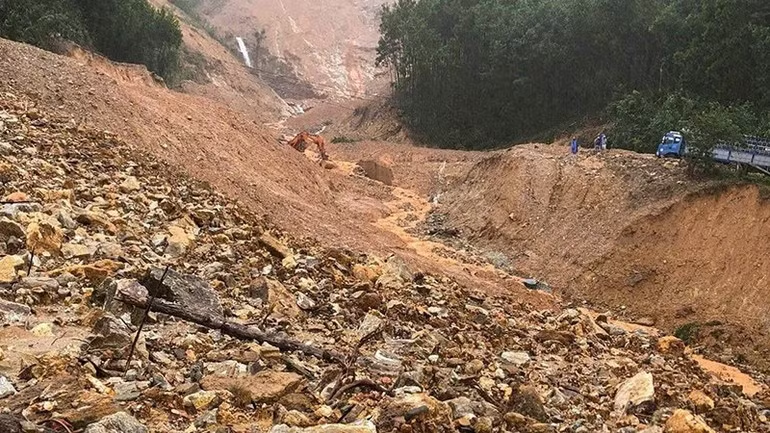
Heavy Rains Threaten Flash Floods and Landslides in Northwest Vietnam
Northwestern Vietnam, particularly Lai Châu, Điện Biên, and Sơn La provinces, faces a high risk of flash floods and landslides from heavy to very heavy rainfall expected overnight July 12th into the early morning of July 13th. Authorities are urging vigilance as some areas have already reported damage.
Heavy to very heavy rainfall is forecast for the northwestern provinces of Lai Châu, Điện Biên, and Sơn La from the night of July 12th into the early morning of July 13th. Authorities have issued warnings about the risk of flash floods on small rivers and landslides on steep slopes in numerous communes and wards across these areas. Điện Biên province has specifically identified 19 locations with a high risk of flash floods and landslides. Urgent measures are being taken to overcome landslide issues and ensure the safety of traffic on National Highway 6. In Sơn La province, police and military personnel are actively assisting residents in responding to flood and landslide threats. The economic impact of recent floods and landslides in Điện Biên is estimated at approximately 8 billion Vietnamese Dong (around USD 320,000). Vietnam's tropical monsoon climate makes it susceptible to natural disasters, particularly during the rainy season. Reports suggest an increasing trend in the frequency and severity of these events, possibly exacerbated by climate change. The nation's one-party government, while committed to economic development, also allocates resources to disaster preparedness and infrastructure resilience. The northern mountainous regions, bordering China, face heightened risks due to their geographical characteristics, making the protection of local communities a critical priority.
多角的分析
豪雨によるインフラ被害は、短期的な経済活動の停滞だけでなく、復旧・復興のための追加的な財政支出を必要とします。特に、国道6号線のような主要交通網の寸断は、物流コストの上昇や地域経済への影響を及ぼす可能性があります。ベトナム経済は輸出主導型であり、サプライチェーンの寸断は国際的な取引にも影響を与えかねません。政府は、経済成長を維持しつつ、こうした自然災害リスクへの対応策を強化する必要に迫られています。
自然災害リスクは、ベトナムへの投資、特にインフラ関連や製造業への投資において、リスク要因として考慮されるべきです。災害によるインフラ被害や操業停止は、企業の収益性に直接的な影響を与えます。投資家は、災害保険の加入状況や、企業が持つリスク管理能力、および政府の災害対応能力などを評価基準に含めることが重要です。長期的な視点では、気候変動への適応策を講じている企業やインフラへの投資が、より持続可能であると考えられます。
今回の豪雨による鉄砲水や土砂災害の危険性は、特に山岳地帯に住む住民の生活に直接的な脅威となります。ディエンビエン省で警告されている19の地域のように、避難が困難な場所では、人命救助が最優先課題となります。また、国道6号線の寸断は、地域住民の移動や物資の供給を滞らせ、生活基盤を揺るがす可能性があります。政府や地域社会は、早期警報システムの強化や、住民への避難訓練の実施など、防災対策の強化が求められています。
ディエンビエン省の住民は、鉄砲水や土砂災害の危険が高い地域に住んでいるため、常に不安を抱えています。特に、過去に被害を受けた経験のある地域では、雨が降るたびに家屋や財産への被害を心配しなければなりません。国道6号線の寸断は、通勤や通学、物資の購入といった日常的な活動に支障をきたし、生活コストの上昇にもつながる可能性があります。
背景・歴史的文脈
ベトナム北西部は、急峻な山岳地帯が広がり、熱帯モンスーン気候の影響を強く受けるため、古くから鉄砲水や土砂災害のリスクが高い地域です。特に雨季(通常5月から10月)には、集中豪雨が頻発し、インフラ被害や人命の喪失につながる事例が後を絶ちません。近年、気候変動による異常気象の増加や、一部地域での無計画な森林伐採・開発が、災害リスクをさらに高めているという指摘もあります。ベトナム政府は、経済成長を優先する中で、こうした自然災害への対応とインフラ整備のバランスを取ることが常に課題となっています。
原文ソース
Nhan Dan