General articles are free for 24 hours after publish.
El Niño Threatens Drought in 61 Philippine Provinces
The Philippine Atmospheric, Geophysical and Astronomical Services Administration (PAGASA) forecasts that the El Niño phenomenon, expected to persist until the first half of 2027, could cause drought in Camarines Sur and dry conditions/spells in 61 other provinces, raising concerns for agriculture and water resources.
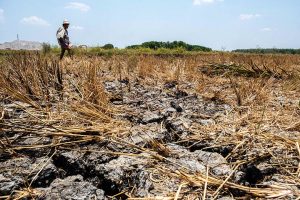
The El Niño phenomenon, which is likely to persist until the first half of 2027, is projected to cause drought conditions in Camarines Sur and dry conditions and dry spells in 61 provinces across the country, according to the Philippine Atmospheric, Geophysical and Astronomical Services Administration (PAGASA) on Wednesday. “We still forecast drought conditions in Camarines Sur, while dry conditions and dry spells will spread across 61 provinces in the country by November and will persist in parts of Visayas and Mindanao by December,” Joey H. Figuracion, PAGASA weather specialist, said in a climate outlook release in mixed English and Filipino. “Similar conditions are expected in Visayas and Mindanao by January and will even spread in larger parts of Visayas, Mindanao, as well as in Luzon by February,” he added. Of the 61 affected provinces, 44 are expected to be hit by dry conditions, and 17 areas will experience dry spells by November. In December, the number of areas experiencing dry conditions will drop to 16, but dry spells may be experienced in more areas, at 22. Meanwhile, below-normal rainfall conditions are expected in large portion of Northern Luzon and some parts of Southern Luzon and Southern Mindanao by September. “This scenario is expected to affect more areas in the country by October and November,” Mr. Figuracion said. He added that by December, more rainfall is expected in large parts of Luzon, but below-normal rainfall is still expected in Visayas and Mindanao until February. Large parts of the country are likely to experience warmer-than-usual temperatures in the next six months. During the same period, PAGASA is also expecting between five and eight tropical cyclones that will enter the Philippine Area of Responsibility. The drought and dry conditions brought by El Niño could impact agricultural production in the Philippines, particularly affecting the harvest of staple crops like rice and corn. Water scarcity may also strain drinking water supplies and irrigation, leading to widespread implications for daily life. Given that agriculture is a significant economic pillar and remittances from overseas Filipino Workers are crucial, the economic repercussions are also considerable.
Original source
BusinessWorld Nation