DepEd Reaffirms Ban on Student Gadget Use During Class Hours
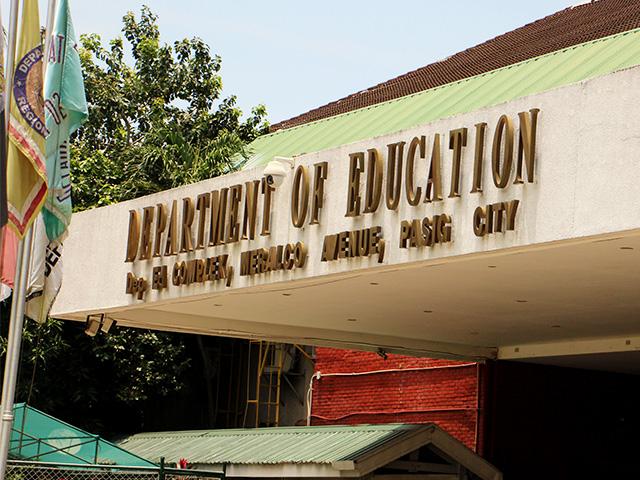
The Department of Education (DepEd) has reiterated its policy prohibiting students from using gadgets during class hours, except for educational purposes or emergencies, urging schools to strictly enforce it. This aims to promote the welfare, safety, security, and protection of learners and school personnel.
The Department of Education (DepEd) has reiterated its policy prohibiting students from using gadgets during class hours, except for educational purposes or emergencies, urging schools to strictly enforce it. This directive aims to promote the welfare, safety, security, and protection of learners and school personnel. In a memorandum dated June 30, the Education Department reaffirmed the implementation of DepEd Order No. 006, s. 2026, known as the Guidelines on Ensuring a Safe and Motivating Learning Environment (ESMLE). This policy explicitly forbids both learners and school personnel from using portable electronic devices during instructional hours. However, the policy allows for exceptions in specific circumstances. These include academic purposes, such as accessing educational platforms, digital resources, or participating in authorized online collaborative activities. Exemptions are also granted during emergencies, such as natural disasters, medical crises, and other immediate safety concerns. The order further prohibits the use of social media, online games, content creation, and vlogging during class hours. DepEd stated that the memorandum was issued to reinforce existing policies and enhance compliance across all educational institutions. The department also called upon parents, local government units, law enforcement agencies, government bodies, non-governmental organizations, and other stakeholders to collaborate in promoting responsible internet and gadget usage among students. "A whole-of-society approach is necessary in order to properly guide learners," the memorandum emphasized. Furthermore, DepEd directed all regional offices, schools division offices, and school heads to intensify information and advocacy campaigns. The goal is to ensure wider dissemination of the policy and encourage its strict implementation. The memorandum was signed by Undersecretary and Chief of Staff Fatima Lipp D. Panontongan, Undersecretary for Legal and Legislative Affairs Filemon Ray L. Javier, and Undersecretary for Governance and Operations Malcolm S. Garma.
多角的分析
授業中のガジェット使用禁止は、教育の質向上を通じて長期的な人的資本の蓄積に寄与する可能性がある。生徒が授業に集中することで学習効果が高まり、将来的な生産性向上につながることが期待される。これは、フィリピン経済がサービス業や知識集約型産業への転換を進める上で重要な要素となる。一方で、デジタルリソースへのアクセスが制限されることで、情報格差が拡大する懸念もあり、経済格差の固定化につながる可能性も指摘される。特に、家庭の経済状況によって学習機会に差が生じる場合、教育投資の効果が一部の層に限定されるリスクがある。
この政策は、教育分野におけるデジタルツールの導入を促進するBPO(ビジネス・プロセス・アウトソーシング)産業やEdTech(教育テクノロジー)関連企業にとって、短期的な事業機会の縮小を意味する可能性がある。しかし、長期的には、教育の質の向上は、より高度なスキルを持つ労働力の育成につながり、フィリピンの競争力強化に貢献するため、間接的に投資環境の改善に寄与すると考えられる。投資家は、この政策が教育格差を拡大させないか、また、代替となる教育支援策がどのように展開されるかに注視する必要がある。
授業中のガジェット使用禁止は、生徒の集中力向上や対面でのコミュニケーション促進を意図しているが、一方で、情報へのアクセス手段が限られる生徒や、オンライン学習ツールを活用して学習効果を高めていた生徒にとっては、学習機会の不均等を招く可能性がある。特に、地方や経済的に恵まれない家庭の生徒は、自宅での学習リソースが限られている場合が多く、学校でのガジェット利用が唯一のアクセス手段となっているケースも考えられる。また、SNSやオンラインゲームへの依存といった問題行動の抑制には効果が期待されるものの、デジタルリテラシー教育の機会が失われることへの懸念も生じる。
この政策は、多くの親にとって、子供たちが授業中に集中し、学業に専念することを期待させるものとなるだろう。しかし、一部の親からは、子供たちが最新の学習リソースにアクセスする機会を奪われるのではないか、あるいは、自宅での学習にガジェットが不可欠となっている現状にそぐわないのではないか、といった懸念の声も上がる可能性がある。特に、子供の学習状況を把握するためにガジェットを通じたコミュニケーションを必要としている家庭では、新たな課題が生じるかもしれない。また、学校が提供する教育の質が、ガジェット利用の有無によって左右されることへの不満も生じうる。
背景・歴史的文脈
フィリピンでは、近年、教育分野におけるテクノロジーの活用が進められてきた。特にCOVID-19パンデミック以降、オンライン学習への移行が加速し、多くの学校で生徒のデジタルデバイス利用が推奨または必要とされた。しかし、その一方で、家庭の経済状況によるデジタルデバイドの拡大や、授業中の不適切なガジェット使用による学習への支障も問題視されていた。今回のDepEd Order No. 006, s. 2026は、こうした状況を踏まえ、学習環境の質を向上させることを目的として、授業中のガジェット使用に対する規制を強化するものである。これは、教育の公平性と質のバランスを取りながら、デジタル時代に対応できる人材育成を目指すフィリピン政府の教育政策の一環と言える。
原文ソース
GMA News Philippines