General articles are free for 24 hours after publish.
Abra integrates indigenous knowledge into curriculum, preserving cultural heritage
In Abra, Philippines, a school is integrating indigenous knowledge and practices into its senior high school curriculum. Through hands-on learning in natural dyeing and weaving, the initiative aims to preserve cultural heritage that is slowly fading.
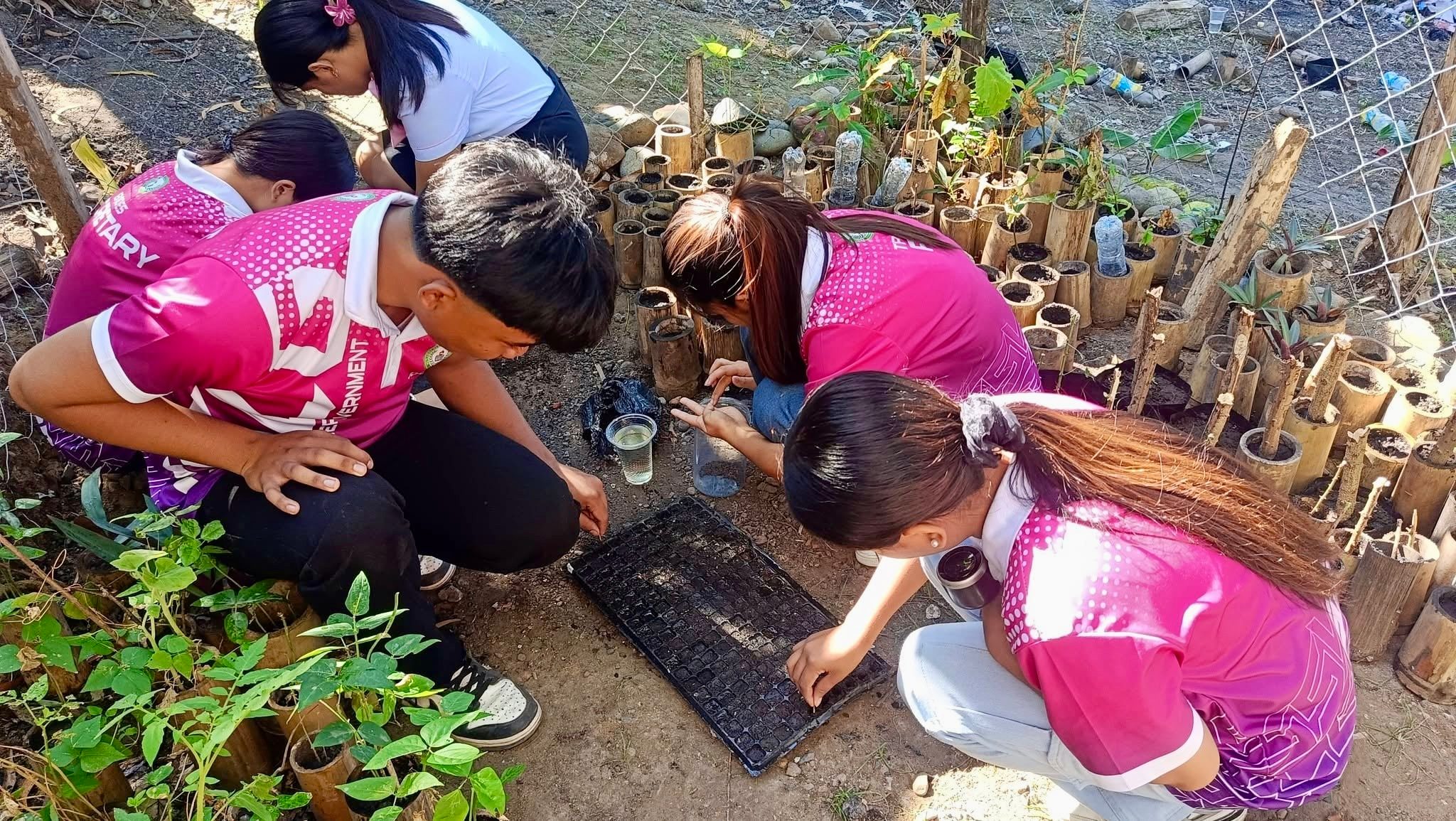
Students at Peñarrubia Integrated School in Abra, Philippines, are learning chemistry from leaves, culture from thread, and indigenous history with their own hands. Natural Dyeing is now part of the senior high school curriculum, aiming to document, teach, and sustain local knowledge that educators feared was slowly fading. The Indigenous Knowledge Systems and Practices (IKSP) curriculum was developed under the initiative of Adelaida Bogayao, education program supervisor and Indigenous Peoples Education focal person of the Schools Division Office of Abra. Sherwin Zapatero, a master teacher, explained, "Many indigenous traditions and practices were steadily fading from everyday life. The aim was to help preserve and pass on this cultural heritage to younger generations." Peñarrubia Integrated School was chosen as the pilot site due to its established senior high school program. Before lessons reached students, teachers and other personnel went back to the community. Four research teams were formed to document natural dye sources, traditional dyeing processes, weaving patterns and designs, and indigenous embroidery. The research and curriculum development were funded under DepEd’s Indigenous Peoples Education Program. "The findings from these community-based studies became the cornerstone of the curriculum," Zapatero said. Teachers then translated the documented knowledge into learning competencies, lessons, and instructional materials aligned with DepEd standards. The curriculum underwent technical review, validation, and quality assurance before being approved by the DepEd Cordillera Administrative Region on January 3, 2025. The municipal government later joined the effort. The Sangguniang Bayan authorized a memorandum of agreement between the municipality and DepEd Abra through Peñarrubia Integrated School. Under the agreement, the municipality committed support for an LGU-funded teacher, as well as tools, equipment, and materials needed for the hands-on electives. Zapatero said the total commitment amounted to P288,940, including three years of salary for the designated teacher. For a subject built around making things by hand, that support matters. Students cannot learn dyeing, weaving, and embroidery from lectures alone. Zapatero underwent specialized training in natural dyeing through the Department of Science and Technology Philippine Textile Research Institute in partnership with the University of Abra, allowing him to teach both the cultural and scientific sides of the process. Students learn which plant materials can produce color and how these are prepared, observing how extraction, measurement, and treatment affect the final shade. In class and during outdoor learning sessions, plant materials are sorted, cut, weighed, and processed before being used on fibers. The process gives students a practical way of seeing how indigenous knowledge and science meet. They are not only told that certain plants can produce dye; they test them, compare results, and work with the materials themselves. The next stage of the curriculum will move from dyeing to textile making. Loom Weaving and Indigenous Embroidery are scheduled for implementation in the third term of the 2026-2027 school year for Grade 12 learners who previously completed Natural Dyeing in Grade 11. "This progression allows students to deepen their understanding of indigenous craftsmanship while developing practical skills that contribute to the preservation and continued practice of Abra’s rich cultural traditions," Zapatero said. Bringing indigenous knowledge into formal education also comes with responsibility. The designs and practices being taught carry histories, meanings, and identities rooted in communities. The knowledge did not begin in school; it came from people who practiced it and passed it on long before it became part of a curriculum. That makes continued engagement with the community important as the program grows. Current school principal Maria Lorena Bisares is overseeing the continued implementation and development of the specialized curriculum. For the 28 students in the first batch, the lessons are practical, but they are also learning something harder to measure: the knowledge behind those processes came from communities that practiced and passed them on across generations. Peñarrubia Integrated School is now trying to make sure another generation gets the chance to learn them.
Original source
Rappler Philippines